
Bankruptcy for Payday Loan Debt in Memphis
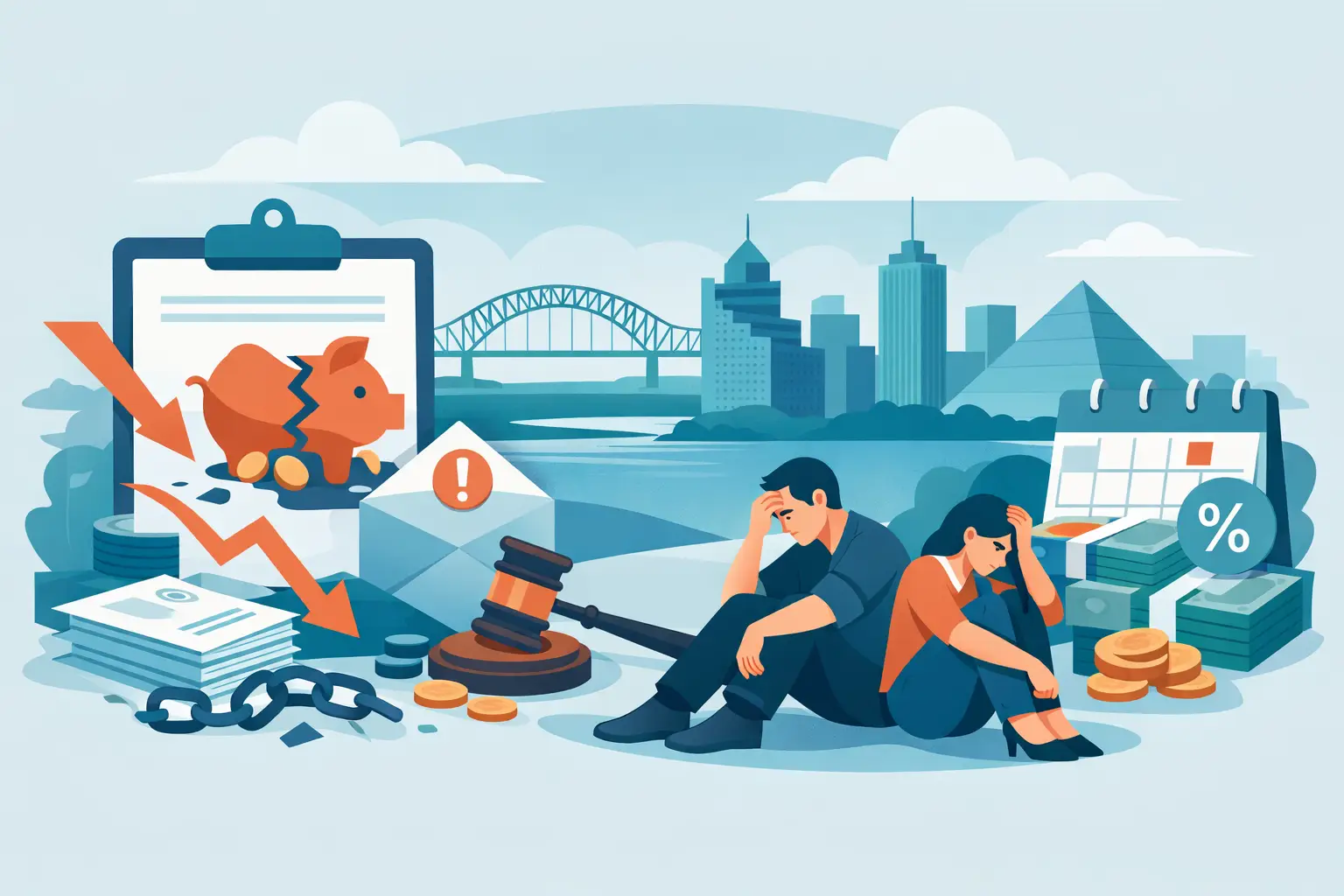
When payday lenders are pulling money out of your account, calling nonstop, or threatening lawsuits over a loan that was supposed to help for two weeks, the problem is no longer small. Bankruptcy for payday loan debt is often the fastest real fix when the cycle has gotten out of control and you cannot catch up.
For many people in Memphis, payday loans start as a short-term patch for rent, utilities, gas, or groceries. Then one loan becomes two. Fees pile up. A title loan or credit card gets added to cover the gap. Before long, you are working hard and still falling behind. That is exactly the kind of debt pressure bankruptcy was designed to stop.
Can bankruptcy for payday loan debt really help?
Yes. In many cases, payday loans are unsecured debts. That matters because unsecured debts are often dischargeable in bankruptcy. If you qualify for Chapter 7, you may be able to wipe out payday loan balances entirely. If Chapter 13 is the better fit, you may be able to roll that debt into a court-supervised repayment plan and stop the constant pressure from lenders.
What people usually want to know is whether bankruptcy will stop the calls and collection threats now, not six months from now. The answer is that filing bankruptcy triggers the automatic stay. That is a federal court order that stops most collection activity right away. It can stop lawsuits, wage garnishments, bank levies, and collection calls. For someone stuck in repeat payday borrowing, that breathing room is often the first real chance to reset.
Why payday loan debt gets so hard to escape
Payday lenders build their business around urgency. The loan is easy to get, but expensive to keep. A borrower writes a check, gives electronic access to a bank account, or agrees to automatic withdrawals. If the full balance is due before the next paycheck and there is not enough money left after regular bills, the borrower is pushed into renewing, refinancing, or taking out another loan.
That is how a few hundred dollars turns into a much larger problem. The original loan may not look overwhelming by itself, but the fees and repeated rollovers drain cash that should be going to basic living expenses. Many clients are also juggling medical bills, credit cards, repossession threats, or mortgage arrears at the same time. Payday loan debt rarely stays isolated for long.
There is also a legal reality people miss. Once a lender decides to sue, the debt can become more dangerous. A judgment may lead to garnishment or other collection action, depending on the facts of the case and applicable law. Waiting too long can make an already bad situation harder and more expensive to fix.
Chapter 7 and payday loan debt
Chapter 7 is usually the most direct form of relief if your income and overall financial picture qualify. In a Chapter 7 case, many unsecured debts can be discharged, including payday loans. That means you are no longer legally required to pay those discharged balances.
This option makes sense for people who do not have enough income to fund a repayment plan and need a clean break. If you are behind on multiple bills, using one debt to pay another, and have no realistic path to catch up, Chapter 7 may be the strongest answer.
There are trade-offs. Chapter 7 does not give you a structured way to catch up on missed mortgage payments or car payments over time. It is powerful, but it is not a cure for every debt problem. That is why a real case review matters. The right chapter depends on what you own, what you earn, and what kind of pressure you are facing right now.
Chapter 13 and payday loan debt
Chapter 13 is often the better fit when payday loan debt is part of a bigger picture. Maybe you are trying to stop foreclosure. Maybe your car is at risk. Maybe your income is steady, but the monthly debt load is impossible.
In Chapter 13, you make one court-approved monthly payment based on your budget and legal requirements. Payday loans are usually treated as unsecured debts inside that plan. Instead of dealing with multiple lenders and impossible due dates, you deal with one structured payment. At the end of a successful Chapter 13 case, any remaining dischargeable unsecured debt may be wiped out.
For a lot of working families, that structure is what makes the difference. It replaces chaos with a plan. It can also stop wage garnishments and give you a way to protect property that might not be as safe in Chapter 7.
What bankruptcy stops right away
People dealing with payday lenders are usually not looking for theory. They want to know what changes once a case is filed. In most situations, bankruptcy can stop collection calls, collection letters, lawsuits, bank account pressure, and wage garnishments. It can also stop automatic withdrawals if the lender is trying to collect on a dischargeable debt, though the practical steps depend on the timing and the facts.
That immediate protection matters because payday debt is aggressive debt. These lenders do not usually wait patiently while you get back on your feet. If your account is being hit repeatedly or your paycheck is already stretched thin, every day matters.
When bankruptcy may be better than debt settlement
Some people look at debt settlement first because it sounds less serious. Sometimes it helps. Often, it does not go far enough.
Debt settlement usually requires cash on hand to offer lump sums or fund negotiations. Most people trapped in payday loans do not have that cash. During settlement efforts, collection calls may continue, lawsuits can still happen, and there is no automatic stay protecting you. Bankruptcy, by contrast, creates immediate legal protection.
There is also the issue of scope. If you have payday loans plus credit card debt, medical bills, repossession issues, or garnishments, settling one account at a time may not solve the underlying problem. Bankruptcy addresses the full debt picture, not just the loudest creditor.
Common concerns about filing over payday loans
A lot of people hesitate because they think bankruptcy is too drastic for payday loan debt. That is usually the wrong way to look at it. The real question is not whether the original loan amount was small. The real question is whether the total debt situation has become unmanageable.
Another concern is embarrassment. People assume they should have handled it on their own. But payday lenders count on that thinking. They profit when borrowers keep trying to patch over a broken budget with more expensive debt. Bankruptcy is a legal tool, not a personal failure.
Some borrowers also worry that taking a payday loan shortly before filing will create problems. Sometimes timing does matter. Recent borrowing can raise questions in any bankruptcy case, especially if a creditor argues the debt was incurred without intent or ability to repay. That does not automatically mean you cannot file, but it is one more reason to speak with an experienced bankruptcy lawyer before making another loan decision.
Why local legal advice matters in Memphis
Bankruptcy is federal law, but your case still moves through the local court system. Procedures, trustee expectations, and practical case handling matter. A lawyer who regularly works in the Western District of Tennessee Bankruptcy Court can often spot issues early and guide you toward the chapter that gives you the best chance at meaningful relief.
At Arthur Ray Law Offices, we have seen how payday and title loan debt traps Memphis families. Usually, the payday loan is not the only problem. It is part of a larger squeeze involving housing costs, car trouble, medical expenses, or reduced income. The right bankruptcy filing can do more than stop one lender. It can stop the whole downward slide.
What to do before the situation gets worse
If you are borrowing from one lender to pay another, missing regular bills so you can cover loan renewals, or worrying that your bank account will be emptied before rent is due, do not wait for the next threat letter. The sooner you review your options, the more control you usually have.
Bring together your loan papers, recent pay stubs, collection notices, and a list of your monthly expenses. A bankruptcy consultation should tell you clearly whether Chapter 7 or Chapter 13 makes more sense, what happens to your payday loans, and how quickly the pressure can be stopped.
Relief does not begin when life gets less stressful on its own. It begins when you stop trying to outrun debt that was designed to keep you behind.
Written and legally reviewed by:


We are a debt relief agency. Our Bankruptcy Lawyers in Memphis, TN help people file for bankruptcy under the bankruptcy code.
*For those who qualify under federal law.