
Bankruptcy vs Debt Consolidation: Which Helps?
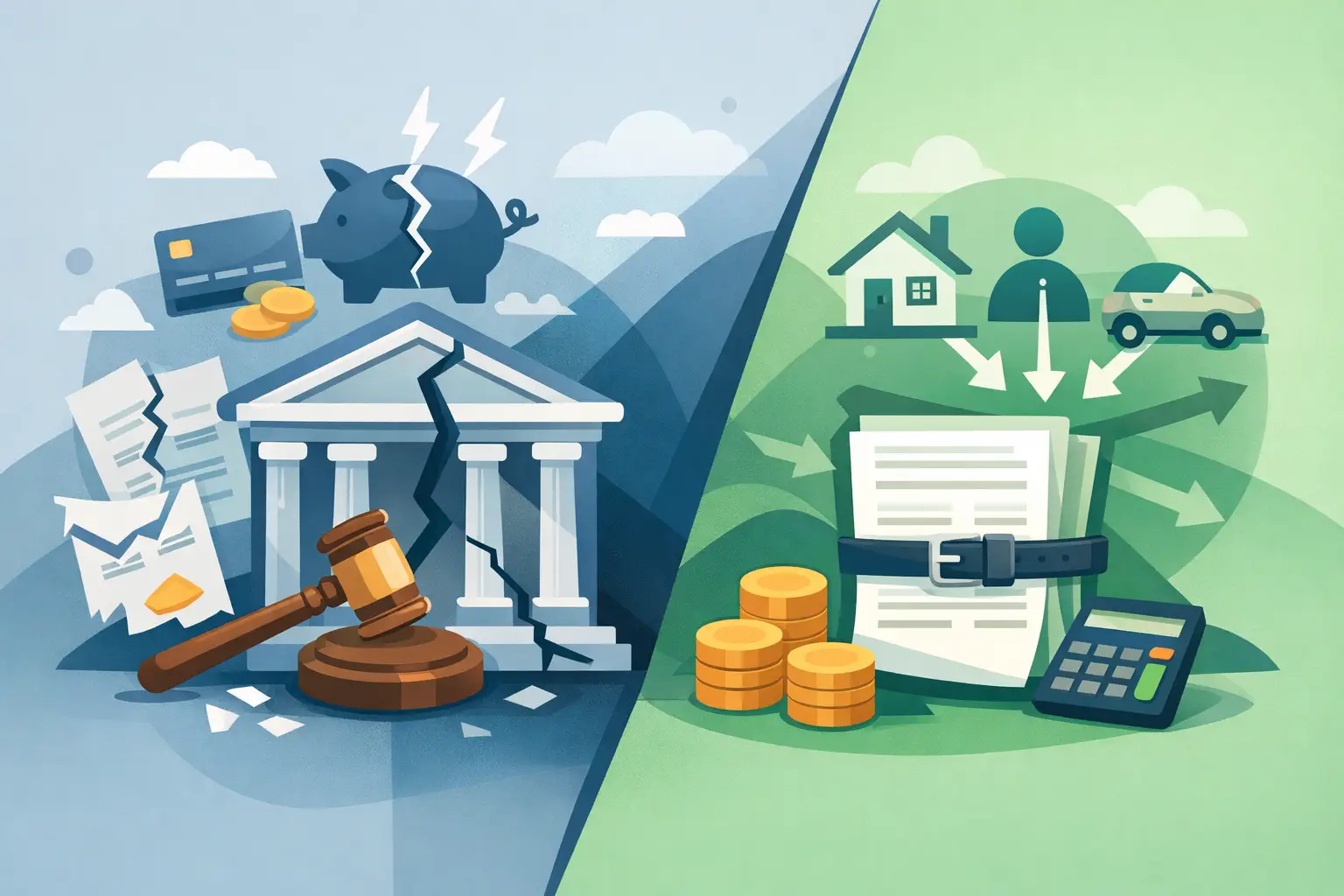
If your paycheck is getting hit by garnishment, your mortgage is behind, or credit cards keep growing no matter how much you pay, the question is not academic. Bankruptcy vs debt consolidation is a real-world choice that can affect whether you keep your home, stop a lawsuit, or finally get room to breathe. For many people in Memphis, the right option comes down to one thing – which one actually solves the problem instead of stretching it out.
Bankruptcy vs debt consolidation: the basic difference
Debt consolidation usually means combining multiple debts into one new payment. That might happen through a consolidation loan, a balance transfer, a debt management plan, or a home equity loan. The goal is to simplify payments and, in the best case, reduce interest.
Bankruptcy is a legal process in federal court that can eliminate certain debts or create a structured plan to catch up on others. Chapter 7 can wipe out many unsecured debts, including credit card debt and medical bills. Chapter 13 can stop foreclosure, stop garnishment, and let you repay certain debts over time under court protection.
That difference matters. Debt consolidation is still debt repayment. Bankruptcy is legal debt relief.
When debt consolidation works well
Debt consolidation can be a reasonable option if your debt problem is serious but still manageable. If you have steady income, your accounts are not too far behind, and you can realistically afford a single monthly payment, consolidation may help you regain control.
It tends to work best when most of the problem is high interest rather than a complete income shortfall. Someone with good credit may qualify for a lower-rate loan and save money over time. Someone with fewer accounts and no immediate legal threats may also benefit from a simpler payment structure.
But this is where many people get trapped. Consolidation only helps if the payment is truly affordable and the debt load is not already beyond what your income can support. If you are using payday loans to cover groceries, borrowing from one card to pay another, or choosing between the car note and the light bill, consolidation often delays the real fix.
When debt consolidation falls short
The biggest problem with debt consolidation is that it does not have much power against aggressive creditors. It generally does not stop a foreclosure. It does not automatically stop a garnishment. It does not erase unsecured debt. And if your credit has already dropped, the so-called consolidation options available to you may come with high interest, long terms, or require collateral.
That last part is especially dangerous. Some people roll credit card debt into a home equity loan or secure a consolidation loan with property. They take debt that might have been dischargeable later and turn it into debt tied to an asset they cannot afford to lose.
There is also the math problem. If your budget is already upside down, one combined payment is still a payment you may not be able to make. Missing that new payment can leave you in worse shape than before.
When bankruptcy makes more sense
Bankruptcy is often the stronger option when the debt is not just inconvenient but overwhelming. If you are facing foreclosure, repossession, wage garnishment, collection lawsuits, constant calls, or a pile of unsecured debt you have no realistic path to repay, bankruptcy may give you relief that consolidation simply cannot.
Chapter 7 is often the fastest path for people with heavy credit card debt, medical debt, payday loans, and old personal loans. In many cases, those debts can be discharged. That means they are legally wiped out.
Chapter 13 is different. It is often the better fit if you are behind on your house payment, need time to catch up on a car loan, or have income that keeps you from qualifying for Chapter 7. Chapter 13 can stop foreclosure immediately and let you spread arrears over a court-approved repayment plan.
For someone in crisis, timing matters. Bankruptcy can trigger the automatic stay, a powerful legal protection that stops most collection activity right away. That can mean an immediate stop to garnishments, lawsuits, bank levies, repossessions, and foreclosure actions.
Bankruptcy vs debt consolidation for credit
A lot of people assume debt consolidation is always better for credit and bankruptcy is always worse. Real life is more complicated.
If you qualify for a good consolidation loan and make every payment on time, it may help your credit over time. But many people seeking consolidation already have late payments, maxed-out cards, charge-offs, or collection accounts. Their credit is already damaged. In that situation, consolidation may not protect a score nearly as much as they hope.
Bankruptcy does appear on your credit report, and no honest lawyer should pretend otherwise. But if your credit is already falling because of missed payments, lawsuits, and high balances, bankruptcy can sometimes become the turning point where rebuilding actually starts. Eliminating debt can improve your debt-to-income picture and end the ongoing damage caused by delinquent accounts.
The right question is not just, Which option looks better on paper? It is, Which option stops the bleeding and gives you a realistic chance to recover?
What about your home, car, and other property?
This is where people need case-specific advice, not guesswork.
Some choose debt consolidation because they are afraid bankruptcy means losing everything. That fear keeps a lot of good people stuck. In reality, many bankruptcy cases protect essential property through exemptions, and Chapter 13 is specifically used by many homeowners to stop foreclosure and keep their homes.
Debt consolidation can protect assets too, but only if the plan is affordable and the creditor pressure is still manageable. If you are already behind on secured debts, a consolidation loan may not solve the immediate threat. In some cases, it can add risk by putting more property on the line.
The answer depends on the type of debt, the value of your assets, your income, and how far behind you are. That is why local legal advice matters.
The Tennessee reality: local pressure changes the answer
In this area, many people do not come in because they want a theory lesson on debt. They come in because the sale date is getting close, wages are being garnished, or the car is at risk. In those situations, bankruptcy is often not just one option among many. It may be the only option with the legal power to stop the immediate damage.
A debt management plan or consolidation loan may help someone who is early in the problem. It is much less helpful when the crisis is already active. Court deadlines, foreclosure timelines, and garnishment orders do not wait for a lender to approve a loan.
That is one reason many people who first try consolidation later end up filing anyway. They spend months sending money into a program that never truly catches them up, while the underlying problem gets worse.
How to decide honestly
A simple test helps. Ask yourself whether you need lower interest or actual legal protection.
If your debt is current, your income is stable, and a reduced rate would make the payment workable, consolidation may be worth exploring. If you are being sued, threatened with foreclosure, hit with garnishment, or drowning in unsecured debt with no real repayment path, bankruptcy deserves serious attention.
You should also look at the total cost, not just the monthly payment. A consolidation plan can stretch repayment over years and leave you paying much more overall. Bankruptcy has costs too, but for many families it ends years of debt pressure far sooner.
At Arthur Ray Law Offices, we talk to people every day who waited too long because they thought bankruptcy meant failure. It does not. It is a legal tool designed for people who need real relief, and in the right case it can protect your paycheck, your home, and your peace of mind faster than any consolidation plan ever could.
The best choice is the one that fixes the actual problem
There is nothing wrong with wanting to avoid bankruptcy. But there is a big difference between avoiding bankruptcy because you have a better option and avoiding it because you are scared of the word. If debt consolidation gives you a true path forward, that is worth considering. If it only rearranges debt you cannot afford, it is probably the wrong tool.
When bills have become a crisis, clear answers matter more than false comfort. The sooner you look at the numbers, the deadlines, and the legal risks honestly, the sooner you can choose the option that gives you real relief.
Written and legally reviewed by:


We are a debt relief agency. Our Bankruptcy Lawyers in Memphis, TN help people file for bankruptcy under the bankruptcy code.
*For those who qualify under federal law.