
Can Bankruptcy Stop Creditor Harassment?
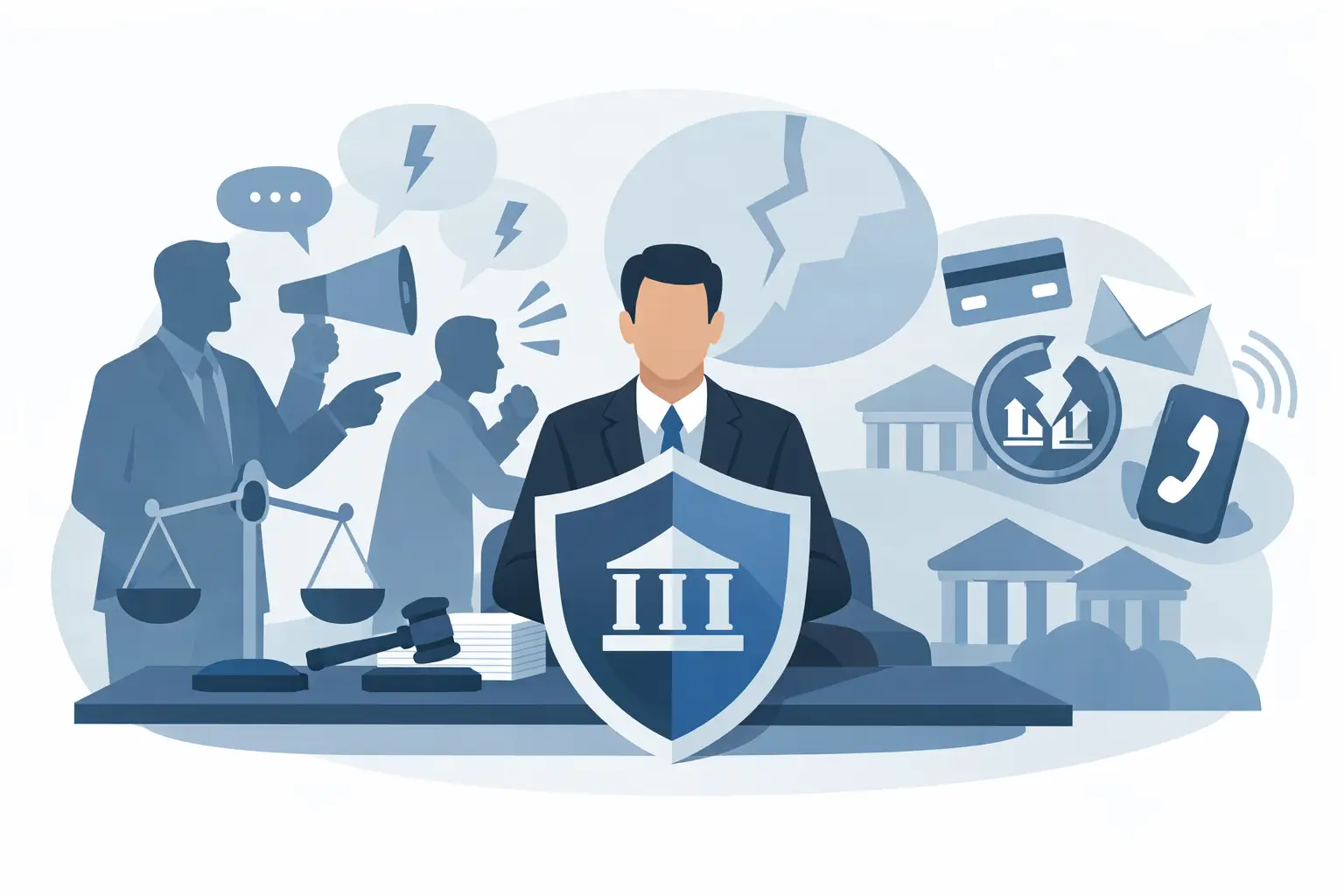
When your phone will not stop ringing, your mailbox is full of collection letters, and every paycheck feels threatened, the question becomes very real: can bankruptcy stop creditor harassment? In many cases, yes – and it can do it faster than people expect. For many Memphis families, bankruptcy is not just about wiping out debt. It is about getting some peace back.
Creditors count on delay. They count on people feeling embarrassed, overwhelmed, or unsure of their rights. Once you understand what bankruptcy actually does, the constant pressure starts to look a lot less powerful.
Can bankruptcy stop creditor harassment right away?
In many situations, filing bankruptcy triggers something called the automatic stay. This is a federal court order that goes into effect as soon as your case is filed. It tells most creditors they must stop collection activity.
That usually means no more collection calls, no more demand letters, no new lawsuits, no wage garnishments moving forward, and no foreclosure or repossession activity without court permission. If a creditor knows about your bankruptcy and keeps trying to collect anyway, that can become a serious legal problem for them.
This is one of the biggest reasons people file. They are not just trying to deal with debt someday. They need the pressure to stop now.
What creditor harassment can bankruptcy stop?
Bankruptcy can stop a wide range of aggressive collection actions, but the exact result depends on the kind of debt, the stage of collection, and whether you file Chapter 7 or Chapter 13.
Collection calls and letters
Once your case is filed, creditors and collection agencies generally have to stop contacting you to collect a debt. That includes repeated phone calls to your home or cell phone, collection notices, and other direct demands for payment.
For people who have been dodging calls for months, this alone can feel like a major turning point.
Wage garnishments
If your wages are being garnished, bankruptcy can often stop the garnishment going forward. Timing matters here. Money already taken out before the filing date may not automatically come back, although in some situations part of it may be recoverable. The key point is that bankruptcy can stop future garnishment quickly once the case is filed.
Lawsuits and judgments
If a creditor has sued you or is about to sue, bankruptcy usually stops that case in its tracks. If a judgment has already been entered, bankruptcy may still stop further collection efforts tied to that judgment, such as garnishment or bank account levies.
A judgment is serious, but it does not always mean you are out of options.
Foreclosure
If you are behind on your mortgage, bankruptcy may stop a foreclosure sale. In Chapter 13, it can also give you time to catch up on missed payments through a court-approved repayment plan. In Chapter 7, the stay can delay foreclosure, but it usually does not create a long-term cure for mortgage arrears.
That difference matters. If keeping the home is your goal, the right chapter matters as much as filing itself.
Repossession
Bankruptcy can stop a vehicle repossession if the car has not yet been sold and the case is filed in time. In Chapter 13, it may also be possible to catch up on missed car payments through a repayment plan. If the lender has already taken the vehicle, timing becomes critical.
The earlier you act, the more options you usually have.
What bankruptcy does not always stop
This is where honest legal advice matters. Bankruptcy is powerful, but it is not magic, and it does not erase every kind of financial problem.
Criminal fines, child support, alimony, and many recent tax debts are treated differently. Actions involving domestic support obligations may continue despite a bankruptcy filing. Some debts are not discharged at all, and some creditors can ask the court for permission to keep pursuing collateral like a house or car.
Also, if a creditor does not know you filed, they may keep contacting you until they receive notice. That does not always mean they are violating the law on purpose. It may just mean the timing crossed. Usually, once notice is received, the contact stops.
Chapter 7 vs. Chapter 13 for stopping harassment
Both Chapter 7 and Chapter 13 can stop creditor pressure through the automatic stay, but they solve debt problems differently.
Chapter 7
Chapter 7 is often the faster option for people with overwhelming unsecured debt like credit cards, medical bills, payday loans, and old personal loans. It can stop collection activity quickly and, in many cases, discharge those debts entirely within a few months.
If your main problem is relentless collection on unsecured debt and you qualify for Chapter 7, it can be a clean and effective answer.
Chapter 13
Chapter 13 is often the better fit when you need time to catch up on secured debts, especially mortgage arrears or car payments. It still stops creditor harassment when filed, but it also gives you a structured way to repay some debt over time.
For someone facing foreclosure in Memphis, Chapter 13 may do more than stop the calls. It may help save the house.
Why timing matters more than most people realize
A lot of people wait too long because they are hoping the calls will slow down, the lawsuit will not be filed, or the garnishment will somehow work itself out. That usually does not happen.
Collection pressure tends to escalate. A creditor may start with letters, then move to calls, then file suit, then garnish wages or push a foreclosure or repossession forward. The sooner you get legal advice, the more room there is to protect your income and property.
That does not mean everyone should file bankruptcy immediately. It does mean you should not guess. A short consultation can tell you whether bankruptcy is the right move, which chapter fits, and how quickly action needs to be taken.
What to do if creditors keep contacting you after filing
If you have already filed bankruptcy and creditors are still calling, sending bills, or threatening collection, do not assume that is normal. First, make sure they have your bankruptcy case information. Sometimes notice has not reached the right department yet.
If the contact continues after they know about the filing, tell your attorney right away. Creditors that violate the automatic stay can face consequences. You do not have to fight that battle alone.
Keep records. Save voicemails, letters, text messages, and any court papers. The details matter.
Local experience matters in urgent debt cases
Bankruptcy is federal law, but filing strategy is never one-size-fits-all. Deadlines, local procedures, and practical courtroom experience matter when you are trying to stop a garnishment, foreclosure, or repossession before it gets worse.
That is why many people want a lawyer who knows the Western District of Tennessee Bankruptcy Court and has handled these situations for decades. At Arthur Ray Law Offices, we focus on practical relief. We look at what is happening right now – the calls, the missed house payment, the wage deduction, the lawsuit threat – and we map out the fastest legal way to stop the damage.
For many clients, the biggest relief is not abstract. It is hearing that they may be able to stop the harassment, protect a paycheck, or get a real plan in place without needing money upfront just to find out their options.
So, can bankruptcy stop creditor harassment?
Yes, in many cases it can, and it often works immediately once filed. But the better question is whether bankruptcy is the right tool for your specific problem. If the real threat is a garnishment, foreclosure, repossession, or nonstop collection pressure, the answer may depend on timing, the type of debt, and whether Chapter 7 or Chapter 13 gives you the stronger result.
You do not need to keep absorbing the pressure while hoping creditors will back off on their own. When the law gives you a way to make them stop, peace usually starts with taking action.
Written and legally reviewed by:


We are a debt relief agency. Our Bankruptcy Lawyers in Memphis, TN help people file for bankruptcy under the bankruptcy code.
*For those who qualify under federal law.