
Can Bankruptcy Stop Wage Garnishment?
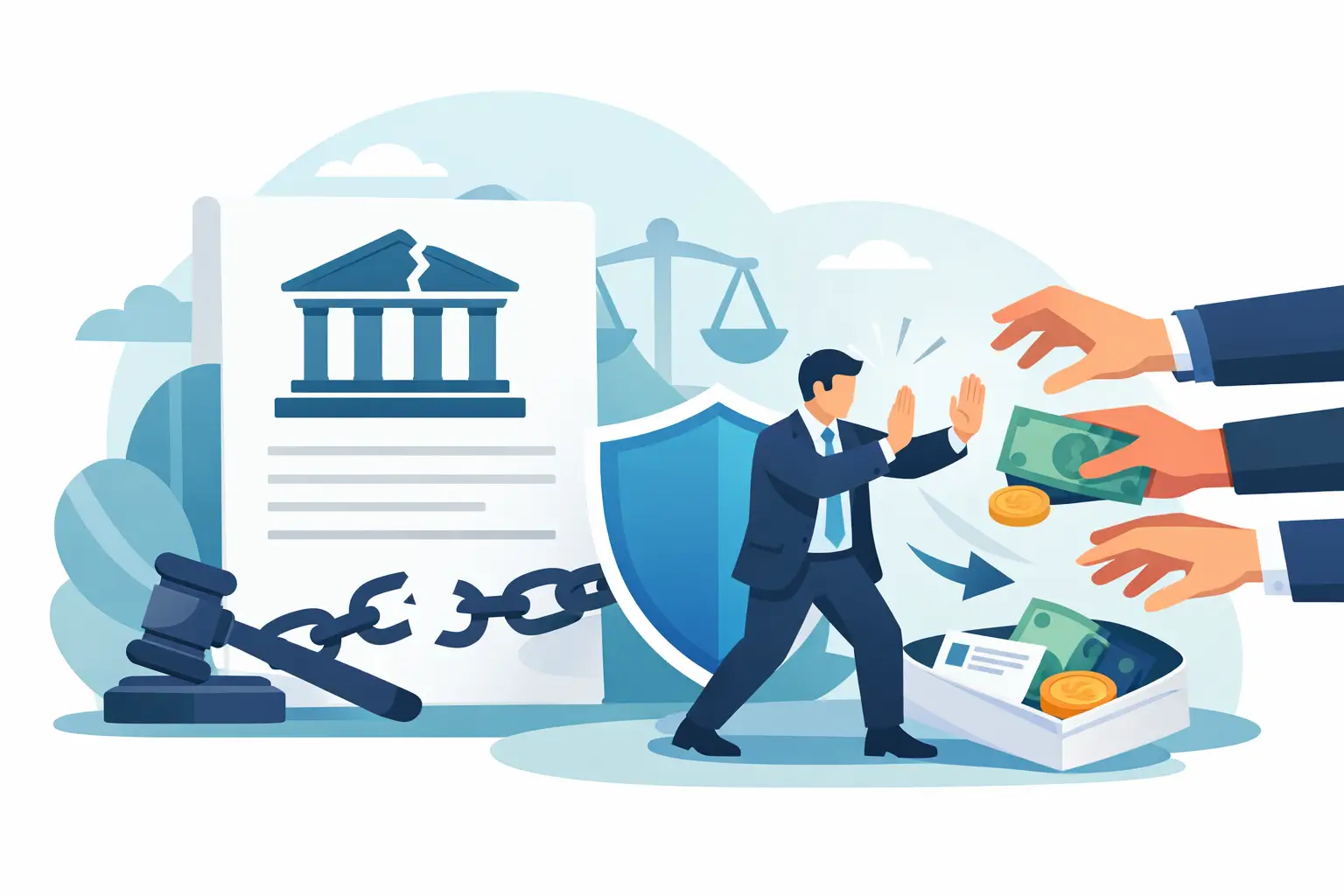
A paycheck that comes up short can turn a bad month into a crisis fast. If you are asking, can bankruptcy stop wage garnishment, the short answer is yes in many cases. Filing bankruptcy usually triggers an automatic stay, which is a federal court order that stops most collection activity, including many wage garnishments.
That said, not every garnishment ends the same way, and timing matters. The reason for the garnishment, the type of bankruptcy you file, and whether money has already been taken from your paycheck all affect what happens next. If you live in Memphis or Shelby County and a creditor is already taking part of your wages, you need clear answers and fast action.
Can bankruptcy stop wage garnishment in Tennessee?
In most situations, yes. When a bankruptcy case is filed, the automatic stay goes into effect right away. That stay generally stops creditors from continuing collection efforts. If your wages are being garnished for credit card debt, medical bills, personal loans, old utility balances, repossession deficiencies, or similar consumer debts, bankruptcy often stops that garnishment.
For many people, that is the immediate relief they need most. The garnishment may have started small, but once part of each paycheck disappears, rent, groceries, gas, and car payments become harder to cover. Bankruptcy is often the legal tool that gives you room to breathe before the financial damage gets worse.
But there are exceptions. Some garnishments are tied to debts that bankruptcy does not treat the same way as ordinary unsecured debt.
Which wage garnishments usually stop – and which may not
If the garnishment comes from a regular consumer debt, bankruptcy usually stops it. This commonly includes credit card judgments, medical debt judgments, signature loans, old apartment debt, and many collection lawsuits that ended in a judgment.
If the garnishment is for child support or alimony, the automatic stay does not stop that collection the way it stops most creditor actions. Domestic support obligations get special treatment under bankruptcy law. The same caution applies to some tax debts, student loan collection issues, and certain government-related obligations. In those cases, bankruptcy may still help overall, but you should not assume the garnishment will end just because a case was filed.
This is why the details matter. Two people may both have wage garnishments, but their results can be very different depending on who is collecting and what type of debt is involved.
How fast does bankruptcy stop a wage garnishment?
Usually, the protection starts when the case is filed. That is the good news. The practical issue is how quickly the payroll department and the creditor receive notice and process it.
In real life, there can be a short lag. Your employer may have already processed payroll for the current pay period before learning about the bankruptcy filing. A deduction that was already in motion might still come out once more, even though the garnishment should stop going forward. That does not always mean something went wrong. It may simply mean the paperwork crossed paths with payroll timing.
If action is needed fast, speed matters on the front end. Waiting until the day before payday can limit what can be fixed immediately. The earlier you get the case prepared and filed, the better the chance of stopping the next deduction before it hits your check.
Chapter 7 vs. Chapter 13 for wage garnishment relief
Both Chapter 7 and Chapter 13 can stop many garnishments, but they solve the larger debt problem in different ways.
Chapter 7
Chapter 7 is often the faster path if you qualify and your main problem is unsecured debt. It can stop the garnishment through the automatic stay and then discharge many of the debts behind it, including credit card debt, medical bills, payday loans, and personal loans. If the underlying debt is discharged, the creditor generally cannot restart collection after the case ends.
Chapter 7 works best for many people who do not have enough income to fund a repayment plan and who need a clean break from unsecured debt.
Chapter 13
Chapter 13 also stops many garnishments, but instead of wiping out debt immediately, it puts you into a court-approved repayment plan. This can be the better fit if you are behind on a mortgage, trying to save a car, owe certain taxes, or earn too much to qualify for Chapter 7.
For some people in Memphis, Chapter 13 is not just about ending a garnishment. It is about stopping the garnishment while also catching up on secured debts and protecting important property. In many cases, it is the more flexible tool when there is more than one urgent problem happening at the same time.
What about money already taken from your paycheck?
This is one of the most common questions, and the answer is: it depends. Bankruptcy usually stops future garnishment once the case is filed, but money already withheld is a separate issue.
If funds were taken before filing and already sent through the court or to the creditor, getting that money back is not automatic. In some cases, there may be options to recover recent garnished wages, especially if the amount and timing fit bankruptcy rules. In other cases, that money may be gone.
The key point is not to wait and hope things improve on their own. Every pay cycle that passes can mean more lost wages. If garnishment is already happening, delaying action often costs you money you may not be able to recover.
Why creditors use wage garnishment so aggressively
Once a creditor gets a judgment, wage garnishment is one of the strongest collection tools available. It is steady, predictable, and hard for most people to stop without legal action. Creditors know that when they intercept part of your paycheck, they move to the front of the line ahead of your rent, your utility bill, and your groceries.
That is exactly why bankruptcy law provides strong protection. The automatic stay is there to stop the financial spiral and give you a real chance to deal with debt in an organized way. For many working people, wage garnishment is the moment a debt problem stops being manageable and becomes an emergency.
Signs you should not wait any longer
If you are borrowing to cover basics after the garnishment starts, the situation is already serious. If you are juggling payday loans, missing car payments, falling behind on your mortgage, or using one credit card to pay another bill, wage garnishment is usually part of a bigger debt problem – not a one-time setback.
Bankruptcy may make sense sooner rather than later if the garnishment is tied to debts that will not realistically be paid off, if collection calls are still coming from other creditors, or if the loss of income is putting your housing or transportation at risk. When one judgment creditor starts taking wages, others may not be far behind.
Local experience matters when time is short
Bankruptcy is federal law, but local practice still matters. Filing correctly, choosing the right chapter, and moving quickly can make a major difference when someone is about to lose part of the paycheck they rely on. An experienced Memphis bankruptcy lawyer can look at the type of debt, the court history, your income, and your goals, then tell you what relief is realistic and how fast it can happen.
At Arthur Ray Law Offices, we have spent decades helping people in the Memphis area stop garnishments, stop foreclosures, and get control of debt before the damage spreads further. When money is already being taken from your wages, you do not need vague advice. You need a clear plan.
The real question is not just whether bankruptcy can stop wage garnishment
The real question is whether filing now puts you in a better position than waiting. For many people, the answer is yes. If the garnishment comes from credit card debt, medical bills, personal loans, or another dischargeable debt, bankruptcy can often stop the deduction and deal with the debt behind it at the same time.
If the debt is for support, taxes, or another special category, the answer may be more complicated, but you still may have options that improve your situation. Either way, the worst move is usually doing nothing while each paycheck gets smaller.
If your wages are being garnished, the problem is already affecting your day-to-day life. Relief often starts the moment the right case is filed, and sometimes that one step is what finally gives a family enough breathing room to move forward.
Written and legally reviewed by:


We are a debt relief agency. Our Bankruptcy Lawyers in Memphis, TN help people file for bankruptcy under the bankruptcy code.
*For those who qualify under federal law.