
Can I Keep My House in Bankruptcy?
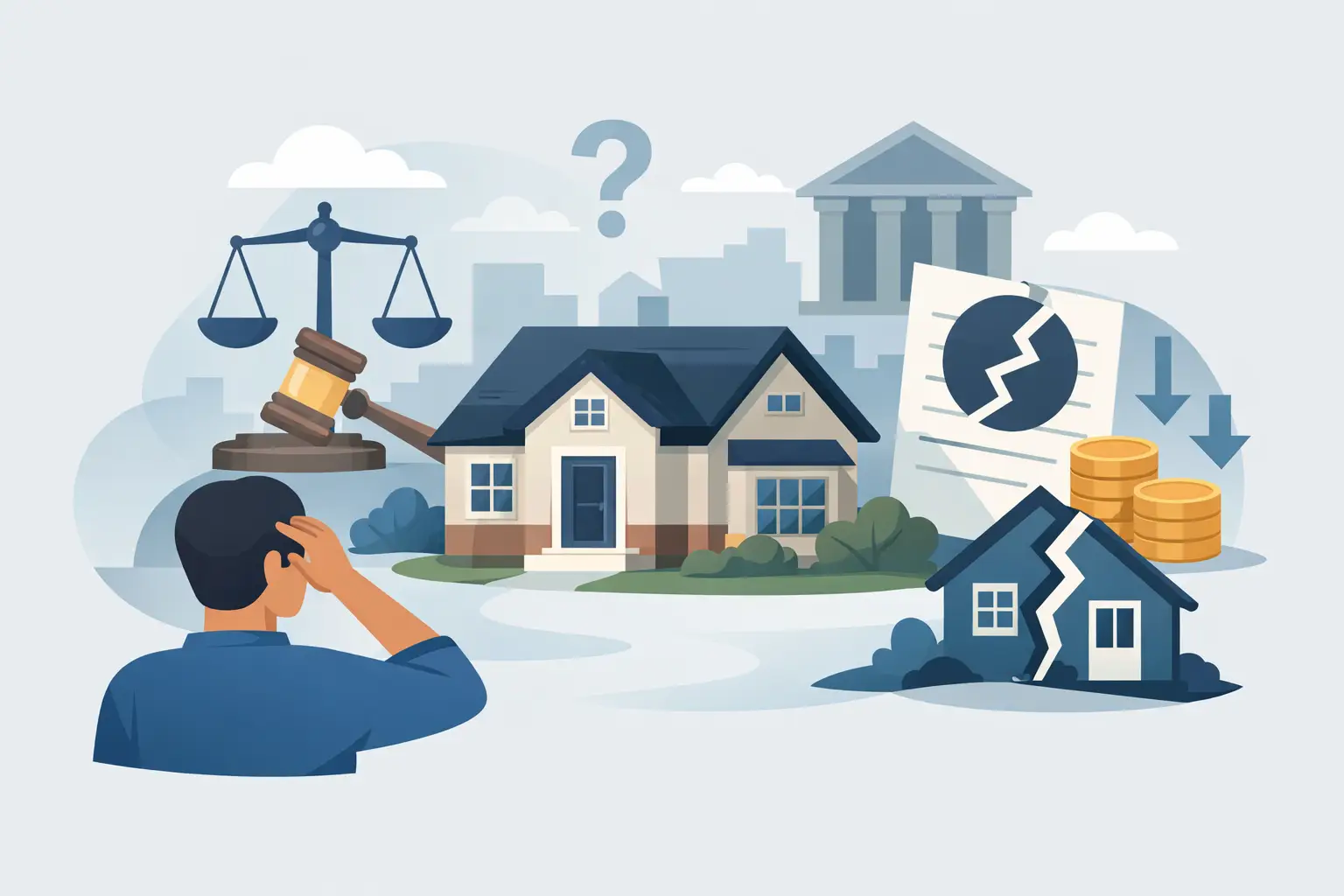
The notice on your door, the missed mortgage payments, the calls from creditors – this is usually when the question gets very real: can I keep my house? If you are behind on bills and worried bankruptcy means losing everything, take a breath. In many cases, bankruptcy is the tool that helps people keep their homes, not lose them.
Whether you can keep your house depends on a few specific facts: what chapter you file, how far behind you are, how much equity you have, and whether you can afford the payment going forward. Those details matter. The good news is that homeowners in Memphis often have more legal protection and more options than they realize.
Can I keep my house if I file bankruptcy?
Yes, many people can. Bankruptcy does not automatically mean your house is taken away. That is one of the biggest myths people believe, and it keeps them from acting soon enough.
If you are facing foreclosure, timing matters. Filing bankruptcy can trigger the automatic stay, which is a court order that stops most collection activity right away. That can stop a foreclosure sale, stop creditor pressure, and give you room to deal with the mortgage problem in an organized way.
But whether you keep the house is not answered by one simple yes or no. It depends on what is causing the problem.
If your issue is temporary and you just need to catch up, Chapter 13 may be the better fit. If your mortgage is current but credit cards, medical bills, payday loans, or garnishments are making it impossible to stay current, Chapter 7 may free up enough income to let you keep paying the house. Different debt problems call for different legal solutions.
What matters most when deciding if you can keep your house
The first issue is your mortgage status. If you are current on the mortgage and can stay current, keeping the house is often much easier. If you are behind, the question becomes whether you have a legal path to catch up before the lender finishes foreclosure.
The second issue is equity. Equity is the difference between what your house is worth and what you owe on it. In bankruptcy, exemptions may protect some or all of that equity. If your equity is fully protected under applicable law, that helps. If there is too much nonexempt equity, the analysis gets more complicated.
The third issue is affordability. Bankruptcy can erase or restructure debt, but it cannot make an unaffordable house affordable by itself. If the mortgage payment, taxes, insurance, and upkeep are beyond your budget even after debt relief, keeping the house may not be realistic. That is not a failure. It is just a financial fact that needs an honest answer.
How Chapter 7 affects your house
Chapter 7 is often the faster form of bankruptcy. It is designed to wipe out unsecured debts like credit card balances, medical bills, personal loans, and many old collection accounts. For a homeowner, that can be powerful.
If your mortgage is current and your equity is protected, Chapter 7 may let you keep the house while eliminating the other debts that are choking your budget. A lot of people are not really losing the house because of the house payment alone. They are losing it because every other debt has become impossible too.
Chapter 7 can also stop foreclosure temporarily through the automatic stay. But temporary is the key word. If you are significantly behind on the mortgage, Chapter 7 usually does not give you a long-term way to force the lender to accept catch-up payments over time. The lender can ask the court for permission to move forward with foreclosure if the default is not fixed.
So if you are asking, can I keep my house in Chapter 7, the answer is often yes if you are current or can quickly get current, and if your equity is protected. It is less effective if your main problem is several months of missed mortgage payments.
How Chapter 13 can help you keep your house
Chapter 13 is often the chapter people use when they need to save a home from foreclosure. It gives you a structured repayment plan, usually lasting three to five years. That plan can allow you to catch up on mortgage arrears over time instead of paying the full past-due amount all at once.
That matters because most lenders do not care that you can resume regular payments next month if you cannot also pay thousands of dollars in back payments immediately. Chapter 13 changes that pressure. It can stop the foreclosure and spread the arrears out into manageable payments under court protection.
You generally keep making your regular mortgage payment going forward, while also paying toward the arrears through the Chapter 13 plan. If the plan is realistic and you stay on track, Chapter 13 can be one of the strongest legal tools available to save a house.
It can also help with related debt problems at the same time. If wage garnishments, car loan issues, tax debt, or unsecured debt are part of the reason you fell behind, Chapter 13 addresses the whole situation instead of just one bill.
Can I keep my house if I am already in foreclosure?
Often, yes – but speed matters. Once a foreclosure process has started, every day counts. Waiting for the sale date to get close limits your options and increases your stress.
Bankruptcy can stop a scheduled foreclosure sale if the case is filed in time. That gives you immediate protection and a chance to use Chapter 13 to catch up. But last-minute filings are not ideal. The earlier you get legal advice, the more room there is to build a plan that actually works.
In Memphis and Shelby County, local court experience matters here. Procedure, timing, lender behavior, and trustee expectations are not abstract issues. They affect your case in real life.
When keeping the house may not be the best move
A good lawyer should tell you the truth, not just what you want to hear. Sometimes the better question is not can I keep my house, but should I?
If the house has little value to you, needs major repairs, carries a mortgage that is far beyond your income, or has become the center of constant financial crisis, fighting to keep it may create more damage than relief. Bankruptcy can also help people walk away from an impossible house and use the law to rebuild.
That choice can feel emotional. A home is not just an asset. It is where your family lives, where your routine happens, where your life has been. But if keeping it means draining retirement, borrowing from family, or sacrificing basic needs every month, it may be time to look at the bigger picture.
Common mistakes homeowners make before filing
The biggest mistake is waiting too long. People empty savings, raid retirement accounts, take out payday loans, or skip other essential bills trying to save the mortgage without a legal plan. By the time they ask for help, the problem is worse and the options are narrower.
Another mistake is assuming one missed payment means the house is gone. That is simply not true. Foreclosure is a legal process, not an instant event. There may still be time to stop it.
A third mistake is transferring property, borrowing against the house, or making major financial moves without legal advice. Those steps can create new problems in bankruptcy and may hurt the very protections you need.
What to bring to a bankruptcy consultation about your house
If you are worried about losing your home, gather your mortgage statements, any foreclosure notices, a rough estimate of the home’s value, proof of income, and a list of your other debts. That is usually enough to start a serious review of your options.
A good consultation should answer practical questions, not drown you in legal jargon. Can foreclosure be stopped? Is Chapter 7 enough? Is Chapter 13 affordable? Is your equity protected? What would the monthly plan payment look like? Those are the questions that matter.
At Arthur Ray Law Offices, this is exactly how we approach it – straight answers, local experience, and a real plan based on your numbers.
If you are losing sleep over your mortgage, do not assume the answer is no before you know your rights. The question can I keep my house often has a better answer than people expect, especially when they act before the deadline makes the decision for them.
Written and legally reviewed by:


We are a debt relief agency. Our Bankruptcy Lawyers in Memphis, TN help people file for bankruptcy under the bankruptcy code.
*For those who qualify under federal law.