
Chapter 13 Repayment Plan Explained
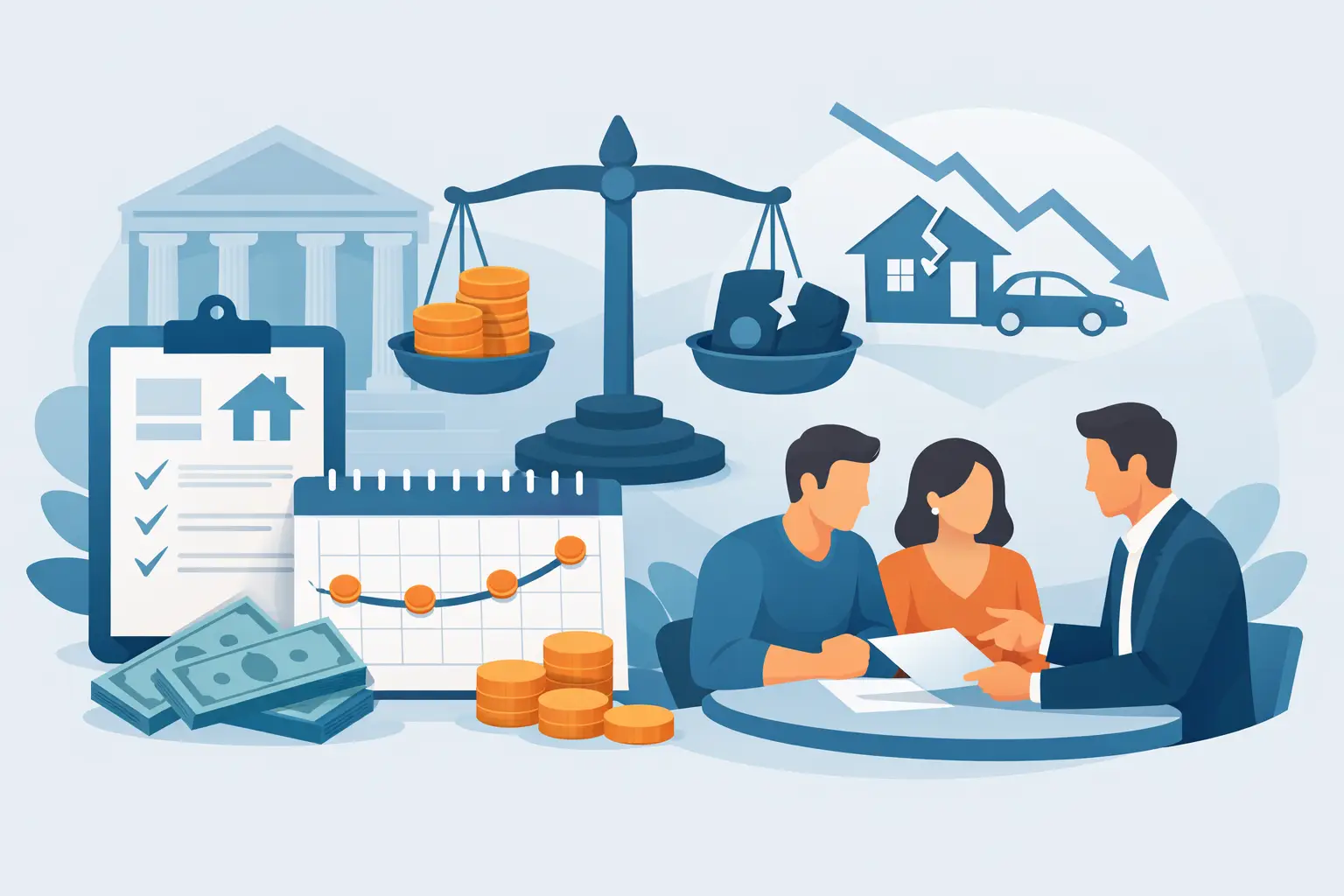
If you are behind on your mortgage, catching calls from creditors, or watching your paycheck shrink from garnishment, the words chapter 13 repayment plan explained are not just a search term. They are usually a sign that you need answers fast. The good news is that Chapter 13 is not guesswork. It is a structured court-approved plan that can give you time, protection, and a real path to get control of debt.
For many people in Memphis, Chapter 13 works because it deals with the problems that feel most urgent right now. It can stop a foreclosure sale, stop wage garnishment, and give you a way to catch up on missed payments over time instead of all at once. That matters when you are trying to keep your house, your car, and your family budget from falling apart.
What a Chapter 13 repayment plan really is
A Chapter 13 repayment plan is a monthly payment plan that lasts three to five years. You make one regular payment to a Chapter 13 trustee, and the trustee distributes that money to creditors according to the terms of your bankruptcy plan.
This is not the same as simply making informal payment arrangements with collectors. Once your case is filed, the automatic stay goes into effect. That court protection can stop collection actions immediately, including foreclosure, repossession efforts, lawsuits, and garnishments in many cases. Instead of dealing with each creditor one by one, you are working through one court-supervised system.
The amount you pay is based on several factors, including your income, your necessary living expenses, the property you want to keep, and the types of debts you owe. Some people pay back only a portion of their unsecured debt. Others pay more, depending on what the law requires in their case.
Chapter 13 repayment plan explained by debt type
One reason Chapter 13 can be so effective is that not every debt is treated the same way.
Secured debts, like a mortgage or car loan, are tied to property. If you are behind, Chapter 13 may let you catch up on those missed payments over time while keeping current payments moving forward. This is one of the biggest reasons people file. If your home is headed toward foreclosure, time matters, and Chapter 13 can create breathing room quickly.
Priority debts usually include certain taxes, domestic support obligations, and a few other categories that the law treats differently. These debts often must be paid in full through the plan.
Unsecured debts, like credit cards, medical bills, payday loans, and many personal loans, are often treated more favorably for the debtor. Depending on your income and assets, you may pay only a fraction of what you owe on these debts through the plan. At the end of a successful case, the remaining dischargeable balance can be wiped out.
That is why Chapter 13 is not just about repayment. It is about restructuring debt in a way that is realistic under your circumstances.
How your monthly Chapter 13 payment is calculated
People often assume the payment is based on what creditors demand. It is not. The court looks at what your budget and the bankruptcy rules allow.
Your plan payment generally depends on your disposable income, which is the money left after reasonable and necessary living expenses. It also depends on whether you need to catch up on mortgage arrears, pay car loan balances, cover tax debt, or protect nonexempt property.
There is no single “standard” Chapter 13 payment. One person may have a modest payment because their main goal is stopping a garnishment and dealing with credit card debt. Another may have a higher payment because they are saving a house from foreclosure and paying back significant mortgage arrears.
This is where experience matters. A properly prepared case does not just list debt. It builds a plan that the court can confirm and that the client has a real chance of completing.
Why Chapter 13 can be the right fit
Chapter 7 is often faster, but Chapter 13 is sometimes the better tool. That is especially true if you are behind on secured debt and need time to catch up.
If you are trying to save a home from foreclosure, Chapter 13 may be the strongest option available. If you are behind on a car note and need a structured way to cure the default, it may help there too. If you earn too much to qualify for Chapter 7 or have assets you need to protect, Chapter 13 can offer a solution that Chapter 7 does not.
That said, Chapter 13 is a commitment. You need enough regular income to support a plan. If your income is too unstable, a different approach may make more sense. The right answer depends on your exact debt, your property, and what problem needs to be solved first.
What happens after the case is filed
After filing, you begin making plan payments, usually starting soon after the case is filed, even before the plan is formally approved. You also attend a meeting of creditors, sometimes called a 341 meeting. Despite the name, creditors usually do not show up in ordinary consumer cases. It is typically a short hearing where the trustee asks questions under oath about your finances and your paperwork.
After that, the court decides whether to confirm the plan. If there are objections, those issues may need to be resolved. Sometimes the payment amount changes. Sometimes documents need to be updated. This does not mean the case is failing. It often means the details are being worked through, which is a normal part of the process.
Once the plan is confirmed, you continue making payments for the plan term. At the end, if you have completed the requirements, eligible remaining unsecured debts can be discharged.
The biggest mistakes people make with Chapter 13
The first mistake is waiting too long. If a foreclosure sale is scheduled or wages are being taken every pay period, delay can make your options narrower. Chapter 13 works best when there is still time to build a proper plan.
The second mistake is assuming the plan will cover everything automatically. You still have responsibilities. In many cases, you must stay current on ongoing mortgage payments after filing. You may also need to provide tax returns, complete a debtor education course, and respond quickly to requests from your attorney or trustee.
The third mistake is filing a case built on a payment that is not realistic. A plan only helps if you can live with it. That is why plain talk matters. A good lawyer should tell you what is workable, what is risky, and what may need to change before filing.
Chapter 13 repayment plan explained for Memphis families
In this part of Tennessee, many people considering Chapter 13 are not dealing with just one debt problem. They are facing stacked problems at once – mortgage arrears, credit cards, medical bills, title loans, collection lawsuits, and threats to a vehicle they need for work. Chapter 13 can bring those pressures into one legal framework and stop the panic cycle.
That does not mean every case is easy. Some plans need to be adjusted. Some households need to decide whether saving a home is financially realistic. Some debts may survive bankruptcy. But when Chapter 13 fits, it gives people something they often have not had in a long time: room to breathe and a plan they can actually follow.
At Arthur Ray Law Offices, the focus is not on making bankruptcy sound complicated. It is on making your options clear and practical so you can act before the situation gets worse.
Is Chapter 13 a fresh start or just another payment plan?
It is both, and that is the honest answer.
It is a payment plan, because you are making structured payments over time. But it is also a fresh start because the plan happens under court protection, collections are stopped, and many unsecured debts may be reduced or discharged at the end. You are not just paying bills the old way. You are using federal law to reset the terms.
For some people, that reset is the difference between losing everything and keeping what matters most. If your debt problem is tied to missed house payments, car trouble, or aggressive creditors who will not stop, Chapter 13 may be the tool that buys time and creates leverage.
The hardest part for most people is not the plan itself. It is getting a clear answer soon enough to use it. If you are under pressure right now, the best next step is not guessing. It is getting your numbers reviewed by experienced lawyers memphis families can trust, so you can see whether Chapter 13 gives you a real way forward.
Written and legally reviewed by:


We are a debt relief agency. Our Bankruptcy Lawyers in Memphis, TN help people file for bankruptcy under the bankruptcy code.
*For those who qualify under federal law.