
Creditor Lawsuit Bankruptcy Relief Options
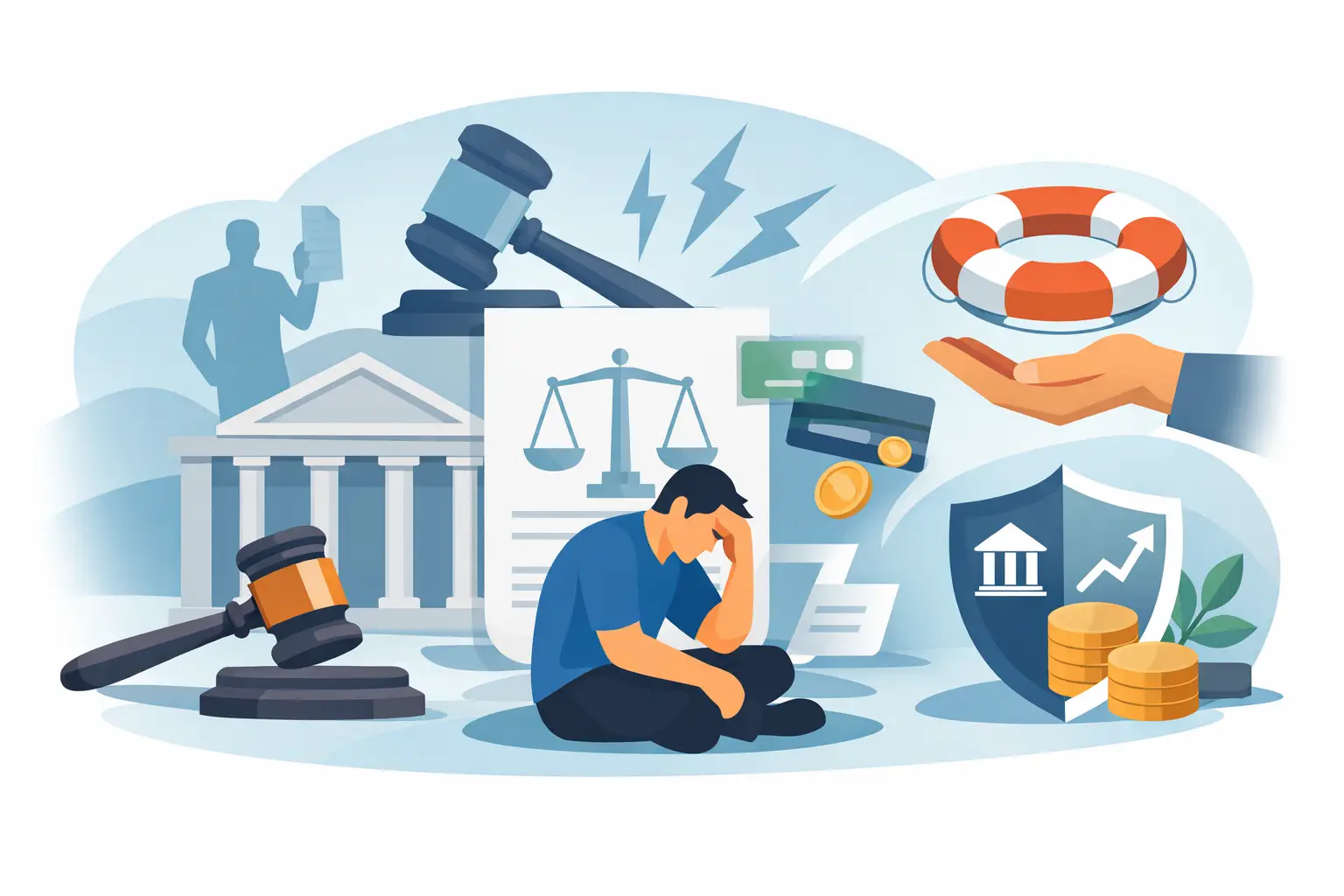
When you get served with a debt collection lawsuit, the pressure changes fast. What felt like annoying calls and letters can turn into a real threat to your paycheck, your bank account, and your peace of mind. Creditor lawsuit bankruptcy relief is often the fastest legal way to stop that pressure and take back control before a judgment makes the problem worse.
For many people in Memphis, a lawsuit from a credit card company, medical provider, finance company, or debt buyer is the moment they realize the debt problem is no longer manageable. If that is where you are, you need clear answers, not scare tactics. Bankruptcy can stop collection lawsuits, but the right chapter and the timing matter.
How creditor lawsuit bankruptcy relief works
The key protection in bankruptcy is the automatic stay. Once a bankruptcy case is filed, federal law usually stops most collection activity immediately. That includes pending lawsuits, collection calls, wage garnishments, bank levies, repossessions, and foreclosure actions.
If a creditor has already sued you, filing bankruptcy generally freezes that case. If the lawsuit has not yet turned into a judgment, bankruptcy can stop the creditor from getting one while your case is pending. If the creditor already has a judgment, bankruptcy may still stop enforcement efforts such as garnishment or bank account seizure.
That is why timing matters so much. The earlier you act, the more options you usually have. Waiting until after a default judgment or garnishment order can still leave room for relief, but it often means more stress and less flexibility.
What happens if you ignore a creditor lawsuit?
A lot of good people ignore lawsuits because they feel overwhelmed, embarrassed, or convinced there is nothing they can do. That is a costly mistake. If you do not respond, the creditor may get a default judgment. Once that happens, the collector gains stronger tools to force payment.
In Tennessee, a judgment can lead to wage garnishment and other collection actions. For someone already behind on rent, mortgage payments, car notes, or utilities, losing part of each paycheck can trigger a chain reaction. One lawsuit can turn into several financial emergencies at once.
Bankruptcy is not the only possible response to a lawsuit, but it is often the most effective when the debt problem is broader than a single account. If you are being sued on one debt and struggling with several others, defending that one case may not solve the real problem.
Chapter 7 and creditor lawsuit bankruptcy relief
Chapter 7 is often the strongest option for people with mostly unsecured debt and limited ability to repay. That usually includes credit card balances, medical bills, personal loans, old utility balances, and many collection accounts. If you qualify, Chapter 7 can stop the lawsuit and wipe out the debt behind it.
That matters because the goal is not just delaying the creditor. The goal is permanent relief where the law allows it. If the debt is discharged, the creditor cannot continue the lawsuit or collect on that discharged debt after the bankruptcy is complete.
Chapter 7 is usually best for people who do not have enough disposable income to fund a repayment plan. It can move relatively quickly, but it also depends on your income, assets, and the type of debt involved. Some debts, such as recent taxes, child support, alimony, and most student loans, are treated differently and may not be discharged.
Chapter 13 and creditor lawsuit bankruptcy relief
Chapter 13 works differently. Instead of wiping out eligible unsecured debt right away, it creates a court-approved repayment plan, usually lasting three to five years. During that time, the automatic stay can stop collection lawsuits and garnishments while you make plan payments.
For many people, Chapter 13 makes sense when they are behind on a mortgage, need to catch up on a car loan, have property they want to protect, or do not qualify for Chapter 7. It can also help when debts are mixed and the household needs structure, time, and breathing room.
If a creditor lawsuit is part of a larger crisis that includes foreclosure threats, repossession risk, tax problems, or wage garnishment, Chapter 13 can be a practical solution. You are not just stopping one creditor. You are putting the whole debt situation under court protection and working from a plan.
Does bankruptcy stop a judgment or garnishment?
Usually, yes. If a creditor already sued you and won a judgment, bankruptcy can still be powerful. The filing typically stops collection activity tied to that judgment, including wage garnishment. In many cases, the garnishment must stop once the bankruptcy is filed and notice goes out.
That said, there are details that matter. Money already taken before filing may not always be recoverable. The type of debt matters too. A garnishment for child support or certain taxes is not treated the same way as a garnishment for a credit card judgment.
This is one reason people should not wait until a creditor has squeezed every dollar possible. Fast action can preserve income and prevent avoidable damage.
Which debts are most likely to lead to lawsuits?
The most common lawsuit debts are credit cards, medical bills, personal loans, old finance accounts, repossession deficiencies, and debts sold to collection buyers. Payday lenders and title loan issues can also become aggressive quickly, especially when the borrower is already stretched thin.
Not every creditor sues, but many do, and debt buyers often file high volumes of collection cases. They count on people failing to respond. If your debt load includes several unsecured accounts and you are already robbing Peter to pay Paul, bankruptcy may solve more than the lawsuit sitting in front of you.
When bankruptcy may not be the right move
Bankruptcy is powerful, but it is not automatic for every situation. If the lawsuit is truly isolated and you can afford to settle the debt without putting the rest of your finances at risk, another option may make sense. The same is true if the debt is not dischargeable or if a non-bankruptcy defense is stronger than a bankruptcy filing.
But many people who ask whether they should fight a lawsuit are really dealing with a larger debt collapse. They may be current on one bill only because another went unpaid. They may have borrowed from family, used payday loans, or skipped essentials to keep up appearances. In that situation, focusing on one lawsuit can miss the bigger problem.
A good bankruptcy consultation should look at your whole picture – income, assets, debts, pending lawsuits, garnishments, foreclosure risk, and what result you actually need. Relief is not one-size-fits-all.
What to do right away if you were served
First, do not ignore the paperwork. Check the court date and response deadline. Even if you think bankruptcy is likely, bring every page of the lawsuit to your consultation.
Second, gather your financial information. That includes recent pay stubs, a list of debts, any garnishment notices, bank information, tax returns, and details about your home and vehicles. The faster your lawyer can see the full picture, the faster you can get a real answer.
Third, act before the creditor gets further into the process. Waiting usually helps the collector, not you. At Arthur Ray Law Offices, this is exactly the kind of crisis we help people handle every day, with straightforward advice about whether Chapter 7 or Chapter 13 is the better path.
Why local court experience matters
Bankruptcy is federal law, but local practice still matters. Deadlines, trustee expectations, filing habits, and courtroom procedures are not abstract issues when your paycheck or home is on the line. A lawyer who regularly handles cases in the Western District of Tennessee understands how to move quickly and avoid mistakes that create delays.
That matters even more when a creditor lawsuit is active. You do not need a theory. You need a filing strategy that protects you now and solves the debt problem in a way you can live with.
If a lawsuit has already landed on your doorstep, do not treat it like a warning you can set aside for later. It is a sign that the debt has moved into a more dangerous stage. The good news is that legal relief may still be available, and the sooner you get clear advice, the sooner the pressure can start to lift.
Written and legally reviewed by:


We are a debt relief agency. Our Bankruptcy Lawyers in Memphis, TN help people file for bankruptcy under the bankruptcy code.
*For those who qualify under federal law.