
How Bankruptcy Saves Your Car
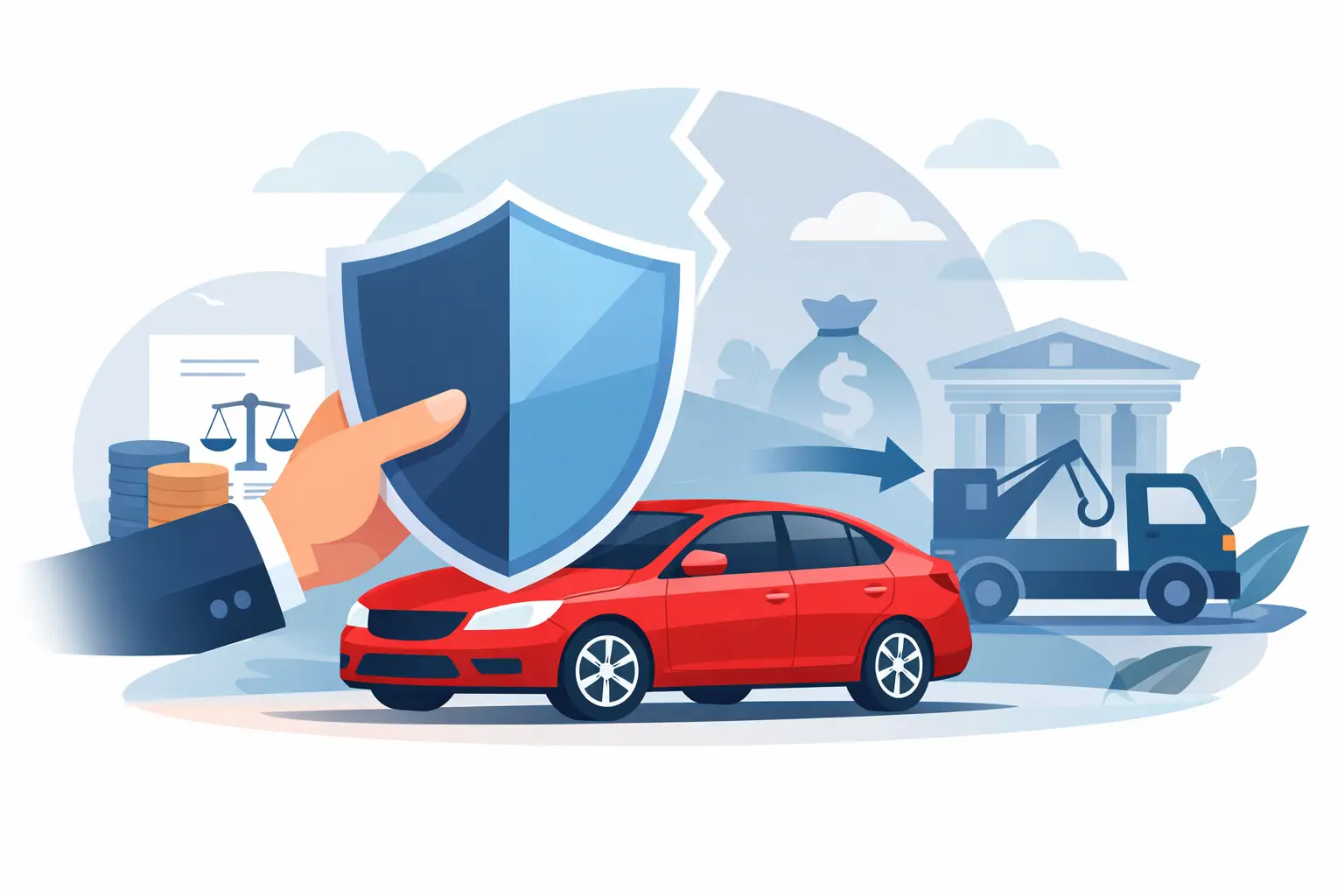
The tow truck usually shows up at the worst possible time – before work, after a late payment, or right when you are trying to get your finances under control. If you are worried about losing your vehicle, you need to know how bankruptcy saves your car in real, practical ways. In many cases, filing bankruptcy can stop a repossession, give you time to catch up, and protect the vehicle you need to get to work, take your kids to school, and handle daily life.
For most people in Memphis, a car is not a luxury. It is how you keep your job and keep your household moving. When a lender is threatening repossession, the problem is bigger than one missed payment. It can quickly turn into lost income, more fees, and a financial crisis that gets worse by the week.
How bankruptcy saves your car when repossession is close
Bankruptcy helps because the moment a case is filed, the automatic stay goes into effect. That is a court order that stops most collection activity right away. In plain English, it can stop the finance company from repossessing your car, and if the car was taken very recently, it may create a path to getting it back.
That timing matters. If you wait until after the lender has sold the vehicle, your options may be narrower. But if you act before the sale, bankruptcy can often preserve leverage and give you legal protection you did not have the day before filing.
This is one reason people should not assume they are out of options just because they are behind. A repossession threat is serious, but it does not always mean the car is gone for good.
Chapter 7 versus Chapter 13
The right chapter depends on what is causing the problem.
Chapter 7 can work if you can afford the car going forward
If you are only a little behind, or if a family member can help you catch up, Chapter 7 may help by eliminating other debt pressure. In some cases, you may be able to reaffirm the car loan and continue making payments. In other situations, a lender may allow you to retain the vehicle if you stay current.
But Chapter 7 is not always the best fit if you are far behind on the car note. It does not create a long repayment plan to spread out the arrears. So if your main problem is several missed payments and no way to cure them quickly, Chapter 13 may offer better protection.
Chapter 13 is often the stronger tool for saving a vehicle
Chapter 13 is built for people who need time. Instead of having to catch up all at once, you may be able to pay the past-due amount through a court-approved repayment plan over three to five years while keeping up with current obligations.
That can be the difference between losing the car and keeping it. If your income is steady but you fell behind because of a layoff, medical emergency, divorce, or rising living costs, Chapter 13 gives you a structure to recover.
In some cases, Chapter 13 can do even more. Depending on the age of the loan and the facts of the case, it may be possible to reduce the secured portion of a vehicle loan to the car’s value. People often call this a cramdown. That is not available in every case, and the timing rules matter, but when it applies, it can significantly lower what you pay on the vehicle.
When the lender has already taken the car
People often believe repossession means the fight is over. That is not always true.
If the lender has repossessed the vehicle but has not sold it yet, bankruptcy may still help you recover it. The filing can stop further collection action, and in the right case, your attorney can take steps to seek turnover of the vehicle. Whether that happens depends on the chapter filed, the lender’s position, the status of the loan, and whether the plan for repayment is legally workable.
This is where speed matters. Waiting days or weeks can change the outcome. Once the car is sold, the issue is no longer how to get the vehicle back. At that point, the focus may shift to any remaining balance the lender claims you owe after the sale.
How bankruptcy saves your car and your budget
A car problem is rarely just a car problem. It usually sits in the middle of a much larger debt mess.
Maybe you used credit cards to stay current on everything else. Maybe a payday loan or title loan took over your paycheck. Maybe a garnishment started, and suddenly you could not make the car payment. Bankruptcy addresses the bigger picture, not just the one account making the loudest threat.
When unsecured debts are discharged in Chapter 7, or reorganized in Chapter 13, cash flow often improves. That gives families room to keep up with essential expenses, including transportation. In that sense, how bankruptcy saves your car is not only about stopping repossession. It is about creating a budget that works again.
That distinction matters. If you stop one repossession but still cannot meet your monthly obligations, the pressure returns. A good bankruptcy strategy looks at the full household situation and fixes the root problem.
What about exemptions and vehicle equity?
People also worry that filing bankruptcy means the court will simply take their car. That is not how most consumer cases work.
Whether a vehicle is protected depends in part on its equity – the difference between what it is worth and what you owe on it – and the exemptions available under the law. Many filers have little or no equity because the loan balance is close to the car’s value. In those cases, the issue is less about equity and more about whether the monthly payment is affordable.
If you own the car free and clear, or if you have substantial equity, the analysis gets more specific. That does not mean bankruptcy is off the table. It means your attorney needs to review the numbers carefully and decide the smartest way to protect the asset.
This is exactly why one-size-fits-all advice from friends, social media, or creditors can do real damage. The answer depends on your loan, your income, your equity, and your chapter choice.
Common situations where filing helps
Bankruptcy often helps drivers who are dealing with more than one emergency at once. Someone behind on a car loan and facing wage garnishment may need immediate court protection. A borrower trapped in a title loan may need a legal way to stop the cycle and recover stability. A household that fell behind after illness or reduced hours may need Chapter 13 to spread out missed payments instead of trying to come up with a lump sum.
These are not unusual cases. They are everyday debt problems, and they are exactly why bankruptcy law exists.
At Arthur Ray Law Offices, we have seen over and over that people wait too long because they think filing means failure. The truth is simpler. Bankruptcy is a legal tool designed to protect working people from losing the things they need most while they deal with debt honestly and permanently.
What to do before the car is gone
If your lender is calling, sending default notices, or threatening repossession, do not assume you have time to spare. Do not hand the problem over to chance, and do not drain retirement money or borrow from family without first understanding your legal options.
The right next step is to get your case reviewed with the exact facts in front of you. That means your loan balance, payment history, vehicle value, income, and all other debts. Sometimes Chapter 7 is enough. Sometimes Chapter 13 is the better shield. Sometimes the fastest action is the most important part of saving the car.
A vehicle can often be protected, but bankruptcy works best before the crisis reaches the point of no return. If you are trying to keep your car, keep your job, and stop the financial bleeding, the smartest move is to act while there is still something to protect.
Sincerely yours,


Arthur Ray
Arthur Ray Law Offices
We are a debt relief agency. Our Bankruptcy Lawyers in Memphis, TN help people file for bankruptcy under the bankruptcy code.
*For those who qualify under federal law.