
How to Catch Up Mortgage Arrears Fast
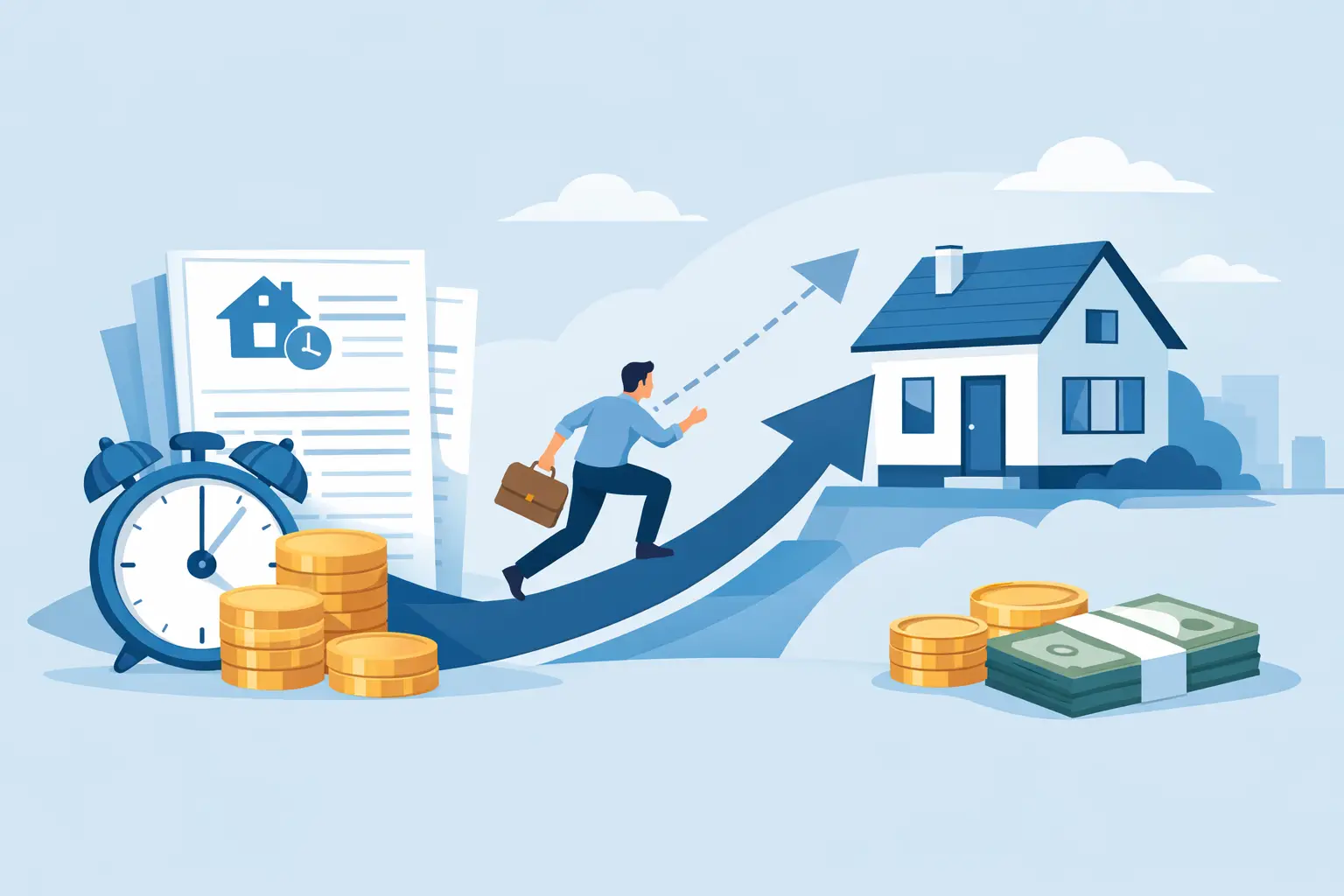
Missing one mortgage payment can feel manageable. Missing two or three can make every call, letter, and knock at the door feel like a warning that you are about to lose your home. If you are trying to catch up mortgage arrears, the real question is not just how to pay what you owe. It is how to stop the problem from getting worse while you still have options.
For many homeowners in Memphis, the situation moves faster than expected. Late fees pile on. The lender adds legal costs. A temporary setback becomes a crisis. That is why you need a clear plan based on where you are now, not where you wish you had acted two months ago.
What mortgage arrears really mean
Mortgage arrears are the past-due amount you owe on your loan. That usually includes missed monthly payments, late charges, and sometimes inspection fees, attorney’s fees, or foreclosure costs that the lender has added to the account.
A lot of people think being behind means they just need to pay one missed payment and move on. Often, it is more than that. If you are three or four months behind, the amount required to reinstate the loan may be far higher than you expected. Before you decide what to do, you need the exact number.
Call the mortgage servicer and ask for a reinstatement quote or a full breakdown of arrears. You need to know what is due now, what fees have been added, and whether foreclosure has already started.
The first step to catch up mortgage arrears
The first step is simple, but many people delay it because they are overwhelmed. Open every letter from the lender. Read the default notice. Find out whether a foreclosure sale has been scheduled.
That timeline matters. Your options are different if you are one payment behind versus several months behind with a sale date coming up. The earlier you act, the more room you have to negotiate. Once the case moves deeper into foreclosure, your choices narrow and the pressure increases.
You also need to be honest about the cause of the arrears. If the missed payments happened because of a one-time event like illness, job loss, divorce, or reduced hours, you may be able to recover with a structured plan. If your regular mortgage payment is simply no longer affordable, a short-term fix may not solve the real problem.
Can you catch up without bankruptcy?
Sometimes, yes. But it depends on your income, the amount of arrears, and how far the lender has gone in the foreclosure process.
One common option is reinstatement. That means paying the full past-due amount in a lump sum. If you have tax refund money, family help, a bonus, or retirement funds available, that can work. The downside is obvious. Most people facing foreclosure do not have thousands of extra dollars sitting around.
Another option is a repayment plan through the lender. In that arrangement, the lender lets you pay your regular monthly mortgage plus an extra amount each month until the arrears are cured. This can be useful if the arrears are relatively small and your income has stabilized. The problem is that the monthly payment can become too high to maintain, especially if you are already stretched thin.
Loan modification is another possibility. A modification may change the payment terms, interest rate, loan length, or delinquent balance. Some homeowners get meaningful relief this way. Others spend months sending paperwork back and forth while foreclosure keeps moving. That is the trade-off. A modification can help, but it can also be slow, uncertain, and frustrating.
Selling the home is also a valid option in some cases. If there is equity in the property and keeping the mortgage is not realistic, selling before foreclosure may protect your credit more than a completed foreclosure sale and may let you walk away with some money. But if your goal is to keep the home, selling is not the answer you want.
When Chapter 13 may be the strongest option
If you need time to catch up mortgage arrears and stop foreclosure, Chapter 13 is often the most powerful legal tool available.
When a Chapter 13 case is filed, the automatic stay stops foreclosure activity immediately in most situations. That means the lender cannot simply keep pushing toward a sale while you scramble to find money. Instead of paying the full arrears all at once, you can propose a repayment plan that spreads the past-due amount over three to five years.
This is why Chapter 13 helps so many homeowners who have regular income but cannot come up with a large lump sum. You keep making your current mortgage payment going forward, and the arrears are paid through the bankruptcy plan over time.
That structure can turn an impossible demand into something manageable.
For example, if you are $9,000 behind, a lender outside bankruptcy may want that cured quickly or in a very short repayment period. In Chapter 13, that same amount may be spread across a longer plan, making it far more realistic for a working family.
There are conditions, of course. You need enough income to support the plan. You also need to stay current on payments after filing. Chapter 13 is not magic. It is a legal solution that works best when there is a real path forward.
Why waiting makes mortgage arrears harder to fix
A lot of people wait because they are embarrassed, hopeful, or exhausted. They think they will catch up next month. Then next month comes and the problem is bigger.
Mortgage arrears tend to grow in layers. First there are missed payments. Then late charges. Then legal fees. Then court costs or foreclosure expenses. At the same time, the lender’s patience gets shorter. What could have been solved with a modest repayment plan may become a case that requires immediate legal action.
Waiting also creates a paperwork problem. If you pursue a loan modification or a bankruptcy filing late in the process, every day matters. Gathering pay stubs, tax returns, bank statements, and mortgage records takes time. Starting earlier gives you a better chance to protect the home before a final deadline hits.
Common mistakes homeowners make
One mistake is ignoring the lender completely. Even if you cannot pay right away, silence rarely helps. You need information about the account, the deadlines, and any available loss mitigation options.
Another mistake is draining retirement funds or borrowing at terrible terms just to buy a little time. Sometimes using savings to reinstate the loan makes sense. Sometimes it leaves you broke and still unable to afford the house two months later. The right move depends on whether the hardship was temporary or ongoing.
A third mistake is assuming bankruptcy means losing your home. In many foreclosure cases, Chapter 13 is used for the opposite reason. It is designed to help people save homes by catching up arrears over time while stopping collection pressure.
What to bring when you ask for help
If you are serious about saving your home, come prepared. Have your mortgage statements, any default or foreclosure notices, proof of income, recent bank statements, and a list of your other debts. Credit cards, medical bills, car loans, payday loans, and garnishments matter too, because they affect whether you can realistically afford a catch-up plan.
This is where a full legal review matters. Sometimes the mortgage is the main problem. Sometimes the mortgage is just one part of a larger debt crisis. If unsecured debts and collection actions are eating up the money you need for your house payment, dealing with those debts may be the key to keeping the home.
That is why many people speak with Arthur Ray Law Offices when foreclosure pressure is building. An experienced bankruptcy lawyer can look at the full picture and tell you plainly whether a repayment plan, loan workout, or Chapter 13 filing makes the most sense.
How to decide your next move
Start with two questions. First, can you afford the mortgage going forward if the past-due balance is handled the right way? Second, how much time do you have before foreclosure moves further?
If the answer to the first question is yes, your focus should be on the best tool to cure the arrears. If the answer is no, then you need a broader strategy, because catching up will not fix an unaffordable payment.
There is no prize for waiting until the last minute. The earlier you act, the more options you usually have. Some homeowners can solve the issue directly with the lender. Others need the legal protection of Chapter 13 to stop the sale and spread out the arrears. What matters most is getting accurate advice before your choices shrink.
If you are behind on your mortgage, do not measure your situation by panic. Measure it by what can still be done, because many homeowners have more ways to save their homes than they realize.
Written and legally reviewed by:


We are a debt relief agency. Our Bankruptcy Lawyers in Memphis, TN help people file for bankruptcy under the bankruptcy code.
*For those who qualify under federal law.