
How to Rebuild Credit After Bankruptcy
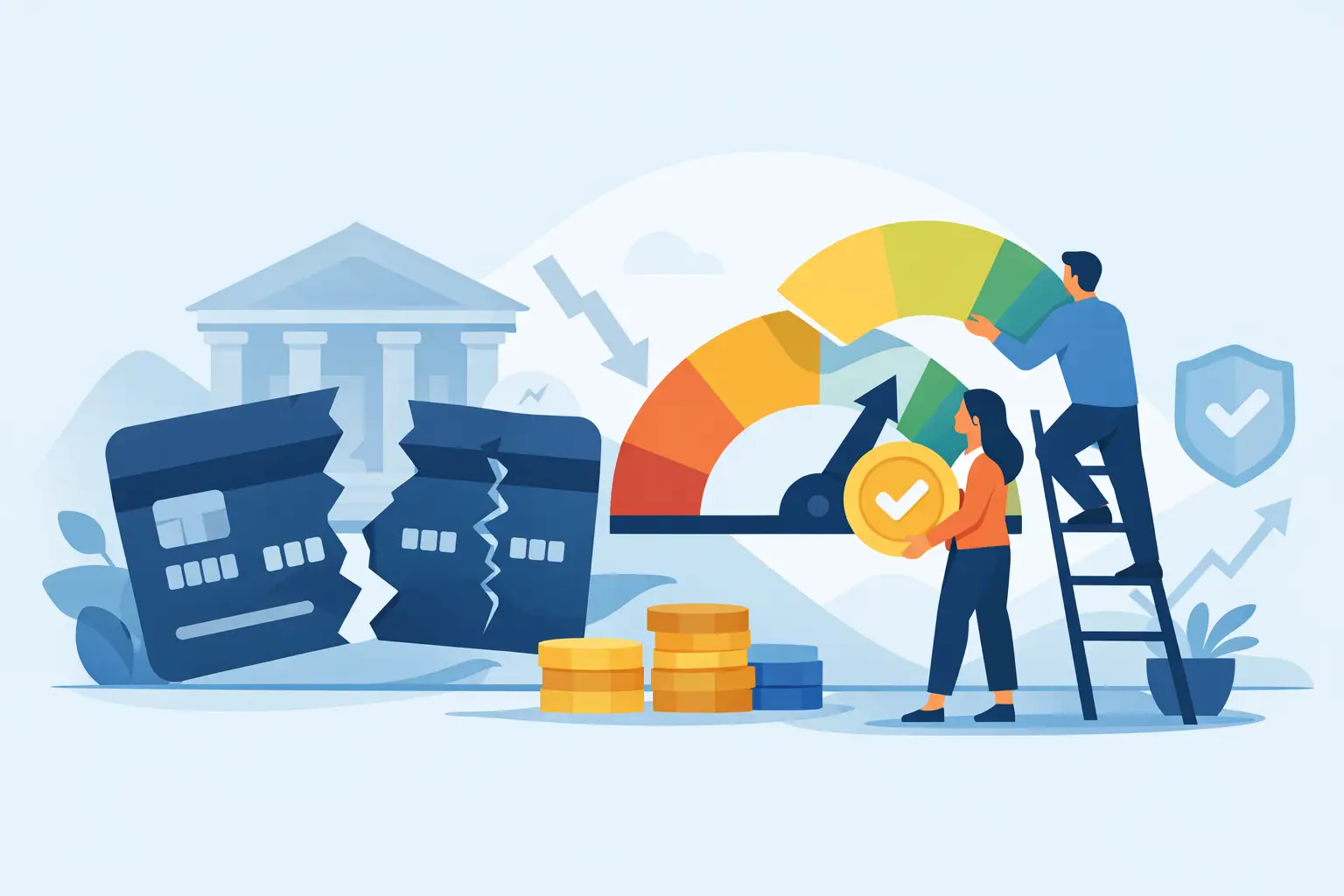
The first surprise for many people is this: your credit can start improving sooner than you think. If you have just received a discharge or confirmed a repayment plan, you are probably asking how to rebuild credit after bankruptcy without making another costly mistake. That is the right question, because recovery is not about chasing a perfect score fast. It is about building a cleaner, more stable financial record one step at a time.
Bankruptcy does hurt your credit. There is no point pretending otherwise. But for many people, the damage was already happening before the case was filed through missed payments, charge-offs, collections, lawsuits, repossessions, or maxed-out cards. Bankruptcy often stops that downward slide. Once old debt is dealt with, you finally have room to create better habits and show new positive activity.
How to rebuild credit after bankruptcy starts with clean records
Before you apply for anything new, pull your credit reports and read them carefully. This step matters more than people realize. After a bankruptcy, discharged debts should not keep reporting as currently due, past due, or actively collectible. If an account was wiped out, the balance should usually show zero or reflect that it was included in bankruptcy.
Errors are common. A credit report that still shows old debt as unpaid can drag your score down and make lenders think you are still overloaded. Review all three major credit reports and dispute mistakes directly with the credit bureaus and the creditor reporting the error. Keep copies of your bankruptcy paperwork in case you need to support the dispute.
This part is not flashy, but it is one of the fastest ways to stop unnecessary credit damage. You cannot rebuild on top of bad information.
Focus on payment history before credit score tricks
People under financial pressure often get sold shortcuts. The truth is simpler. The biggest factor in most credit scoring models is whether you pay on time. After bankruptcy, your first job is to make every current bill land on time every month.
That includes rent, car loans, student loans, reaffirmed debts, utilities, and any new credit account you open. One late payment after bankruptcy can hurt more than people expect because your fresh start works best when your post-bankruptcy record stays clean.
If your budget is tight, automate what you can. Set reminders for anything you cannot automate. If you have uneven income, build your monthly due dates around payday when possible. Credit rebuilding is not mainly about borrowing more money. It is about proving that your current obligations are under control.
Use new credit carefully, not aggressively
Yes, new credit can help. No, you do not need a wallet full of cards.
For most people, one secured credit card is enough to begin. A secured card requires a deposit, and the issuer uses that deposit as collateral. Used correctly, it can report positive payment history and help you reestablish revolving credit. The key is to charge a small amount and pay it off on time, every time.
Keep your balance low. A good rule is to use only a small part of your limit, then pay before the statement closes or by the due date. If you put $450 on a card with a $500 limit, your score may suffer even if you pay on time. Low utilization matters.
An unsecured card for bankruptcy filers can also make sense if the terms are reasonable. Some come with high fees and low limits, so read the fine print. A card that costs too much to keep open can create a new problem instead of solving one.
How to rebuild credit after bankruptcy without falling into debt again
This is where discipline matters more than the score itself. A lot of people can get credit offers after bankruptcy. That does not mean they should accept all of them. Lenders know recent filers may be eager to reestablish credit, and some products are designed to profit from that urgency.
Be cautious with high-interest cards, payday loans, title loans, and buy now, pay later accounts that pile up in the background. If a product makes it easier to overspend, it is probably not helping your long-term recovery.
The better approach is to treat new credit like a tool, not extra income. Use one or two accounts for predictable expenses such as gas or groceries, then pay them down consistently. If you cannot pay the balance without strain, the charge should probably wait.
Keep debt levels low and savings moving up
Credit rebuilding works better when it sits on top of a realistic budget. After bankruptcy, many people feel pressure to prove they are back on track. Some rush into a car loan that is too expensive or start using credit cards for emergencies because they have no cash cushion. That can restart the cycle.
Try to build a small emergency fund while you rebuild credit. Even a modest reserve can keep a surprise car repair or medical copay from turning into missed payments. Savings will not appear on your credit report, but it supports the behavior that protects your score.
This is also where trade-offs come in. If you can only do one thing right now, pay everything on time before worrying about optimization. A perfect utilization ratio means very little if a payment is late.
Installment loans can help, but only if the terms make sense
Some people rebuild faster with a mix of account types, such as a credit card and an installment loan. Credit-builder loans can serve that purpose. With these products, the lender reports your payment history while holding the loan proceeds until the loan is paid.
That can help establish a pattern of on-time payments. But it depends on the fees, the interest, and your budget. If the monthly payment adds stress, the benefit may not be worth it. There is nothing magic about adding more accounts if those accounts create risk.
The same goes for car loans after bankruptcy. Many people need reliable transportation, especially in Memphis and Shelby County. A car loan can help your credit if the payment is affordable and paid on time. But a bad loan with a high rate and inflated vehicle price can hurt your finances for years. Credit rebuilding should support your life, not trap you in another impossible payment.
Be patient with the timeline
One reason people get discouraged is that credit recovery rarely happens in a straight line. You may see improvement in a few months, then slower movement after that. That is normal. Scoring models reward recent positive behavior, but they also look at the age of accounts, total debt, derogatory history, and other factors that take time to improve.
Chapter 7 and Chapter 13 filers may also see different patterns depending on what debts remain and how lenders view the case. There is no single number or deadline that applies to everyone. What matters is trend, not panic.
A realistic goal is steady progress. If your reports are accurate, your balances stay low, and every payment is on time, you are moving in the right direction even if the score does not jump overnight.
Watch for credit report problems after bankruptcy
Do not assume your report fixes itself. Check it regularly, especially in the first year after your case. Look for old collections that were sold and re-reported, balances that should not still be showing, or duplicate accounts that make the debt look larger than it was.
Also be careful about hard inquiries. Applying for several accounts at once can lower your score and make you look desperate for credit. Space out applications and apply only for accounts you actually need.
If you are still considering bankruptcy, or you have questions about what your case means for future credit, getting answers from an experienced local bankruptcy lawyer can save you from expensive misinformation. Arthur Ray Law Offices at https://filingbankruptcyMemphis.com focuses on practical debt relief and helps people understand what comes next, not just how to file.
What rebuilding credit really means
A stronger credit profile after bankruptcy is not just about borrowing again. It can affect apartment applications, insurance pricing, utility deposits, and car financing. More than that, it changes how much breathing room you have when life gets expensive.
The good news is that bankruptcy does not end your financial options forever. For many people, it is the point where the damage stops and the rebuilding begins. If you stay selective, keep your balances low, protect your payment history, and correct reporting errors quickly, your credit can recover.
Give it time, and give yourself some credit too. Starting over after serious debt takes more than paperwork. It takes good decisions repeated long enough to matter.
Written and legally reviewed by:


We are a debt relief agency. Our Bankruptcy Lawyers in Memphis, TN help people file for bankruptcy under the bankruptcy code.
*For those who qualify under federal law.