
Medical Bills Bankruptcy Options Explained
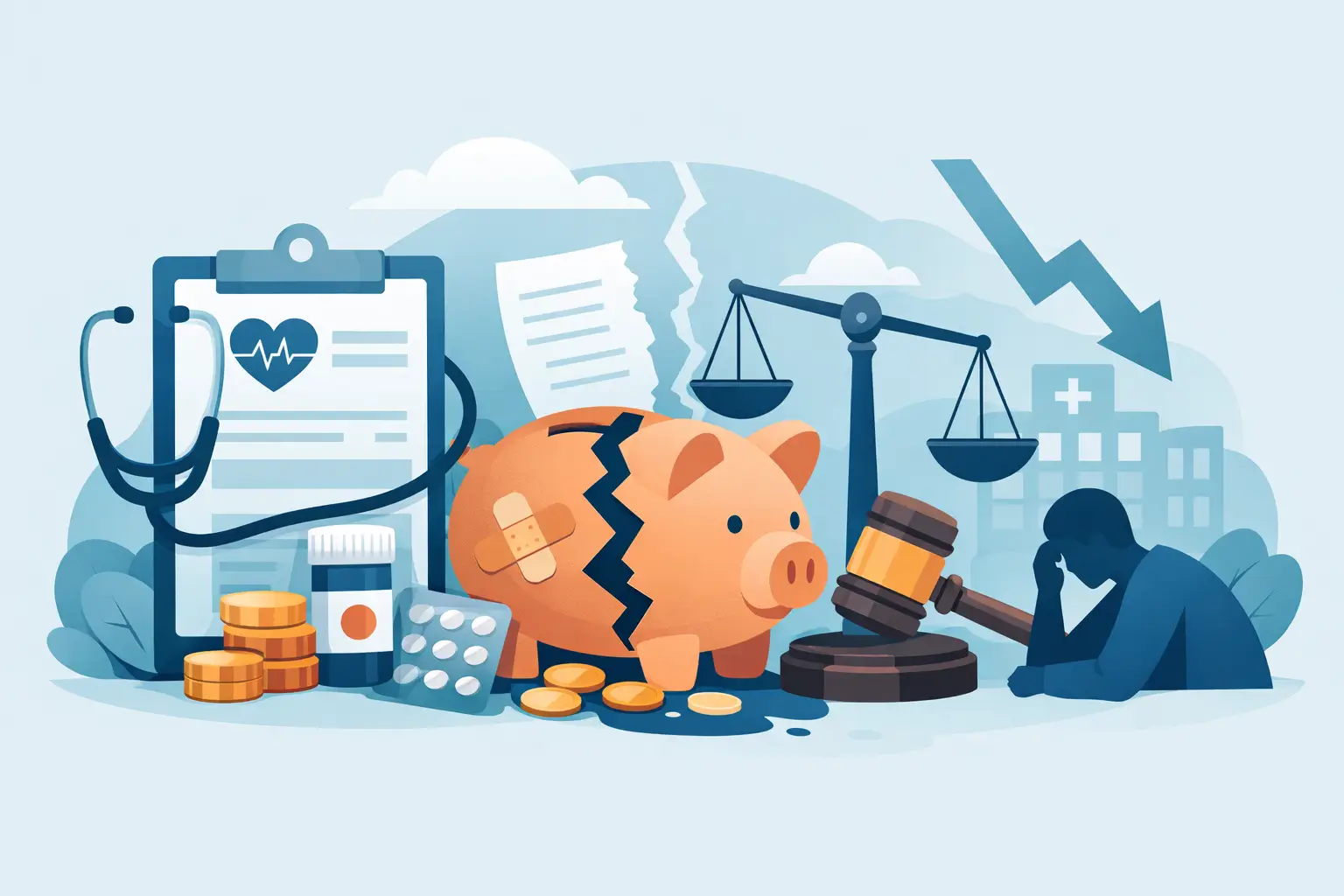
One emergency room visit, one surgery, or one hospital stay can leave a family buried in debt for years. If you are staring at statements you cannot pay and collection calls that will not stop, you need clear answers about medical bills bankruptcy options, not judgment and not guesswork.
Medical debt is one of the most common reasons people in Memphis start looking at bankruptcy. It often shows up after a health crisis, job interruption, or loss of insurance, and it rarely stays contained. A hospital bill turns into a collection account. Then credit cards get used to cover prescriptions, gas, rent, or groceries while income is down. Before long, the problem is not just medical debt. It is a full financial breakdown.
The good news is that medical debt is usually unsecured debt. That matters because unsecured debt is often dischargeable in bankruptcy. In plain terms, many people can legally eliminate medical bills through Chapter 7 or repay only part of what they owe through Chapter 13 while getting protection from creditors.
Understanding medical bills bankruptcy options
When people ask about medical bills bankruptcy options, they are usually really asking three things. Can this debt be wiped out? Will creditors stop calling? And which chapter makes the most sense for my situation?
For most consumers, the answer comes down to Chapter 7 or Chapter 13. Both can help with medical debt, but they work differently.
Chapter 7 is designed to eliminate qualifying unsecured debts. Medical bills, old utility bills, personal loans, and credit card balances often fall into that category. If you qualify for Chapter 7, you may be able to discharge your medical debt relatively quickly. This is often the best fit for people with limited income, little ability to catch up, and no realistic path to paying those bills off.
Chapter 13 works differently. Instead of wiping out debt right away, it puts you into a court-approved repayment plan, usually lasting three to five years. During that time, you make one monthly payment based on what you can afford. Some unsecured creditors may receive only a fraction of what is owed, and the remaining dischargeable balance may be eliminated at the end of the plan.
That difference matters. If medical debt is your only problem and you qualify, Chapter 7 may offer the faster and simpler path. But if you are also behind on your mortgage, car payment, or taxes, Chapter 13 may solve more than one problem at once.
When Chapter 7 makes sense for medical debt
Chapter 7 is often the strongest option when medical bills have become impossible and there is no practical way to pay them. If your income dropped after illness, if you missed work, or if you have been using one debt to pay another, Chapter 7 may offer real relief.
In many cases, the key issue is qualification. Chapter 7 has income rules, and eligibility depends on the means test and other factors. That does not mean you should assume you make too much or too little. Plenty of people are surprised to learn they qualify.
A Chapter 7 filing can stop collection activity through the automatic stay. That means calls, letters, lawsuits, and many garnishment actions may be halted once the case is filed. For someone getting hit from every direction, that breathing room matters just as much as the discharge itself.
There are trade-offs. Chapter 7 is not built to help you catch up on missed mortgage payments or spread out car arrears over time. It also requires a careful review of assets and exemptions. In Tennessee, whether property is protected depends on the facts. That is why a real case evaluation matters. Bankruptcy is not one-size-fits-all, even when the debt started with hospital bills.
When Chapter 13 is the better option
Some people hear that medical debt can be discharged and assume Chapter 7 is automatically the right move. Not always.
Chapter 13 may be the better choice if medical bills are only part of the problem. If you are facing foreclosure, behind on a car note, trying to stop repossession, or dealing with debts that need time and structure, Chapter 13 can do something Chapter 7 cannot. It gives you a plan.
That plan can let you catch up on secured debts over time while protecting you from collection pressure. Medical creditors become part of the broader case, and unsecured debt often gets paid based on what your budget actually allows, not on what creditors demand.
This is where experience matters. A Chapter 13 case is not just a form. It is a strategy. The right plan can protect a home, stabilize a family budget, and deal with medical debt in a way that is realistic. The wrong plan can fail. People under financial pressure need straight answers about what payment is workable and what legal result they can expect.
What bankruptcy can and cannot do with medical bills
Bankruptcy can be powerful, but people deserve an honest picture.
It can usually eliminate qualifying medical debt in Chapter 7. It can stop most collection efforts as soon as a case is filed. It can often stop wage garnishment tied to collection judgments. It can also give you a structured way to handle debt in Chapter 13 while preventing creditors from taking independent action.
What it cannot do is erase every financial consequence overnight. If you used credit cards to cover medical costs, those balances may be part of the case too, which can be helpful, but the overall filing still needs to be planned carefully. Bankruptcy also does not remove every kind of debt in every case. Taxes, student loans, domestic support obligations, and certain other debts follow different rules.
It also does not make sense to wait until a lawsuit is filed if you already know the debt is unpayable. People often delay because they hope they can fix it on their own. Sometimes they can. But if minimum payments are going nowhere and collectors are getting more aggressive, delay usually makes the damage worse.
How to decide between medical bills bankruptcy options
The right chapter depends on more than the amount of your hospital debt. It depends on your income, assets, family size, missed payments, and what else is happening financially.
If you have mostly unsecured debt and little disposable income, Chapter 7 may be the cleanest solution. If you are trying to save a house from foreclosure, keep a vehicle, or reorganize multiple debt problems at once, Chapter 13 may be the better answer.
This is also where local practice matters. Bankruptcy is federal law, but cases move through local courts, trustees, and procedures. Someone filing in the Western District of Tennessee needs advice grounded in what actually happens here, not generic internet content written for everyone and no one.
That is why many people benefit from sitting down with a Memphis bankruptcy lawyer before they make assumptions. A short conversation can answer the question people struggle with most: is bankruptcy an overreaction, or is it the tool that finally stops the bleeding?
Common fears about filing over medical debt
A lot of good people hesitate because they feel embarrassed. They should not. Medical debt is not a sign of irresponsibility. It is often the result of illness, injury, bad timing, insurance gaps, or an income loss no family could fully absorb.
Another common fear is credit damage. In reality, many people considering bankruptcy already have damaged credit because they fell behind, accounts went to collections, or lawsuits were filed. Bankruptcy is not good for credit, but neither is staying trapped in debt you cannot pay. For many clients, the more important issue is whether they can recover financially, sleep at night, and protect what matters now.
People also worry that filing means they failed. That is not how the law sees it, and it should not be how you see it. Bankruptcy exists because life can turn fast. When debt becomes unmanageable, the law gives honest people a legal way to reset.
At Arthur Ray Law Offices, we have spent decades helping people look at the facts instead of the fear. That means reviewing income, property, collection pressure, and debt type, then matching the person to the chapter that actually fits.
Don’t let medical debt decide your future
If medical bills are draining your paycheck, pushing other accounts behind, or making every day feel like damage control, the question is not whether the debt is serious enough. The question is whether there is a legal solution that can stop it before it spreads further.
For many people, there is. Medical debt is often exactly the kind of debt bankruptcy was designed to address. The best next step is not more panic, and it is not another promise to somehow catch up next month. It is getting clear advice based on your real numbers, your real risks, and your real options. Relief starts when the problem is finally put in the right hands.
Written and legally reviewed by:


We are a debt relief agency. Our Bankruptcy Lawyers in Memphis, TN help people file for bankruptcy under the bankruptcy code.
*For those who qualify under federal law.