
Top Signs Bankruptcy May Help You
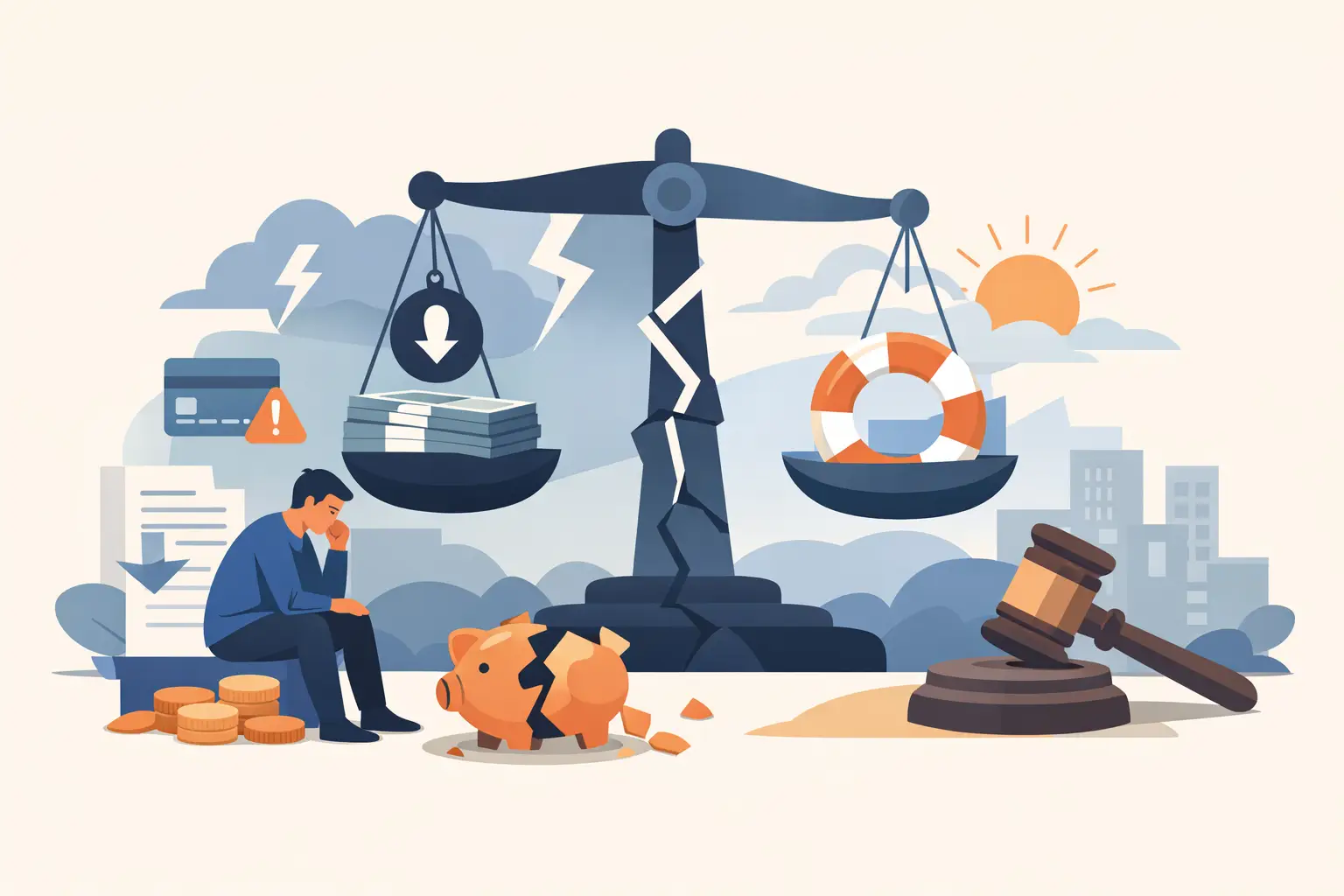
The warning signs usually show up before people say the word bankruptcy out loud. It might be a paycheck hit by garnishment, a foreclosure notice on the door, a car lender threatening repossession, or credit card balances that never seem to move no matter how hard you try. If you are searching for the top signs bankruptcy may help, you are probably not looking for theory. You want to know whether there is a real legal solution that can stop the pressure and give you room to breathe.
For many people in Memphis, bankruptcy is not a last resort in the dramatic sense people imagine. It is a legal tool designed to stop collection activity, deal with debt in an organized way, and protect people who have simply run out of workable options. The key is recognizing when the problem is no longer temporary and when continuing to struggle is costing you more than taking action.
Top signs bankruptcy may help right now
One of the clearest signs is that your debt keeps growing even though you are making an honest effort. If you are paying minimum balances, borrowing from one account to cover another, or using payday loans to bridge basic bills, you are not solving the problem. You are feeding it. When interest, penalties, and rollover fees outpace what you can pay each month, the math is working against you.
Another major sign is that collectors are no longer just calling. They are suing, garnishing wages, freezing your bank account, or threatening to take property. At that stage, debt has moved from stressful to dangerous. Bankruptcy can trigger an automatic stay that stops many collection actions immediately, which is often the first real relief a person has felt in months.
You should also pay attention if you are falling behind on necessities to keep up with old debt. When rent, mortgage payments, utilities, food, or car payments are being sacrificed to pay credit cards or medical bills, your budget has already broken down. Unsecured debts should not force your family into a deeper crisis.
A fourth sign is emotional but very real. If debt stress is affecting your sleep, your marriage, your work, or your ability to think clearly, that matters. People often wait too long because they think they should be able to fix it alone. But there is nothing noble about letting debt consume your life when the law may offer protection.
When debt is not temporary anymore
A lot of people hit a rough patch and recover. A short-term setback after an illness, job interruption, or divorce does not always mean bankruptcy is necessary. But if six months have passed and you are further behind, not closer to catching up, that is a different situation.
Look at your full picture honestly. If your income is steady but not enough to cover living expenses plus your debt payments, the issue is structural. If your income is irregular and you keep missing due dates, the issue may be stability. If a major event like medical treatment, reduced hours, or separation has permanently changed your finances, the old payment plan may simply no longer fit your life.
This is where people get stuck. They keep hoping for one good month, one tax refund, one overtime stretch, one balance transfer. Sometimes that works. Often it just delays the decision while fees pile up and legal threats get closer.
Foreclosure, garnishment, and repossession are serious signs
If you are behind on your mortgage and the lender has started foreclosure, that is one of the strongest signs you need immediate legal advice. Waiting can remove options. In many cases, Chapter 13 can stop a foreclosure sale and create a structured way to catch up on missed mortgage payments over time. That does not mean every home can be saved, but it often means you have more legal protection than you realize.
Wage garnishment is another bright red flag. Once money starts coming out of your paycheck, your budget can collapse fast. Bankruptcy can often stop garnishment and prevent future collection efforts on dischargeable debts. For working families already stretched thin, that change can be immediate and meaningful.
Car repossession threats also deserve quick attention. In a city where most people need reliable transportation to work, school, and medical appointments, losing a vehicle can create a chain reaction. Bankruptcy may help stop repossession or create a path to deal with the loan arrears, depending on the type of case and timing.
The top signs bankruptcy may help with unsecured debt
Some debts are especially good indicators because they are common, heavy, and often dischargeable. Credit card debt is a big one. If your balances are high, your rates are punishing, and you are relying on cards for groceries or utilities, bankruptcy may provide a more realistic exit than trying to outpay compounding interest.
Medical debt is another frequent reason people file. A health crisis can wipe out savings and leave even insured families with bills they have no chance of paying in full. Bankruptcy exists in part because life happens, and no one should be financially buried forever because they got sick or needed emergency care.
Payday loans and title loans are also strong warning signs. These debts trap people in expensive renewals and aggressive collection tactics. If you keep rolling them over or taking out a new high-interest loan just to close the last one, you are in a cycle that usually gets worse, not better.
When trying harder is not the answer
Many people who would benefit from bankruptcy are the same people who resist it the longest. They are responsible. They have worked hard. They have paid what they could. They do not want to admit they need legal help.
But personal discipline does not beat impossible numbers. If your monthly shortfall is several hundred dollars, no budgeting app is going to fix that. If old debt is eating all of your disposable income, there may be no realistic path to catch up without a legal reset.
That is especially true when you have already tried the common alternatives. Maybe you have cut expenses, picked up extra work, asked creditors for hardship terms, used tax refunds to catch up, or borrowed from family. If those efforts did not solve the problem, that does not mean you failed. It may mean the debt load itself is no longer manageable.
Bankruptcy is not one-size-fits-all
This is where experience matters. Bankruptcy can be powerful, but the right chapter depends on your income, assets, goals, and the types of debt you owe. Chapter 7 is often the faster option for wiping out qualifying unsecured debt. Chapter 13 can be more useful when you need time to catch up on a mortgage, protect certain property, or deal with debts in a court-approved repayment plan.
There are trade-offs. Not every debt goes away. Timing matters. Recent taxes, domestic support obligations, and some other debts are treated differently. Property issues matter too, although many people are surprised to learn how much can be protected under the law. The point is not that bankruptcy fixes everything. The point is that it may solve the part of the problem that is crushing you.
At Arthur Ray Law Offices, this is the conversation people need most – not fear, not guesswork, just a direct look at whether bankruptcy would actually improve their situation.
What to do if these signs sound familiar
If several of these signs fit your life, waiting usually does not make the situation easier. Debt cases tend to become more expensive and more urgent over time. A lawsuit turns into a judgment. Missed mortgage payments turn into foreclosure deadlines. Car trouble turns into repossession risk. Stress turns into exhaustion.
A serious bankruptcy consultation should answer practical questions. Can collection activity be stopped? Can the home or car be protected? Which debts can be discharged? What would payments look like in Chapter 13? What documents are needed? How fast can the case be filed if the pressure is immediate?
You do not need to know every answer before you ask for help. You only need to recognize when the problem has passed the point where wishful thinking is useful. The top signs bankruptcy may help are not abstract legal concepts. They are the real-life signals that your debt is controlling your choices, threatening your income, or putting your home and vehicle at risk.
If that is where you are, the smartest next step is not to panic and it is not to keep juggling bills until something breaks. It is to get clear advice while there is still time to use the law to your advantage.
Written and legally reviewed by:


We are a debt relief agency. Our Bankruptcy Lawyers in Memphis, TN help people file for bankruptcy under the bankruptcy code.
*For those who qualify under federal law.