
7 Best Ways to Stop Garnishment Fast
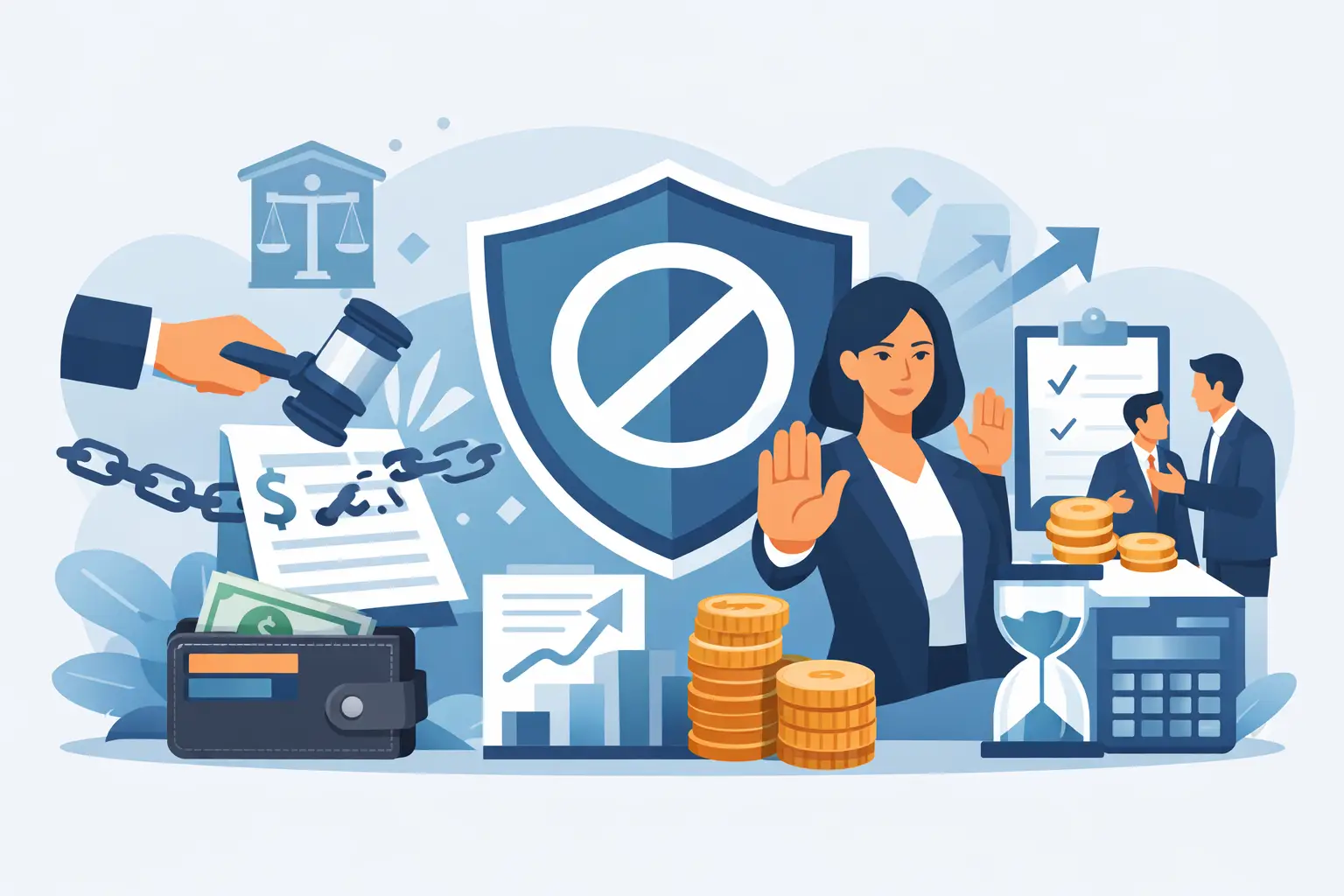
When your paycheck comes up short and you were already stretching every dollar, garnishment stops being a legal term and starts becoming a full-blown emergency. The best ways to stop garnishment depend on who is taking the money, whether a court order is already in place, and how quickly you act – but the sooner you respond, the more options you usually have.
For many people in Memphis, wage garnishment hits after weeks or months of collection calls, lawsuits, and missed payments. Then one day, money is simply gone from the check you need for rent, groceries, gas, or child care. If that is where you are right now, you need practical answers, not legal jargon.
What garnishment really means for your finances
A garnishment allows a creditor or agency to take money directly from your wages or, in some cases, from your bank account. Most private creditors, such as credit card companies or medical bill collectors, usually have to sue you first and get a judgment before garnishing wages. Some debts, like child support, certain taxes, and federal student loans, follow different rules and can move faster.
That distinction matters. The best strategy for stopping garnishment often depends on the type of debt. A credit card judgment is handled differently from IRS collection or child support enforcement. The mistake many people make is assuming every garnishment can be stopped the same way. It cannot.
The best ways to stop garnishment before more money is taken
If your wages are already being garnished, time matters. Every pay period that passes can mean less money for your household. Here are the main legal and practical ways people stop garnishment.
1. File bankruptcy and trigger the automatic stay
In many cases, bankruptcy is the fastest and strongest way to stop wage garnishment. Once a bankruptcy case is filed, the automatic stay goes into effect. That court protection stops most collection activity immediately, including most wage garnishments.
This is often the turning point for people who have tried to keep up with credit cards, medical bills, personal loans, payday loans, or deficiency balances after repossession. If the garnishment is tied to dischargeable consumer debt, bankruptcy can do more than pause the problem. It can eliminate the debt entirely or put it into a manageable repayment plan.
Chapter 7 can work well if you qualify and need a clean break from unsecured debt. Chapter 13 may be a better fit if you are behind on a mortgage, car loan, taxes, or other obligations that need structured repayment. The right chapter depends on your income, assets, goals, and the kinds of debt involved.
There are limits. Bankruptcy does not stop every type of collection forever. Child support and some other domestic support obligations are treated differently. Some tax debts and student loan issues also involve additional rules. But for many working people facing garnishment from ordinary consumer debt, bankruptcy is the most effective option.
2. Challenge the garnishment in court
Sometimes a garnishment can be stopped or reduced because the creditor made a mistake, the amount is wrong, you were not properly served in the original lawsuit, or your income may be exempt. If you ignored the lawsuit because you were overwhelmed, that is common. It also means there may still be legal issues worth reviewing.
A court may allow an objection or motion under certain circumstances, especially if there are procedural defects or exemption claims. This route can be useful, but it is not always quick or simple. You usually need to act fast, follow deadlines closely, and present the right facts.
If the garnishment is based on a default judgment, it may be possible in some cases to ask the court to set aside that judgment. That does not happen automatically, and it depends heavily on the facts. Still, it is a real option that should not be overlooked.
3. Claim an exemption if your income is protected
Not all income can be garnished to the same extent. Federal and state laws protect certain earnings and benefits. Depending on the source of your income, you may be able to claim that some or all of it is exempt from garnishment.
For example, Social Security benefits, disability income, veterans benefits, and other protected funds may receive special treatment. Wage protections also limit how much of your disposable earnings can be taken in many consumer debt cases.
This area gets technical quickly. The problem is not just whether you have an exemption. The problem is using it properly and on time. If protected funds were frozen in a bank account after deposit, the analysis may be different from a straight wage garnishment through payroll.
Can you stop garnishment by working something out?
Sometimes yes. Sometimes no.
4. Negotiate a settlement or payment arrangement
A creditor may agree to stop garnishment if you can offer a lump-sum settlement or a reliable payment plan. This works best when the creditor believes voluntary payment is better than continuing the legal process.
But there is a catch. If your budget is already collapsing, promising payments you cannot keep can make the situation worse. Some creditors will take partial payments and still continue collection unless the agreement is in writing and clearly states the garnishment will be released.
Negotiation can be useful if the debt is limited, your income is stable, and you have access to money from family, savings, or another source. It is usually a weaker option when you are juggling multiple debts, behind on secured loans, or choosing between creditors each month.
5. Attack the judgment before garnishment starts or continues
One of the best ways to stop garnishment is to deal with the lawsuit before it turns into a judgment. If you have just been served with collection papers, do not ignore them. Responding on time may let you challenge the claim, dispute the amount, or create leverage for a better resolution.
Even after judgment, there may still be room to negotiate or ask the court for relief depending on the facts. The earlier you act, the more room you usually have.
When bankruptcy is often the strongest option
People often hesitate because they think bankruptcy is a last resort, or because they assume they need a lot of money upfront to hire a lawyer. In reality, the people who benefit most are often the ones who cannot afford to keep losing wages to creditors.
If you are facing garnishment along with foreclosure threats, repossession, payday loans, medical bills, or credit card debt, that is usually a sign of a larger debt problem. Stopping one garnishment does not fix the rest. Bankruptcy can.
This is especially true if you need immediate relief, have multiple creditors, or know there is no realistic way to pay everything back. A legal remedy that stops collection across the board is often better than playing defense one account at a time.
At Arthur Ray Law Offices, we have seen this for decades. Many clients come in believing they need a trick to stop one garnishment. What they actually need is a legal plan that protects their whole paycheck and gives them room to breathe again.
What to do right now if your wages are being garnished
Start by finding out who is garnishing your wages and what debt is involved. Ask your employer for the garnishment paperwork if you do not already have it. Look for the court case number, creditor name, and total claimed balance.
Then do not wait for the next paycheck to take action. If the debt is from credit cards, medical bills, personal loans, old repossession balances, or similar consumer debt, speak with a bankruptcy attorney right away. If the debt involves child support, taxes, or student loans, you still need legal advice, but the strategy may be different.
Bring every document you have, including lawsuits, payroll notices, collection letters, and a list of your other debts. A good attorney can often tell you quickly whether the garnishment can be stopped, how fast it can happen, and whether a broader debt solution makes more sense.
Shame keeps a lot of good people stuck. Garnishment is not a sign that you failed. It is a sign that a creditor used a legal tool against you. The answer is not panic. The answer is getting in front of the problem before it takes more of the money your family needs.
Written and legally reviewed by:


We are a debt relief agency. Our Bankruptcy Lawyers in Memphis, TN help people file for bankruptcy under the bankruptcy code.
*For those who qualify under federal law.