
Can Chapter 7 for Old Tax Debt Wipe It Out?
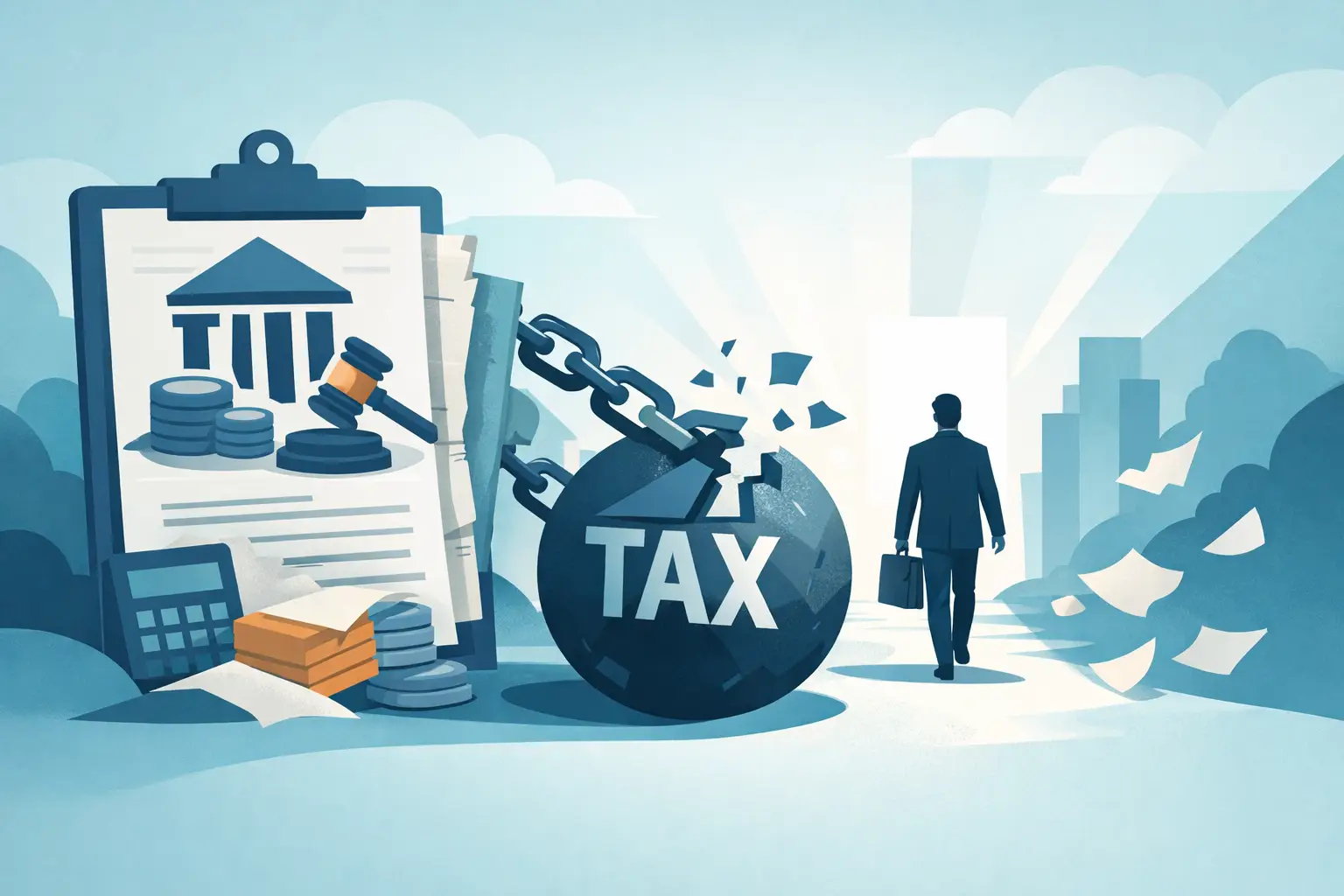
A letter from the IRS can make an old tax bill feel permanent. It is not always permanent. Chapter 7 for old tax debt can eliminate certain income tax liabilities, but only when the tax debt meets strict timing and filing rules. The difference between a dischargeable tax bill and one you still owe can come down to a few dates.
For Memphis families already dealing with credit cards, medical bills, garnishments, or a threatened repossession, that distinction matters. Filing too soon can leave the tax debt in place. Waiting without a plan can give the IRS or another taxing authority more time to collect. A careful review of your tax transcripts and filing history is the right place to start.
When Chapter 7 Can Discharge Old Tax Debt
Chapter 7 is designed to wipe out many unsecured debts. Some older income taxes can be included, but tax debt is not treated like an ordinary credit card balance. Federal bankruptcy law uses several separate tests, and every one of them must be satisfied.
In many cases, the tax debt may be dischargeable when these basic conditions are met:
- The tax return was due at least three years before the bankruptcy case is filed.
- You actually filed the tax return at least two years before filing bankruptcy.
- The IRS assessed the tax at least 240 days before filing.
- The return was not fraudulent, and there was no willful attempt to evade or defeat the tax.
These are often called the 3-year, 2-year, and 240-day rules. They sound simple, but the calendar is not always simple. An extension, a prior bankruptcy case, an offer in compromise, a collection due process hearing, or other events may pause or extend one of the time periods. That is why guessing based on the tax year alone is risky.
For example, a 2019 federal income tax return may appear old enough at first glance. But if it was filed late, assessed later than usual, or affected by a collection event, it may not qualify yet. On the other hand, a tax bill you assumed could never go away may be old enough to discharge now.
The Tax Must Usually Be Income Tax
The rules discussed here generally apply to income tax debt. They do not create a blanket way to erase every kind of tax obligation.
Payroll taxes withheld from employees, trust fund taxes, many sales taxes, and certain other tax obligations are usually not dischargeable in Chapter 7. Tax penalties may be treated differently from the underlying tax, depending on their age and the facts of the case. Tennessee does not impose a broad personal wage income tax, but Tennessee residents can still face federal income tax liabilities and other state or local tax issues that need separate review.
A bankruptcy attorney should identify exactly what kind of tax you owe before recommending Chapter 7. The notice you received may use terms that are confusing, and one tax period can be treated differently from another. You may have three years of tax debt, for example, with one year eligible for discharge and two years that remain due.
Late Returns Can Change the Answer
Many people believe that filing a late return automatically prevents a Chapter 7 discharge. The truth is more complicated. A late-filed return may still qualify in some situations if the two-year rule and other requirements are met. But returns filed after the IRS has already prepared a substitute return or completed certain collection actions can create difficult legal issues.
Do not assume a return counts simply because you sent paperwork to the IRS. Do not assume it does not count simply because you filed late, either. The dates, the type of IRS filing, and the record of assessment all matter.
If you have unfiled tax returns, that problem should be addressed before filing bankruptcy. Bankruptcy courts expect full and accurate tax information. Filing missing returns may be necessary, but it can also start a new waiting period before that particular tax debt becomes dischargeable. A lawyer can help you decide whether Chapter 7 makes sense now or whether a different strategy protects you better.
A Tax Lien May Survive Even When the Debt Is Discharged
This is the part many people do not learn until it is too late: a Chapter 7 discharge can eliminate your personal obligation to pay qualifying old income taxes, but it does not automatically remove a properly filed tax lien.
If the IRS recorded a lien before your bankruptcy, the lien may remain attached to property you owned when you filed. That can include a home, land, or other assets with available value. The IRS may not be able to pursue you personally for the discharged debt, but it may still have rights against property covered by its lien.
The practical effect depends on what you own and how much equity exists. A person with little or no nonexempt property may receive substantial relief from Chapter 7 even if a lien remains. A homeowner with significant equity needs a more detailed analysis. This is not a reason to give up on bankruptcy. It is a reason to get a real case review before making a decision.
Bankruptcy Stops Collection Pressure Right Away
Once a bankruptcy case is filed, the automatic stay generally stops most collection activity. That can stop wage garnishments, bank levies, collection calls, lawsuits, and many other efforts to collect a debt. It can give you room to breathe while the court determines how each debt will be handled.
The stay is powerful, but it is not a magic eraser for every tax issue. The IRS may still send certain legally required notices, and it may have rights involving debts that cannot be discharged or liens that survived the case. If the government is threatening a levy, has already taken money from your wages, or is holding a tax refund, the timing of your filing matters.
A Chapter 7 case can also eliminate qualifying credit card debt, medical bills, payday loan balances, personal loans, and many other unsecured obligations. When old tax debt is only one part of a larger financial crisis, wiping out the debts that are dischargeable can make a payment plan for the remaining tax balance far more manageable.
Should You File Chapter 7 or Chapter 13?
It depends on the age and type of the tax debt, your income, your property, and what other urgent problems you face.
Chapter 7 may be the stronger option when your qualifying income tax debt is old enough to discharge and you need fast relief from unsecured debt. It is often the cleanest path for someone with limited income and little nonexempt property.
Chapter 13 may be more useful when you need to protect a home from foreclosure, catch up on a car payment, pay tax debt over time, or keep assets that could be at risk in Chapter 7. Priority tax debt that cannot be discharged may be paid through a three- to five-year Chapter 13 plan. In the right case, that replaces chaotic collection activity with one court-approved monthly payment.
Neither chapter should be chosen based on a television commercial, a friend’s experience, or the age of a single tax notice. Your complete financial picture matters.
What to Bring to a Tax Debt Review
You do not need to have every answer before speaking with a bankruptcy lawyer. Bring what you have: IRS notices, state or local tax letters, copies of filed returns, records of payment plans, wage garnishment papers, lien notices, and any correspondence about an offer in compromise or audit.
The most useful next step is to obtain tax account transcripts for each year you owe. Those records can show return filing dates, assessment dates, balances, and collection history. They help reveal whether a bankruptcy filing date should be considered now, later, or alongside a Chapter 13 plan.
At Arthur Ray Law Offices, we have spent decades helping Memphis-area clients turn urgent debt problems into clear legal options. There is no judgment in that conversation. Tax trouble happens after layoffs, illness, business setbacks, family emergencies, and years of trying to keep up with bills that no longer fit the paycheck.
Old tax debt deserves a date-by-date review, not a guess. Before you make another payment arrangement or let another collection deadline pass, find out what bankruptcy can actually do for your specific tax years and your future.
Written and legally reviewed by:


We are a debt relief agency. Our Bankruptcy Lawyers in Memphis, TN help people file for bankruptcy under the bankruptcy code.
*For those who qualify under federal law.