
Chapter 7 vs Chapter 13: Which Fits?
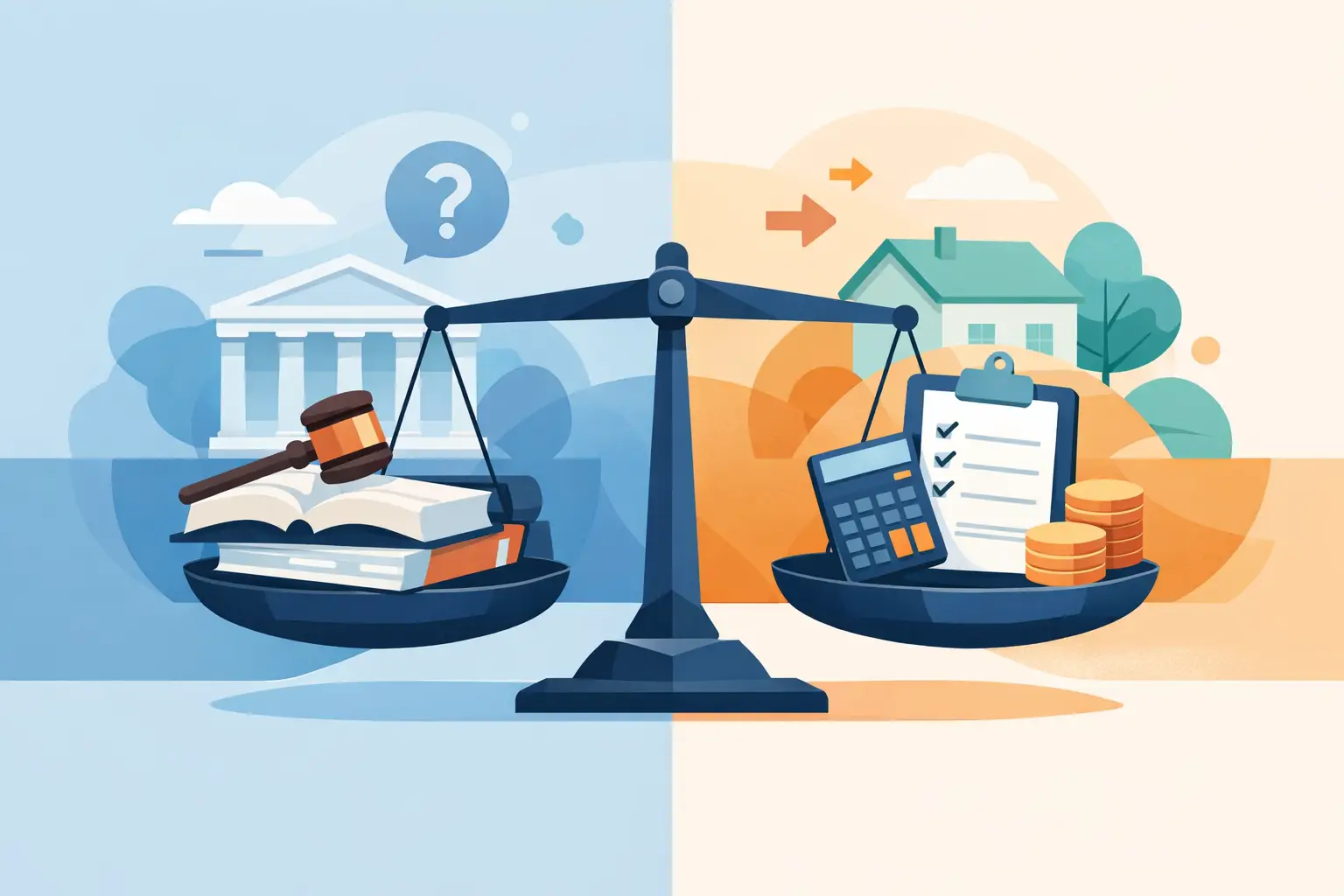
When people call about bankruptcy, they usually are not asking for a law school lecture. They want to know one thing fast – chapter 7 vs chapter 13, which one will actually fix the problem they are facing right now? If your paycheck is being garnished, your house is headed toward foreclosure, or your car is at risk of repossession, that question is not academic. It is urgent.
The truth is that both chapters can provide powerful relief, but they do different jobs. One is often built to wipe out qualifying debt quickly. The other is often built to give you time, protection, and a structured way to catch up. The right choice depends on what you own, what you owe, how steady your income is, and what you need to protect.
Chapter 7 vs Chapter 13: the basic difference
The simplest way to understand chapter 7 vs chapter 13 is this. Chapter 7 is usually about eliminating unsecured debt in a shorter time frame. Chapter 13 is usually about reorganizing debt into a payment plan so you can protect important property and deal with debts that cannot just be erased overnight.
In a Chapter 7 case, many people can discharge credit card balances, medical bills, personal loans, old utility bills, and certain other unsecured debts. For someone who is drowning in bills and has no realistic way to pay them back, Chapter 7 can be a clean reset.
Chapter 13 works differently. Instead of immediate discharge after filing, you enter a court-approved repayment plan that usually lasts three to five years. During that time, you make monthly payments based on your income, expenses, assets, and debt structure. At the end of a successful plan, remaining qualifying unsecured debt may be discharged.
That difference matters because the problem you are trying to solve matters. If you are behind on your mortgage and want to keep your home, Chapter 13 may offer tools Chapter 7 does not. If your main issue is credit card debt and medical debt with no property equity to protect, Chapter 7 may be more efficient.
When Chapter 7 makes more sense
Chapter 7 is often the better fit for people who need fast debt relief and do not have enough disposable income to fund a repayment plan. If you have fallen behind because of job loss, illness, divorce, reduced hours, or rising living costs, Chapter 7 may allow you to wipe out a large amount of unsecured debt and breathe again.
This chapter often works well when the pressure is coming from collection lawsuits, harassing calls, old credit card accounts, personal loans, and medical bills. It can also stop wage garnishments and give immediate protection through the automatic stay once the case is filed.
But Chapter 7 is not a cure for every situation. If you are behind on house payments, Chapter 7 may stop a foreclosure temporarily, but it usually does not give you a long-term mechanism to catch up on missed mortgage payments over time. The same issue can come up with car loans if you are badly behind and need time to recover.
There is also an eligibility analysis. Some filers must pass the means test, which looks at income and other financial factors. And while Tennessee exemption laws may protect much of what a person owns, not every asset is automatically safe in every case. That is one reason a detailed case review matters.
When Chapter 13 may be the stronger option
Chapter 13 is often the chapter that helps people who are under pressure but still have regular income. If you are trying to stop foreclosure, catch up on missed car payments, deal with tax debt, or protect assets that may be at risk in Chapter 7, Chapter 13 may be the better tool.
This is the chapter many homeowners rely on when they need time. Instead of having to come up with all missed mortgage payments at once, Chapter 13 can allow those arrears to be paid back over the life of the plan while current payments continue. That can be the difference between losing a home and saving it.
It can also help with car issues. In some cases, Chapter 13 can stop repossession, help recover a repossessed vehicle if timing allows, and create a manageable path for catching up. For people trapped by payday loans, title loans, and aggressive collection activity, the structure of Chapter 13 can replace chaos with a single court-supervised payment plan.
There are trade-offs. Chapter 13 takes longer. It requires ongoing monthly payments and commitment. If your income is unstable or your budget is already impossible, a Chapter 13 plan has to be built carefully so it has a real chance of success.
How debts are treated in each chapter
A lot of confusion comes from the word bankruptcy itself. People hear it and assume every debt disappears. That is not how it works.
Both chapters can help with unsecured debt, but they do so in different ways. Chapter 7 is often the more direct route for discharging credit cards, medical bills, signature loans, and similar debts. Chapter 13 may pay some of those debts only in part, with the rest discharged at the end if the plan is completed.
Secured debts, like mortgages and car loans, are different because they are tied to property. If you want to keep the property, you usually need a strategy for dealing with the loan itself. That is where Chapter 13 often has an advantage.
Some debts get special treatment in both chapters. Recent taxes, domestic support obligations, student loans in most cases, and certain other debts may not be fully dischargeable. That does not mean bankruptcy cannot help. It means the strategy has to match the debt.
Chapter 7 vs Chapter 13 for foreclosure, garnishment, and repossession
If your biggest problem is a foreclosure sale date, chapter 7 vs chapter 13 becomes a very practical decision. Chapter 7 can stop the sale when filed, but if you are significantly behind and have no way to cure the default, the protection may be short-lived. Chapter 13 is often the stronger option because it can create a path to catch up over time.
For wage garnishments, both chapters can help stop the bleeding quickly. If the garnishment is tied to dischargeable unsecured debt and you qualify, Chapter 7 may resolve the issue faster. If your financial trouble is broader and you need a structured plan to handle multiple debts while keeping property, Chapter 13 may be the better long-term answer.
For repossession, timing matters. If your car is essential for work, school, or family responsibilities, the chapter you choose has to reflect both the urgency and the amount of delinquency. A person who just needs debt wiped out may lean toward Chapter 7. A person who needs to save the car and catch up over time may need Chapter 13.
The role of income, property, and goals
Bankruptcy is not one-size-fits-all. Two people with the same debt amount can need completely different solutions.
If you have little property, low income, and mainly unsecured debt, Chapter 7 often stands out. If you are behind on a mortgage, earning regular wages, and trying to protect a home or vehicle, Chapter 13 may fit better. If you own assets that could create problems in Chapter 7, Chapter 13 may provide a way to keep them while paying creditors through a plan.
Your goals matter just as much as the numbers. Some people want the fastest discharge possible. Others want to stop foreclosure at all costs. Others need to stop garnishments, deal with tax issues, and stabilize their finances over time. The right chapter is the one that addresses the real emergency, not the one that sounds simplest online.
At Arthur Ray Law Offices, this is where experience makes a difference. A real case evaluation should look at your income, your debts, your property, and the pressure you are under right now – not just hand you a generic answer.
Which chapter is better?
Better for what? That is the real question.
Chapter 7 is often better for people who need to eliminate unsecured debt quickly and qualify to file. Chapter 13 is often better for people who need time to catch up, protect a home or car, or manage debts that require a structured payment plan. Neither chapter is automatically better in every case.
What matters is choosing the chapter that solves your problem without creating a new one. If you file Chapter 7 when your real need is to save a home from foreclosure, you may lose valuable time. If you file Chapter 13 when your income cannot support a plan, you may end up frustrated and back under pressure.
The smartest next step is not guessing. It is getting your exact situation reviewed by someone who knows how these cases work in Memphis and can tell you, plainly, what each option would do for you. If debt has reached the point where you are scared to answer the phone or open the mail, you do not need more stress. You need a plan that fits your life and starts working right away.
Written and legally reviewed by:


We are a debt relief agency. Our Bankruptcy Lawyers in Memphis, TN help people file for bankruptcy under the bankruptcy code.
*For those who qualify under federal law.