
Consumer Bankruptcy Process Guide
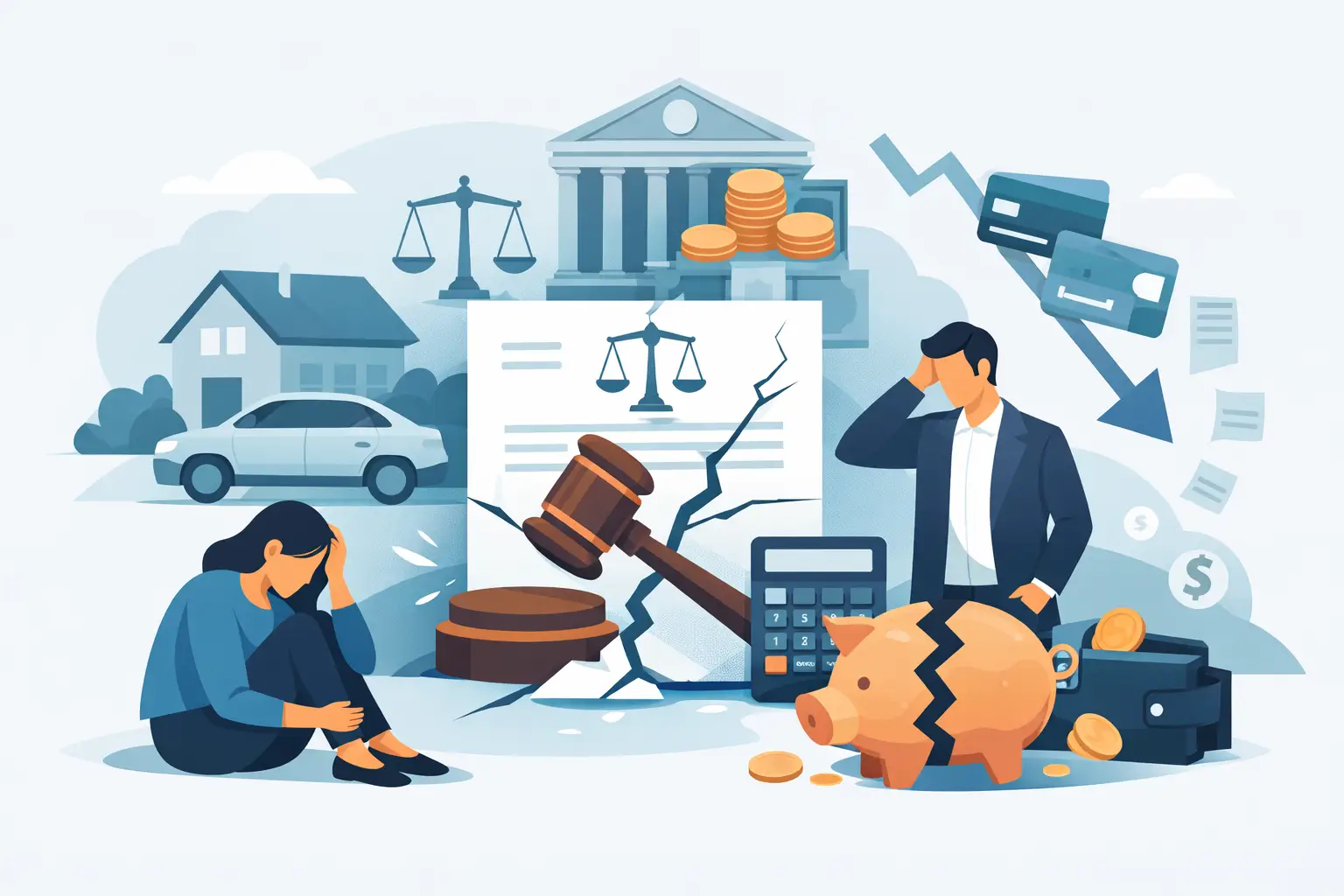
The phone keeps ringing. Your paycheck is short because of a garnishment. The mortgage company is sending default letters. If that sounds familiar, this consumer bankruptcy process guide is for you. Bankruptcy is not a punishment. It is a legal tool that can stop collection pressure, protect what matters most, and give you a real plan to get your finances under control.
For many people in Memphis and Shelby County, the hardest part is not the filing itself. It is the fear of the unknown. People worry they will lose everything, ruin their future, or walk into court unprepared. In reality, most consumer bankruptcy cases follow a clear process. Once you understand the steps, the decision becomes less intimidating and a lot more practical.
What this consumer bankruptcy process guide covers
Most personal bankruptcy cases are filed under Chapter 7 or Chapter 13. Which one fits depends on your income, your property, your goals, and the kind of debt pressure you are facing right now.
Chapter 7 is often used when someone needs fast relief from unsecured debt such as credit cards, medical bills, payday loans, old utility balances, and personal loans. In many cases, it can wipe out those debts and give the filer a fresh start within a matter of months.
Chapter 13 works differently. It is a court-approved repayment plan, usually lasting three to five years. It can be especially useful if you are behind on your mortgage, need to stop a foreclosure, want to catch up on a car loan, or have income that makes Chapter 7 unavailable or less effective.
That is why no honest lawyer should treat bankruptcy like a one-size-fits-all solution. The right chapter depends on what problem needs to be solved first.
Step 1: Review your full financial picture
The process starts before any paperwork is filed. You need a clear picture of your debts, income, assets, expenses, and immediate risks. That includes whether you are facing foreclosure, repossession, wage garnishment, lawsuits, utility shutoff, or nonstop collection calls.
This first review matters because timing matters. If your home is scheduled for foreclosure soon, the goal is speed and protection. If your wages are being garnished, the focus may be stopping that deduction as quickly as possible. If your biggest issue is credit card or medical debt with no major assets at risk, Chapter 7 may be the straightforward answer.
You will usually need to gather pay stubs, tax returns, a list of creditors, bank statements, vehicle information, mortgage statements, and basic household expense information. That may sound like a lot, but it is manageable when handled in an organized way.
Step 2: Decide between Chapter 7 and Chapter 13
This is where legal experience matters. Two people with similar debt totals can end up filing very different cases because their income, property, and goals are different.
In Chapter 7, the main question is whether you qualify and whether your property is protected under available exemptions. Many people are surprised to learn that they can keep essential property while still discharging unsecured debt. But it depends on the value of what you own and how the exemptions apply.
In Chapter 13, the question is whether a repayment plan can realistically solve your problem. If you are behind on house payments but can now afford the regular mortgage plus a catch-up amount through a plan, Chapter 13 can be a powerful foreclosure defense. It can also help if you need time to deal with tax debt, repossession issues, or debts that are not easily discharged in Chapter 7.
The trade-off is simple. Chapter 7 is usually faster and cleaner for debt elimination. Chapter 13 is often better for saving property and catching up over time. Neither is automatically better. It depends on what you need bankruptcy to do.
Step 3: Complete the required pre-filing credit counseling
Before a bankruptcy case can be filed, you must complete a credit counseling course from an approved provider. This is a basic legal requirement in consumer cases. It is usually done online or by phone and does not take long.
This step does not decide whether you should file. It is more of a procedural requirement than a real substitute for legal advice. Still, it has to be completed properly before the case goes in.
Step 4: Prepare and file the bankruptcy petition
This is the formal beginning of your case. The bankruptcy petition includes schedules listing your assets, debts, income, expenses, financial history, and other required disclosures. Accuracy matters here. Sloppy or incomplete paperwork creates delays and can create bigger problems than the debt itself.
Once the case is filed, the automatic stay goes into effect. This is one of the most immediate and powerful parts of bankruptcy law. The automatic stay can stop wage garnishments, collection calls, lawsuits, repossessions, and foreclosure actions. For many people, that moment is the first real breathing room they have had in months.
There are limits and exceptions, and prior filings can affect how strong the stay is. But in many cases, filing creates immediate legal protection when time is running out.
Step 5: Work through the trustee review and 341 meeting
After filing, a trustee is assigned to review the case. You will also attend what is called the 341 meeting, sometimes called the meeting of creditors. Despite the name, most creditors do not show up in ordinary consumer cases.
This meeting is usually short and straightforward. You answer questions under oath about your paperwork, your assets, your income, and your debts. If your case was prepared carefully, this is often more routine than people expect.
Many clients imagine a courtroom battle. That is usually not what happens. In most consumer cases, this step is administrative, not dramatic.
Step 6: Handle chapter-specific requirements
If you filed Chapter 7, the case typically moves toward discharge after the trustee review is complete and no major objections are raised. You also need to complete a second debtor education course before the court can enter a discharge order.
If you filed Chapter 13, you will propose a repayment plan and make plan payments. The court must confirm that plan. During the plan period, you stay under court protection as long as you keep up with required obligations. This structure can be what saves a home, prevents a car loss, or gives someone enough time to regain financial stability.
Chapter 13 requires more patience and discipline than Chapter 7. On the other hand, it can solve problems Chapter 7 cannot fix. That is the trade-off.
What bankruptcy can and cannot do
Bankruptcy is strong, but it is not magic. It can often eliminate unsecured debts such as credit cards, medical bills, signature loans, and many collection accounts. It can stop foreclosure sales, end garnishments, and block further creditor harassment while the case is active.
But some debts are treated differently. Recent taxes, domestic support obligations, many student loans, and debts tied to fraud allegations may not be discharged in the normal way. Secured debts also require careful handling if you want to keep the property attached to the loan.
That is why good legal advice matters so much at the beginning. You do not want false promises. You want a plan built around what bankruptcy can actually accomplish in your case.
Common fears that stop people from filing
A lot of people wait too long because they are embarrassed. Others assume filing means they failed. That is not how the law sees it, and it is not how an experienced bankruptcy lawyer sees it either. Usually, people file because life got expensive, income dropped, interest piled up, or one emergency turned into five.
Another common fear is losing everything. In many consumer cases, that simply does not happen. Bankruptcy exemptions exist to protect necessary property. The details matter, but the old idea that everyone who files loses all their belongings is outdated and wrong.
People also worry about their credit. The truth is more complicated. If you are already behind, being sued, maxed out, or in collections, your credit is likely already suffering. Bankruptcy can be the step that stops the damage and gives you a path to rebuild.
Why local experience makes a difference
Consumer bankruptcy is federal law, but local practice still matters. Procedures, trustee expectations, filing habits, and court experience can shape how smoothly a case moves. A lawyer who regularly works in the Western District of Tennessee Bankruptcy Court knows what problems tend to come up and how to prepare for them before they become obstacles.
That practical advantage matters when your paycheck is being garnished or your house is on the line. You do not need theory. You need action, accurate paperwork, and a filing strategy that fits your situation.
At Arthur Ray Law Offices, that is exactly how we approach these cases – straightforward answers, realistic options, and a focus on getting relief started as quickly as the law allows.
When to act
If you are waiting for the perfect moment, you may wait too long. Bankruptcy works best when it is used before the damage becomes irreversible. Filing before a foreclosure sale, before a repossession goes through, or before more wages are taken can preserve options that disappear if you delay.
The right time is usually when debt has stopped being temporary and started controlling your life. If that is where you are, the process may be far more manageable than you think, and the relief may start sooner than you expected.
A good bankruptcy case does not begin with pressure. It begins with a clear explanation, honest answers, and a plan that gives you room to breathe again.
Written and legally reviewed by:


We are a debt relief agency. Our Bankruptcy Lawyers in Memphis, TN help people file for bankruptcy under the bankruptcy code.
*For those who qualify under federal law.