
How Bankruptcy Stops Garnishment Fast
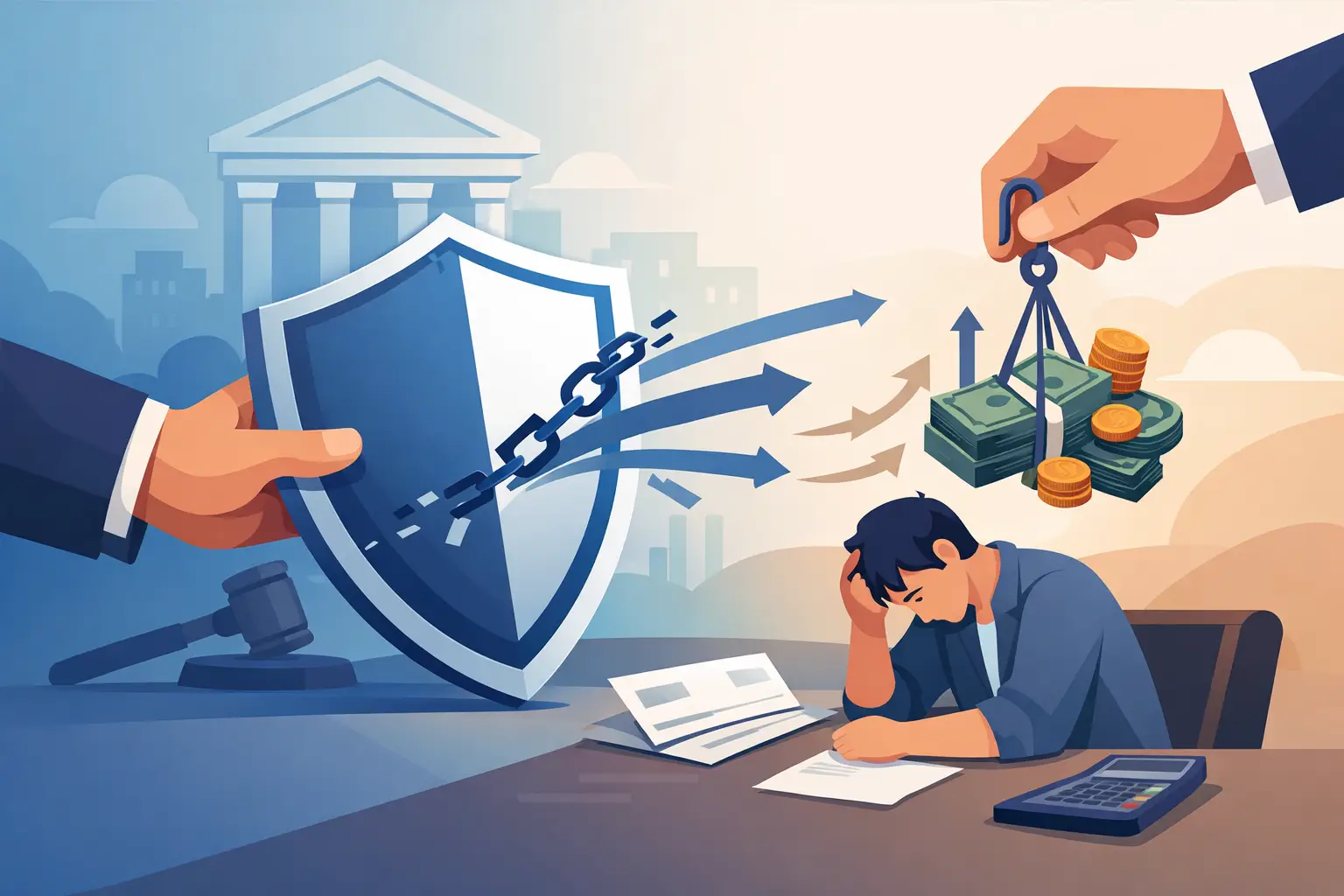
Your paycheck is already spent before it hits your bank account. Rent, groceries, gas, daycare, medicine – then a garnishment takes another cut and leaves you trying to make impossible math work. If you are searching for how bankruptcy stops garnishment, you need a clear answer now, not a lecture. In many cases, bankruptcy can stop a wage garnishment immediately through something called the automatic stay.
How bankruptcy stops garnishment
The moment a bankruptcy case is filed, federal law creates an automatic stay. That stay is a court order that stops most collection activity right away. For many people, that includes wage garnishment, bank levies, lawsuits, collection calls, and other creditor pressure.
This is one of the strongest protections bankruptcy offers. A creditor who was taking money from your paycheck usually has to stop once the case is filed and notice goes out. If your employer has already been processing the garnishment, timing matters. Payroll systems do not always turn on a dime, so one more deduction may still happen depending on when the filing lands in relation to your pay cycle. But the legal protection starts when the case is filed, not weeks later.
That immediate relief is why people often file bankruptcy when they cannot afford to lose another paycheck. A garnishment is not just annoying. It can trigger missed rent, utility shutoff notices, bounced car payments, and a deeper financial spiral.
Why garnishments happen in the first place
Most wage garnishments start after a creditor sues you, wins a judgment, and then gets an order to take part of your wages. Credit card companies, medical bill collectors, personal loan lenders, and other unsecured creditors often use this process when collections have gone on long enough without payment.
In Tennessee, a garnishment can take a painful chunk of your earnings. Once that starts, many people fall behind on everything else. They may try to negotiate, borrow from family, or take out payday loans just to cover basic living costs. That usually makes the problem worse.
Bankruptcy changes the power dynamic because it does not depend on the creditor agreeing to anything. The court protection applies by law.
Chapter 7 and Chapter 13 can both stop garnishment
Both Chapter 7 and Chapter 13 can stop many garnishments through the automatic stay. The better option depends on your income, property, and goals.
Chapter 7
Chapter 7 is often used when someone has overwhelming unsecured debt and needs a faster reset. If the debt behind the garnishment is dischargeable, Chapter 7 may not only stop the garnishment but also wipe out the underlying debt entirely. That means the creditor cannot just start collecting again after the case is over.
This can be a strong fit for people dealing with credit card judgments, medical debt lawsuits, and older unsecured obligations they simply cannot pay.
Chapter 13
Chapter 13 also stops garnishment when the case is filed, but it works differently. Instead of a quick discharge process, you enter a repayment plan approved by the bankruptcy court. This is often useful if you are trying to protect a house from foreclosure, catch up on a car, deal with tax debt, or handle debts that do not fit neatly into Chapter 7.
For some Memphis families, Chapter 13 is the more practical tool because it gives structure and breathing room. It can stop the garnishment while you reorganize what you owe into a payment you can manage.
What kinds of garnishments bankruptcy usually stops
Bankruptcy usually stops garnishments tied to ordinary consumer debts. That often includes credit cards, medical bills, personal loans, repossession balances, old utility balances, and some judgments from collection lawsuits.
If a creditor got a court judgment and started taking your wages, bankruptcy is often the fastest legal way to stop that process. It can also stop related bank account levies in many situations.
But there are important exceptions.
When bankruptcy may not stop a garnishment
This is where honest advice matters. Not every garnishment is treated the same.
Child support and alimony
Bankruptcy does not stop wage withholding for current child support or alimony obligations. Domestic support debts get special protection under the law. If your paycheck is being withheld for support, bankruptcy is not the tool that fixes that problem.
Some tax debts
IRS or state tax garnishments can be more complicated. Bankruptcy may stop some collection activity, but whether the tax debt can be discharged depends on the type of tax, the age of the debt, and whether returns were filed properly. It is very fact-specific.
Student loans
Student loan collections may pause during bankruptcy in some situations, but getting rid of student loans is much harder than discharging credit card or medical debt. If a garnishment is tied to student loans, you need a case-specific review.
Criminal fines and certain government debts
Some government-related obligations and criminal penalties are not handled the same way as regular consumer debt. Again, details matter.
So yes, bankruptcy can be powerful, but the answer is not always one-size-fits-all. The source of the garnishment matters just as much as the amount.
Can you get back money already garnished?
Sometimes, yes. If wages were taken shortly before the bankruptcy filing, there may be a way in some cases to recover part of that money. Whether that is possible depends on timing, the amount taken, the type of bankruptcy filed, and the legal facts of the case.
People are often surprised by this. They assume once the money is gone, it is gone forever. That is not always true. But this is not something to guess about. If your wages have already been garnished, you want a lawyer to review the dates and amounts immediately.
How fast does the garnishment actually stop?
Legally, the protection starts as soon as the bankruptcy is filed. Practically, payroll departments and creditors need notice. If your paycheck is being processed the same day or the next morning, there can be a lag between filing and the employer fully stopping the deduction.
That does not mean bankruptcy failed. It usually means the system was already in motion. The sooner the case is prepared and filed, the better the chance of stopping the next deduction before it happens.
This is why waiting can cost you real money. People often delay because they are embarrassed, overwhelmed, or hoping the creditor will back off. Most do not. Once a garnishment starts, delay usually helps the creditor, not you.
What you need to file to stop a garnishment
You do not stop a garnishment by telling the creditor you plan to file bankruptcy. You stop it by actually filing a bankruptcy case. That means preparing the petition, schedules, income information, creditor list, and the other required documents accurately.
Mistakes can create delays at exactly the wrong time. If your wages are being garnished now, speed matters, but so does doing it correctly. A rushed, incomplete, or inaccurate filing can create new problems.
That is one reason people in Memphis turn to an experienced bankruptcy lawyer instead of trying to patch together forms while under financial pressure. Arthur Ray Law Offices focuses on getting people real relief, not adding more confusion to an already stressful situation.
What happens after the garnishment stops
Stopping the garnishment is the first win, not the last one. After filing, the bigger question is what bankruptcy will do with the debt itself and the rest of your financial situation.
For some people, the goal is to erase unsecured debt and keep future income protected. For others, the emergency is larger than the garnishment. They may also be facing foreclosure, repossession, payday loan pressure, or lawsuits from multiple creditors. Bankruptcy can address several of those problems at once.
That is why a good case review looks beyond one deduction on one paycheck. The right filing strategy should give you a workable path forward, not just a temporary pause.
If your wages are being garnished, timing matters
The worst time to learn your options is after another two or three paychecks have already been stripped down. If the garnishment is from a dischargeable debt, bankruptcy may be the legal stop button you need. If the debt falls into an exception, you need to know that quickly too.
Either way, the answer starts with a real review of your debts, your income, and the source of the garnishment. Good legal advice should make the situation clearer within minutes, not more intimidating.
If your paycheck keeps shrinking and you cannot keep up, there is nothing weak or shameful about using a law designed to protect working people. Relief often starts the day you stop waiting.
Written and legally reviewed by:


We are a debt relief agency. Our Bankruptcy Lawyers in Memphis, TN help people file for bankruptcy under the bankruptcy code.
*For those who qualify under federal law.