
Filing Bankruptcy With No Money in Memphis
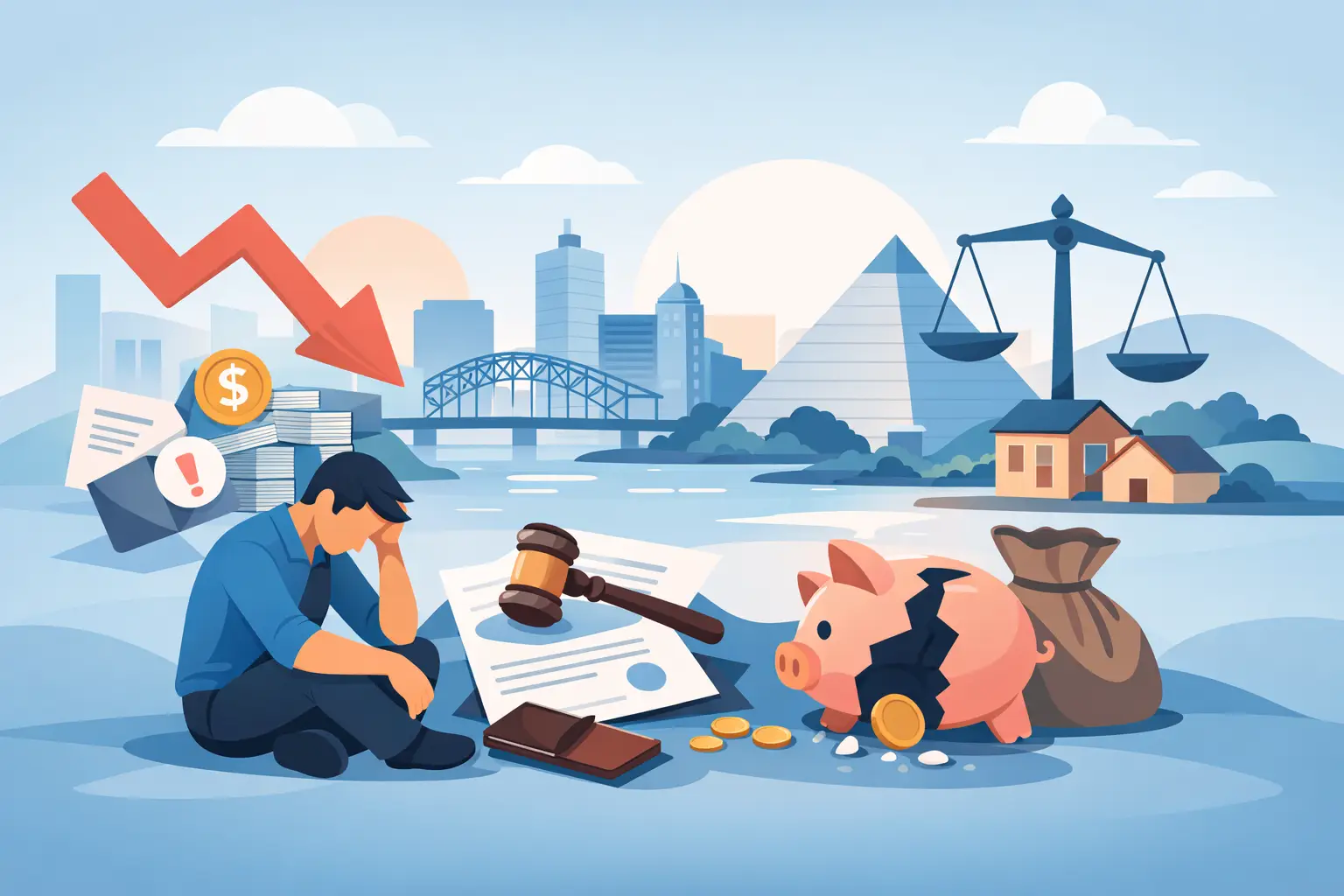
When your paycheck is already gone before it hits the bank, filing bankruptcy with no money can sound impossible. That is exactly where many people are when they finally start looking for help. They are behind on the mortgage, trying to stop a garnishment, dealing with repo threats, or using payday loans to cover groceries. The good news is that being broke does not automatically put bankruptcy out of reach. In many cases, it is the reason bankruptcy exists.
Can you really start filing bankruptcy with no money?
Yes, but the path depends on which type of bankruptcy fits your situation. For some people, Chapter 7 is the fastest way to wipe out credit card balances, medical debt, old utility bills, payday loans, and other unsecured debt. For others, Chapter 13 is the better tool because it can stop foreclosure, catch up mortgage arrears over time, protect a car from repossession, or deal with tax debt and other problems Chapter 7 cannot fix as well.
The hard part is not whether you deserve relief. The hard part is how filing fees and attorney fees get handled when money is already tight. That is where strategy matters.
Why people think bankruptcy is impossible when they are broke
Most people assume you need a large lump sum just to get started. That fear keeps people waiting too long. They drain retirement funds, borrow from family, skip house payments, or let a lawsuit turn into a wage garnishment because they think legal help is only for people who still have cash.
That is not how consumer bankruptcy works in real life. A good bankruptcy lawyer looks at timing, court rules, your income, your assets, and your goals. Sometimes the right answer is to file quickly to stop damage. Sometimes the better answer is to wait a short time, gather documents, and set the case up correctly. The point is this: lack of money is a common part of a bankruptcy case, not a reason to give up.
Chapter 7 when money is gone
Chapter 7 can be a strong option if your income is low enough to qualify and you do not need a repayment plan to save property that is behind. It is designed to eliminate many unsecured debts, and for the right person it can bring fast relief.
But Chapter 7 has one practical issue. Attorney fees are usually paid before the case is filed. Once a Chapter 7 case is filed, the attorney generally cannot collect pre-filing legal fees the same way because those fees become part of the bankruptcy picture. That means people who need Chapter 7 often need a plan for how to cover the filing costs before the case starts.
This is why the timing of a Chapter 7 filing matters. If a creditor is calling every day but no garnishment or foreclosure sale is set yet, a short delay to prepare the case properly may make sense. If a paycheck is already being hit or a sale date is near, the analysis changes.
Chapter 13 may be the better answer if you have no upfront money
For many working people in Memphis, Chapter 13 is the more realistic way to file when cash is short. That is because Chapter 13 often allows attorney fees to be paid through the repayment plan instead of all upfront. In many cases, that means you can get protection from creditors without coming up with a large retainer first.
That matters if you are trying to stop foreclosure, catch up house payments, prevent a repossession, or deal with debts that need structured repayment. Once the case is filed, the automatic stay can stop collection lawsuits, wage garnishments, foreclosure actions, and many other creditor moves.
Chapter 13 is not better for everyone. It lasts longer, requires a monthly plan payment, and depends on having enough income to support that plan. But if your biggest problem is that you need immediate protection and cannot afford heavy upfront fees, it can be the option that gets you in the courthouse door.
What filing bankruptcy with no money usually looks like
In real cases, filing bankruptcy with no money is less about having zero dollars and more about having no extra dollars. You may still be working. You may still be paying rent or trying to keep utilities on. But after basic living expenses, there is nothing left to hand over to collectors.
That is the situation bankruptcy law is built for. The process starts with a close review of your income, debts, assets, lawsuits, collection pressure, and property concerns. From there, the question becomes practical: what kind of case solves the immediate problem, and what fee structure makes that case possible?
Sometimes people are surprised to learn that trying to stay current on everything is what keeps them trapped. They keep paying credit cards they cannot afford because they are afraid of bankruptcy, while falling behind on the mortgage or car note that matters more. A proper legal review can help you stop making panic decisions and start protecting what is actually important.
Costs you should understand upfront
Every bankruptcy case has costs, but they are not always handled the same way. There is a court filing fee. There is also a required credit counseling course before filing and a debtor education course after filing. Attorney fees vary based on the chapter, the complexity of the case, and the issues involved.
The key is not pretending the costs do not exist. The key is understanding how they can be managed. A free consultation can help you find out whether installments, a Chapter 13 payment structure, or careful timing can make the case workable.
If someone promises that bankruptcy is always free, be careful. If someone tells you bankruptcy is impossible because you are broke, be just as careful. The truth is in the middle. Costs are real, but so are legal solutions.
If creditors are moving fast, waiting can cost more than filing
People often delay because they are trying to save up money first. Meanwhile, the foreclosure gets closer, wages keep getting garnished, bank levies hit, or a car is repossessed. At that point, the cost of waiting can be much higher than the cost of getting legal advice.
The automatic stay is one of the most powerful protections in bankruptcy. It can stop many collection actions as soon as the case is filed. That does not fix every issue overnight, and some situations require extra action, but it creates immediate breathing room.
If you are facing a sale date, a garnishment, or a repossession threat, timing is not a small detail. It is the case.
What to gather before you talk to a lawyer
Even if you are short on money, you can still start preparing. Gather your recent pay stubs, tax returns, a list of debts, collection letters, lawsuit papers, mortgage statements, car loan information, and anything showing who is threatening action against you. If your wages are being garnished, bring proof. If foreclosure is pending, bring every notice you have.
That information helps a lawyer tell you whether Chapter 7 or Chapter 13 makes more sense and how quickly you need to act. It also helps avoid mistakes that can slow down a filing when time matters most.
At Arthur Ray Law Offices, many people come in feeling embarrassed because they think they waited too long or do not have enough money to get help. In most cases, what they really need is a clear plan, not a lecture.
The right question is not whether you are broke enough
The right question is whether bankruptcy can solve the problem that is hurting you right now. If the problem is unsecured debt you cannot ever realistically pay, Chapter 7 may be the clean break you need. If the problem is keeping your home, stopping garnishment, or catching up on secured debt, Chapter 13 may be the smarter move.
Either way, do not assume that filing bankruptcy with no money means you have no options. It may simply mean you need the right chapter, the right timing, and a lawyer who knows how to make the process accessible.
Relief usually starts before the case is even filed. It starts the moment you stop guessing and get a real answer about what can be done.
Written and legally reviewed by:


We are a debt relief agency. Our Bankruptcy Lawyers in Memphis, TN help people file for bankruptcy under the bankruptcy code.
*For those who qualify under federal law.