
How to Handle Creditor Summons in Memphis
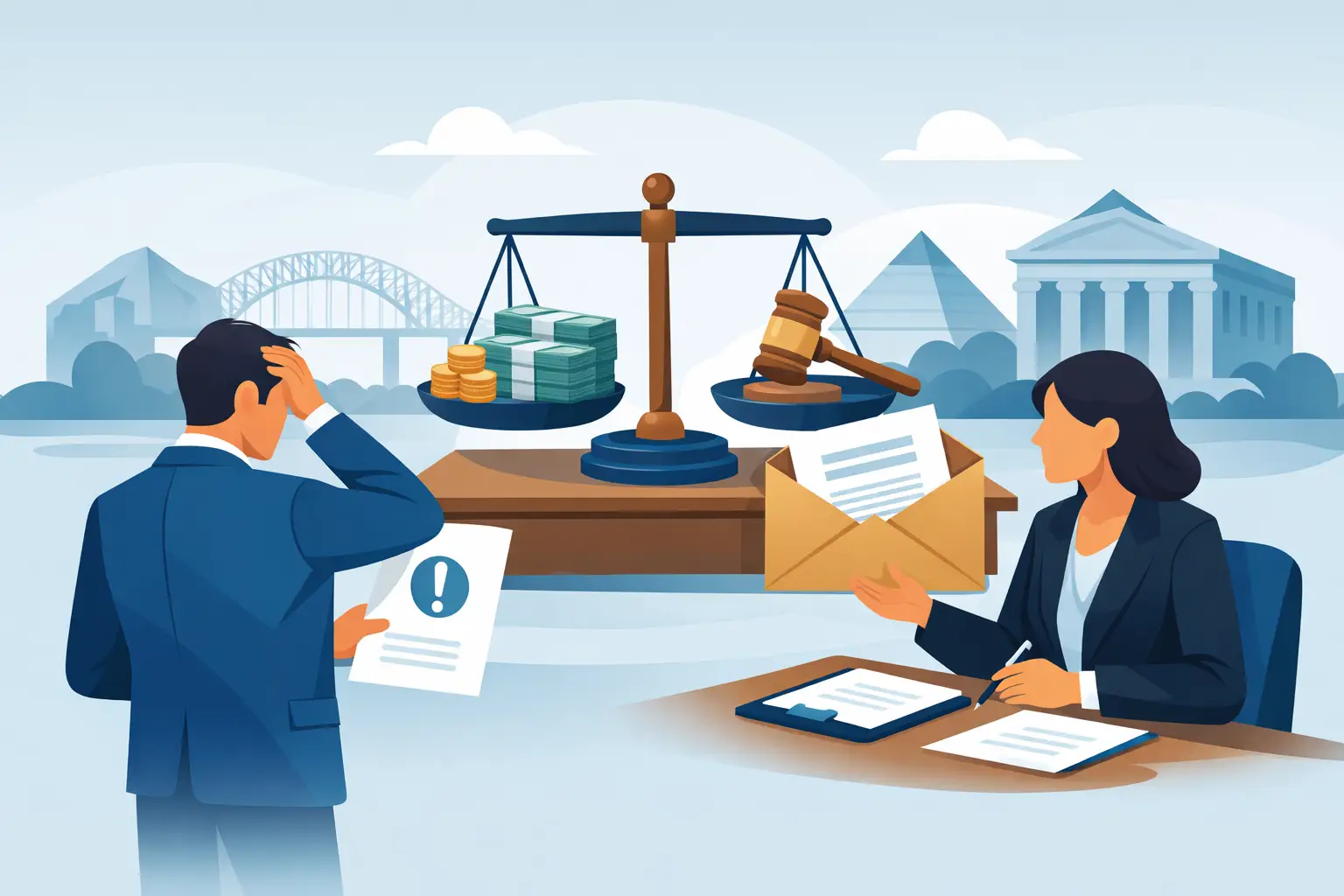
A creditor summons is not another collection letter to set aside until you have time. It means a creditor or debt buyer has filed a lawsuit and is asking a court for a judgment against you. Knowing how to handle creditor summons paperwork promptly can protect your paycheck, bank account, property, and ability to choose the right solution instead of having one forced on you.
For people in Memphis and Shelby County, the first step is simple: do not ignore the papers. A lawsuit does not prove that the creditor is right, that it owns the debt, or that it is entitled to every dollar requested. But failing to respond can allow the creditor to obtain a default judgment without hearing your side.
Read the summons before you do anything else
Set aside the fear for a moment and read every page. The packet usually includes a summons and a complaint. The summons identifies the court, case number, parties, and response deadline. The complaint states what the plaintiff claims you owe and why.
Check who is suing you. The named plaintiff may be your original credit card company, medical provider, lender, or a debt buyer that purchased an old account. That distinction matters. Debt buyers must still prove they have the legal right to sue, that the account is yours, and that the amount they seek is accurate.
Also verify the following information carefully:
- Your name, address, and the court where the case was filed
- The account or loan identified in the complaint
- The amount claimed, including interest, fees, and attorney’s fees
- The date you were served and the deadline to file a response
- Whether a hearing date is already listed
Do not assume a debt is valid because the paperwork looks official. Mistaken identity, incorrect balances, expired claims, missing account records, and improper service can all be relevant. At the same time, do not rely on an informal phone call with a collector. A collector may agree to discuss payment, but that conversation does not automatically stop the court deadline.
How to handle a creditor summons before the deadline
Your deadline is the most urgent detail on the page. Tennessee court procedures and deadlines can vary depending on the court and type of case, so use the date in your summons rather than relying on advice from a friend or an internet post. Missing the deadline can lead to a default judgment.
A judgment can give a creditor stronger collection tools. Depending on the circumstances, it may pursue wage garnishment, bank account levies, judgment liens, or other lawful collection efforts. There are limits and exemptions under the law, but waiting until after a judgment is entered usually makes the situation more difficult and more expensive.
You generally have three paths: defend the lawsuit, negotiate a resolution, or evaluate bankruptcy protection. The best choice depends on the debt, your income, your assets, whether you have other creditors, and how quickly collection pressure is escalating.
File a proper response, not just a phone call
If you intend to contest the lawsuit, you need to respond through the court process. A response may be called an answer or another pleading, depending on the court and the facts. It should address the allegations in the complaint and raise any defenses that may apply.
Do not sign an agreed judgment, payment stipulation, or settlement document until you understand the consequences. Some agreements allow the creditor to obtain a judgment quickly if you miss one payment. A settlement can be sensible when the debt is valid and you can realistically afford the terms. It is not sensible if it leaves you unable to pay rent, utilities, food, transportation, or other essential expenses.
If you have been served, preserve the papers, envelopes, account statements, payment records, and any prior letters. These documents can help an attorney evaluate whether the creditor has adequate proof and whether the lawsuit is part of a larger debt problem.
Do not transfer property or drain accounts to avoid the case
When people panic, they sometimes move money, put a car in someone else’s name, or give property away. Those actions can create serious legal complications. Before taking any step involving property, income, or a bank account, get legal advice based on your full situation.
The goal is not to make a rushed move. The goal is to protect yourself lawfully and make a plan that addresses the entire problem.
When bankruptcy may stop a creditor lawsuit
If the summons is one part of a larger financial crisis, bankruptcy may provide immediate protection. Once a bankruptcy case is filed, the automatic stay generally stops most collection activity, including many pending creditor lawsuits, wage garnishments, bank levies, foreclosure actions, repossession efforts, and collection calls.
That protection is powerful, but bankruptcy should be evaluated with the facts in front of you. Filing a Chapter 7 case may allow qualifying individuals to discharge credit card debt, medical bills, payday loans, personal loans, and other unsecured debts. A Chapter 13 case may allow someone with regular income to catch up on a mortgage, address car arrears, protect property, and repay certain debts through a court-approved plan.
A creditor summons often reveals that a problem has reached the point where a piecemeal solution is no longer enough. If you are being sued by one credit card company but also struggling with medical bills, title loans, other cards, or a wage garnishment, settling one lawsuit may leave every other creditor free to continue collecting. Bankruptcy can address the whole debt picture at once.
There are important exceptions. Certain debts, such as many recent taxes, domestic support obligations, and most student loans, may be treated differently. Some lawsuits may involve issues that require special attention. A bankruptcy attorney should review the summons before you assume that filing will resolve every issue.
What to bring to a bankruptcy consultation
A prompt consultation gives you time to understand your choices before a deadline expires. Bring the summons and complaint, along with any proposed settlement paperwork. It also helps to bring recent pay stubs, a list of monthly expenses, bank statements, tax returns, vehicle and home loan information, and a list of all debts.
Be candid about your finances. A good legal evaluation is not based on one collection account. It considers your household income, dependents, property, lawsuits, garnishments, foreclosure risk, vehicles, and every creditor that is creating pressure. There is no judgment in that conversation. The purpose is to identify the fastest lawful route to relief.
At Arthur Ray Law Offices, we have spent more than 40 years helping Memphis families respond when creditor pressure becomes overwhelming. We understand the Western District of Tennessee Bankruptcy Court and the urgency behind a lawsuit notice. Free consultations and free petition preparation can help remove the financial barrier that keeps many people from getting answers when they need them most.
Common mistakes after receiving a summons
The worst mistake is doing nothing because you cannot afford to pay the full balance. You may not be able to pay the debt, but you still have options. A court summons is a legal deadline, not a final statement about your future.
Another common mistake is paying a creditor with money needed for a secured priority, such as keeping your home, car, utilities, or family stable. Every situation is different, but paying one aggressive creditor can sometimes make a broader debt crisis worse.
People also make the mistake of waiting until a wage garnishment begins before seeking help. By then, a judgment may already be in place. It may still be possible to stop or address garnishment through bankruptcy, but acting when the summons arrives gives you more control and more time to decide.
Finally, do not assume that an old debt cannot be collected or that a creditor has no paperwork simply because the account changed hands. Those may be issues worth reviewing, but they are not reasons to miss your response date.
Take the summons seriously, not personally
Being sued for a debt can feel humiliating, especially when you have worked hard, faced illness, job loss, divorce, rising costs, or a family emergency. A creditor lawsuit is a business action. It does not define your character or mean you have failed.
What matters now is responding before the deadline and getting clear advice about the choices in front of you. With the right action, a summons can become the moment you stop reacting to creditors and start putting your finances back under your control.
Written and legally reviewed by:


We are a debt relief agency. Our Bankruptcy Lawyers in Memphis, TN help people file for bankruptcy under the bankruptcy code.
*For those who qualify under federal law.