
What Happens After Chapter 7?
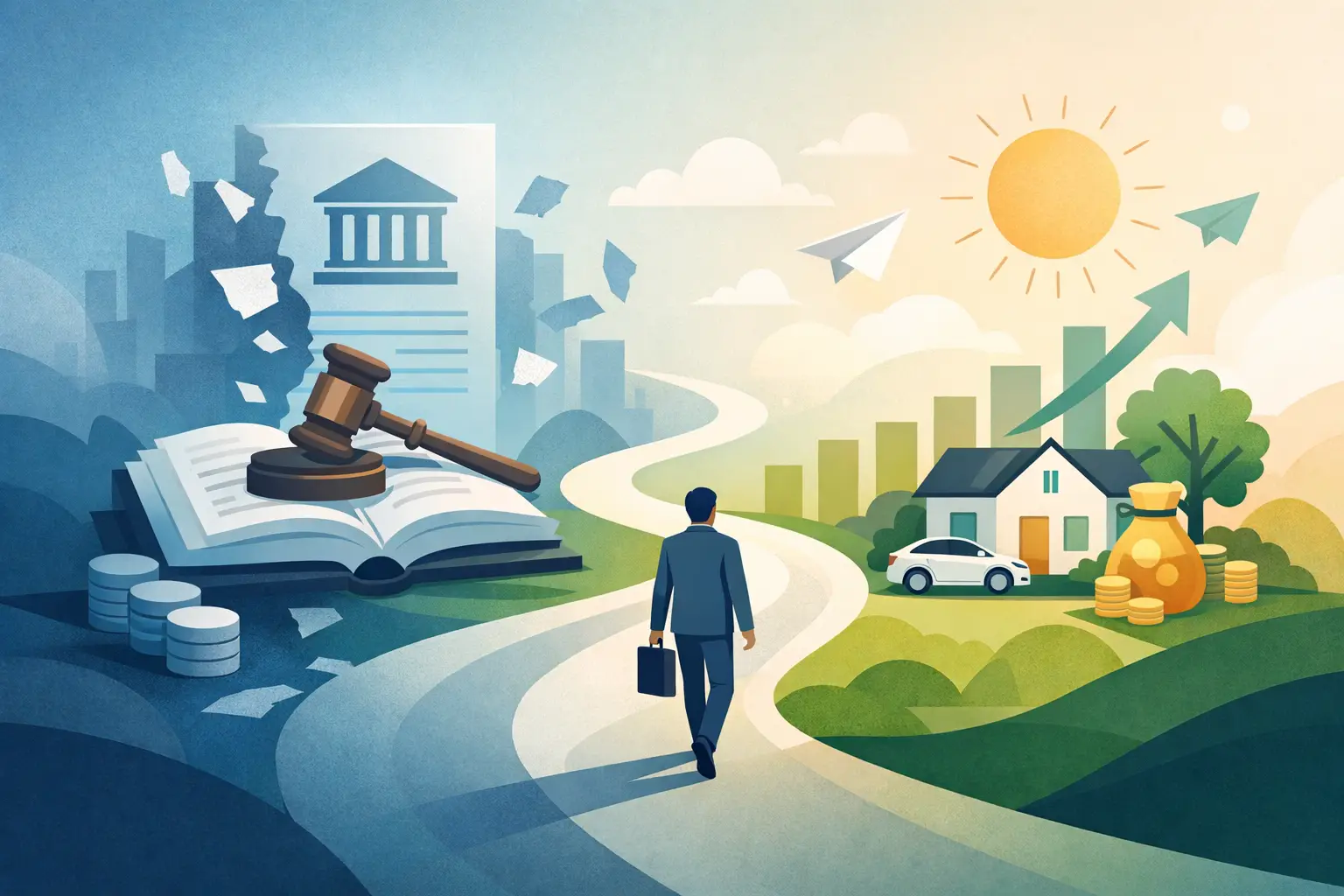
The calls stop. The court sends your discharge order. And then a question hits a lot of people harder than they expected: what happens after chapter 7?
If you are in that spot, you are not alone. Many people spend so much energy getting through the case that they do not have a clear picture of what comes next. The good news is that for most filers, Chapter 7 is the point where the pressure breaks. The case may stay open a little longer for administrative reasons, but the discharge is usually the major turning point.
What happens after Chapter 7 discharge
In most consumer cases, the biggest event is the discharge. That is the court order that wipes out many unsecured debts, such as credit cards, medical bills, personal loans, and old utility balances. Once that order is entered, those discharged debts are no longer legally collectible.
That means a creditor covered by the discharge generally cannot keep calling, sending collection letters, filing lawsuits, or trying to garnish your wages for that debt. If they do, that can create serious legal problems for them. For someone who has been living under constant collection pressure, this is often the first real quiet they have had in months or years.
Still, discharge does not mean every financial issue disappears overnight. Some debts are usually not wiped out, including most recent taxes, child support, alimony, and many student loans unless a separate legal standard is met. If you were behind on a mortgage or car loan and wanted to keep the property, the discharge also does not erase the lender’s lien rights.
Your case may be discharged before it is fully closed
This part confuses people all the time. A case can be discharged but not yet closed.
Why? Because discharge and case closing are not the same thing. Discharge is the court’s order eliminating qualifying debts. Closing is the administrative end of the bankruptcy case. In a simple no-asset Chapter 7, the case often closes not long after discharge. But if the trustee is still reviewing documents, collecting a nonexempt asset, or finishing paperwork, the case can stay open longer.
That does not necessarily mean something is wrong. In many cases, it simply means the trustee has a few remaining tasks to finish.
What happens after Chapter 7 if you kept your car or house
A lot of Memphis-area filers are less worried about credit card debt than they are about keeping a roof over their heads and a car to get to work. That is where the answer depends on the type of property and whether payments are current.
If you kept a house, you generally need to stay current on the mortgage after the case. Chapter 7 can eliminate your personal liability on the loan, but it does not remove the mortgage lien from the property. If you fall behind, the lender can still foreclose.
The same basic rule applies to a car loan. If you kept the vehicle, you usually must keep making payments and maintain insurance if the contract requires it. In some cases, people sign a reaffirmation agreement, which keeps them personally liable on the debt. In other cases, they may keep the car and continue paying without reaffirming, depending on the lender and the facts of the case.
This is one reason experienced legal advice matters. What happens after chapter 7 can look very different if you are trying to keep secured property versus walk away from it.
Your credit report after Chapter 7
A lot of people expect their credit score to collapse forever. That is not how this usually works.
Yes, Chapter 7 appears on your credit report for up to 10 years. But many people who file are already dealing with late payments, charge-offs, collections, judgments, or maxed-out credit cards. In real life, filing can be the first step toward repairing credit because it stops the bleeding.
After discharge, your credit report should show discharged debts with a zero balance and reflect that they were included in bankruptcy. If an old debt still appears as active and collectible, that may need to be disputed or reviewed by your attorney.
Rebuilding credit takes time, but it often starts sooner than people think. Some filers receive credit offers not long after discharge. That does not mean every offer is a good idea. High-interest cards and predatory financing can put you right back under pressure. The better approach is slow, careful rebuilding.
What to do financially after Chapter 7
The first few months after discharge matter. This is when many people either create breathing room or drift back into the same traps.
Start by reviewing your budget with the debt relief in mind. If your unsecured debt is gone, figure out where that money should go now. For some people, it needs to go toward rent, utilities, and groceries. For others, it makes sense to build an emergency fund, catch up on a mortgage, or stabilize car payments.
Check your credit reports. Make sure discharged accounts are being reported properly. Keep copies of your discharge order and final bankruptcy papers in a safe place because lenders, landlords, or even debt buyers may ask questions later.
This is also a good time to be careful about new borrowing. A car loan may be necessary. A small secured credit card may help. But taking on expensive new debt just because someone approves you can undo the relief you fought to get.
Can creditors ever come back after Chapter 7?
For discharged debts, they should not. That is the whole point of the discharge injunction.
But there are a few situations where people think a creditor is violating the discharge when the issue is more complicated. If the debt was not discharged, collection may still be allowed. If the creditor has a valid lien on property, it may still have rights against that property. And if a debt was left off the case in a way that affects dischargeability, the answer may depend on the specific facts.
That is why panic is not the right response if you receive a notice after bankruptcy. Do not assume it is valid, but do not ignore it either. Have it reviewed promptly.
Life after Chapter 7 is often more stable, not more limited
There is a lot of bad information out there about bankruptcy. People are told they will never get credit again, never rent an apartment, never buy a car, and never recover financially. That simply is not true.
Many people are in a stronger position after Chapter 7 because they are no longer trying to survive impossible debt payments. Their paycheck goes to current living expenses instead of old collection accounts. Their stress level drops. Their sleep improves. Their family budget finally starts to make sense again.
That does not mean every problem disappears. If your income is still too low, if you are facing another crisis, or if you kept secured debts that are hard to afford, you may still have difficult decisions ahead. But the ground is usually a lot firmer than it was before filing.
When to ask for help after the case
Even after discharge, legal questions can come up. A creditor may report an account incorrectly. A lender may send confusing paperwork. You may need to know whether a debt was included, whether you can refinance, or what your options are if you fall behind on a mortgage or car loan later.
This is where working with a lawyer who handles bankruptcy every day can make a real difference. At Arthur Ray Law Offices, we have seen just about every version of post-bankruptcy confusion a person can face in the Western District of Tennessee. Usually, the answer is simpler than the client fears.
If you are wondering what happens after chapter 7, the short answer is this: for most people, life gets quieter, lighter, and more manageable. The debt pressure that drove you to file loses its grip. Then the next step is not to look backward at the bills that buried you. It is to protect the fresh start you earned.
Written and legally reviewed by:


We are a debt relief agency. Our Bankruptcy Lawyers in Memphis, TN help people file for bankruptcy under the bankruptcy code.
*For those who qualify under federal law.