
When Should I File Bankruptcy?
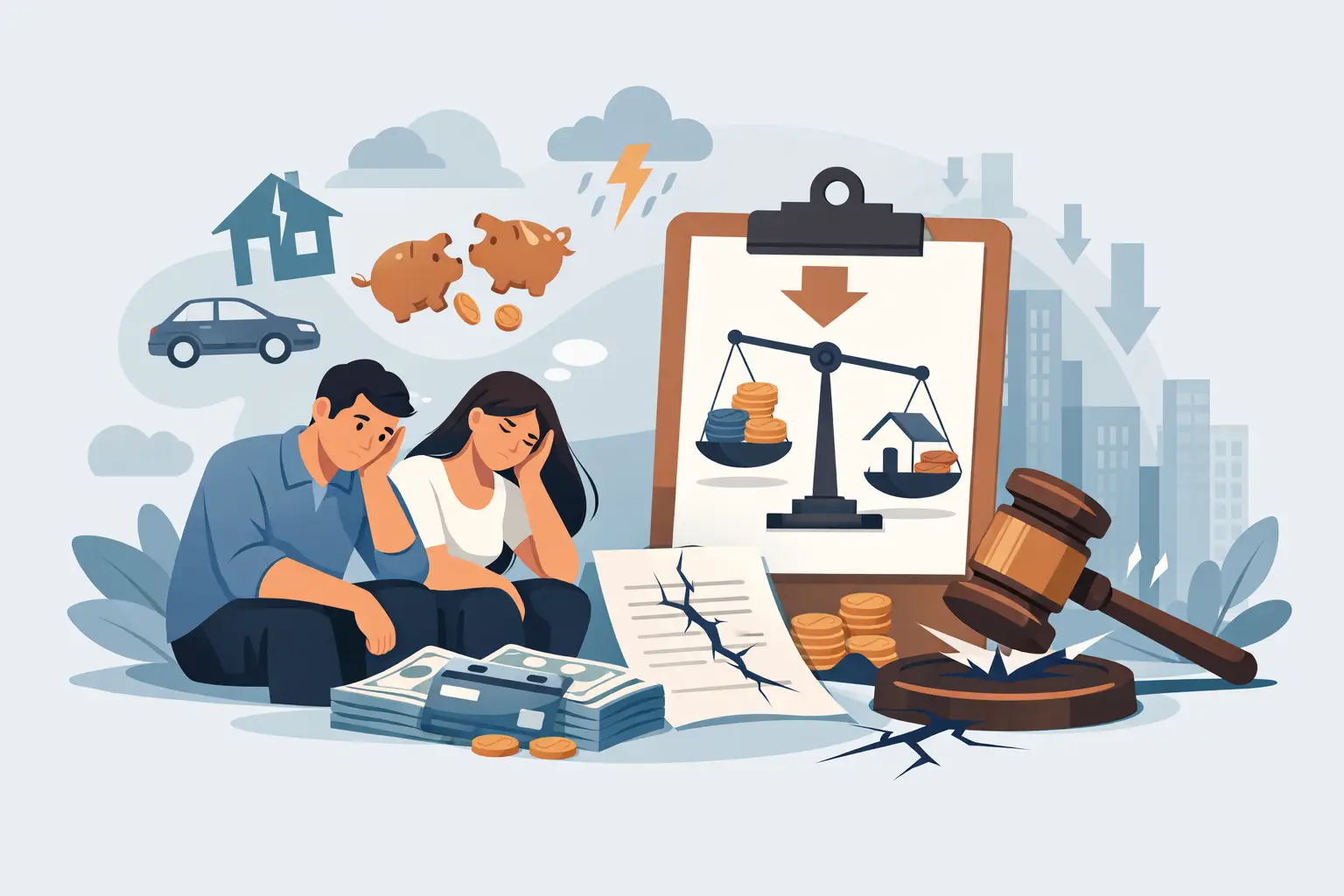
The question is usually not when should I file bankruptcy in some abstract sense. It is when do I stop the bleeding before I lose my paycheck, my car, or my home. If creditors are calling every day, wages are being garnished, foreclosure is getting close, or you are using one debt to pay another, timing matters more than most people realize.
Bankruptcy is not a last-minute trick and it is not a moral failure. It is a legal tool that can stop collection pressure and give you a real path forward. The right time to file depends on what is happening in your life, what kind of debt you have, and whether Chapter 7 or Chapter 13 fits your situation.
When should I file bankruptcy instead of waiting?
A lot of people wait too long because they hope the next paycheck, tax refund, overtime shift, or side job will finally catch them up. Sometimes that works. Often it does not. If your debt keeps growing even though you are trying hard, waiting can make the problem worse.
A good rule is this: if you cannot realistically pay your necessary living expenses and your debt payments at the same time, you should at least speak with a bankruptcy lawyer now. The same is true if you are behind on secured debt like a mortgage or car note, or if a creditor has already taken legal action against you.
Filing earlier can protect more of what you have. Filing too late can mean lost wages, a completed repossession, a foreclosure sale, or drained bank accounts.
Clear signs it may be time to file
Some warning signs are hard to ignore. If one or more of these is happening, bankruptcy may be arriving at the right moment.
You are facing foreclosure
If your mortgage is behind and the lender has started the foreclosure process, time is critical. A bankruptcy filing can stop a foreclosure sale through the automatic stay. In many cases, Chapter 13 gives homeowners the chance to catch up on missed payments over time while keeping the home.
The biggest mistake people make is waiting until the sale date is too close. The earlier you act, the more options you usually have.
Your wages are being garnished
When part of your paycheck is disappearing before you even see it, everyday life gets harder fast. Bankruptcy can stop wage garnishment in many cases. That means timing matters if you need relief now, not months from now.
If you are borrowing money, skipping utilities, or falling behind on rent because of a garnishment, that is a serious sign the debt problem has crossed the line from stressful to unsustainable.
You are behind on your car and worried about repossession
For many Memphis families, a car is not optional. It is how you get to work, take children to school, and manage daily life. If repossession is coming, bankruptcy may help stop it or create a way to catch up depending on the chapter you file and the timing.
Once a car is gone, the situation gets harder. Acting before the tow truck shows up usually gives you more control.
Credit cards, medical bills, payday loans, or title loans keep rolling over
Unsecured debt often starts as a temporary problem and turns into a permanent burden. If your balances keep growing, minimum payments are getting you nowhere, or you are trapped in payday or title loan renewals, bankruptcy may offer a cleaner solution than years of struggling.
This is especially true if you are using retirement funds, new credit cards, or loans from friends and family just to stay current on old bills.
You are being sued or judgments have been entered
A lawsuit means the collection process has become more aggressive. A judgment can lead to garnishment, bank levies, and more pressure. If court papers have arrived, do not assume you still have plenty of time. This is often the point where bankruptcy becomes less of a future option and more of an immediate defense.
When waiting might make sense
Not every debt problem means file today. Sometimes a short delay is reasonable if it serves a clear legal or financial purpose.
For example, timing can matter if you are about to receive a tax refund, bonus, or other asset that may affect your case. It can also matter if you recently used credit cards, transferred property, repaid relatives, or took out certain loans. In those situations, a lawyer may recommend waiting long enough to avoid unnecessary complications.
But waiting should be strategic, not hopeful. There is a difference between preparing carefully and simply putting off a decision because bankruptcy feels uncomfortable.
Chapter 7 vs. Chapter 13 and why timing changes
The answer to when should I file bankruptcy also depends on which chapter may help you most.
Chapter 7
Chapter 7 is often the faster option for wiping out unsecured debt like credit cards, medical bills, personal loans, and many old judgments. If you qualify, it can bring relief relatively quickly.
For someone with overwhelming unsecured debt and little ability to catch up through monthly payments, filing sooner may stop the cycle before more damage is done. But if there are timing issues involving recent income, asset changes, or debt activity, a short delay may be smarter.
Chapter 13
Chapter 13 is often the better fit when you need time to catch up on mortgage arrears, car payments, or certain tax debts. It can also help people who make too much to qualify for Chapter 7 or who need a structured plan to protect property.
If foreclosure is pending or you need to stop repossession and create a repayment plan, Chapter 13 timing is especially important. Waiting too long can narrow your options. Filing before the problem turns irreversible is usually the stronger move.
Emotional signs matter too
People focus on bills and court notices, but there is another test that matters. Are your debts controlling your decisions every day?
If you are losing sleep, avoiding the mailbox, screening every call, arguing with your spouse about money, or feeling ashamed because you cannot keep up, that pressure has a cost. Bankruptcy exists to relieve financial distress. You do not have to wait until everything collapses to deserve help.
Many clients are surprised to learn they should have asked questions months earlier. Not because they did something wrong, but because they believed they had to suffer longer before they had earned a solution.
What to do before you decide
Before filing, get clear answers about your actual options. That means reviewing your income, assets, debts, recent financial activity, and immediate threats like foreclosure or garnishment. The goal is not to push you into a filing. The goal is to know whether bankruptcy solves the problem better than any realistic alternative.
A good consultation should tell you what chapter fits, what debts can be discharged, what property can be protected, how soon action is needed, and what the likely outcome looks like in the Western District of Tennessee. Experience matters here because timing mistakes can be costly, while smart timing can make the process far smoother.
At Arthur Ray Law Offices, that kind of practical review is exactly how people stop guessing and start making decisions from a position of strength.
The wrong time to file
There are a few situations where filing blindly can create problems. If you are planning to run up credit cards before filing, transfer assets to someone else, hide property, or repay family members ahead of other creditors, stop and get legal advice first. Bankruptcy works best when it is handled honestly and strategically.
It is also worth reviewing whether a major life change is about to happen, such as a job loss, divorce, lawsuit settlement, or inheritance. Those events do not always mean you should wait, but they can affect the best filing date.
The right question is not whether your situation is bad enough. It is whether filing now would protect you better than filing later. If the pressure is rising and your options are shrinking, that answer often becomes clear faster than people expect.
You do not need to have every detail figured out before you ask for help. Sometimes the smartest move is simply getting the timeline right before the next creditor action makes the decision for you.
Written and legally reviewed by:


We are a debt relief agency. Our Bankruptcy Lawyers in Memphis, TN help people file for bankruptcy under the bankruptcy code.
*For those who qualify under federal law.