
Bankruptcy After Failed Debt Consolidation Options
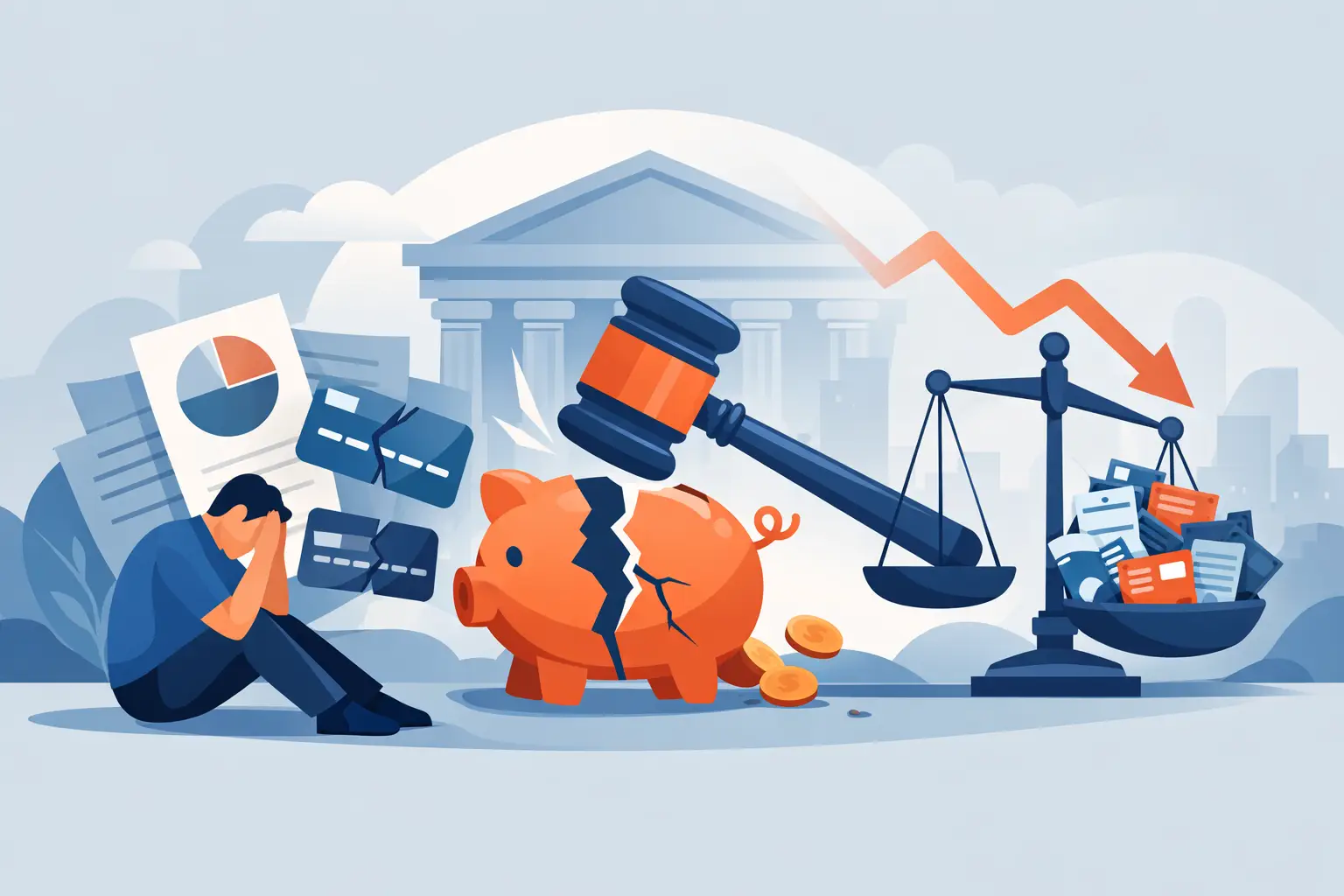
A debt consolidation plan can feel like the responsible choice: one payment, a lower interest rate, and a promise that the pressure will finally ease. But when the payment is still too high, a lender will not approve you, or new debt keeps filling the gap, the plan can make an already difficult situation worse. Bankruptcy after failed debt consolidation is not a personal failure. For many Memphis families, it is the legal solution that finally stops the calls, garnishments, foreclosure threats, and impossible monthly payments.
The key is not to wait until every account is in default. The earlier you understand your options, the more choices you may have to protect your paycheck, vehicle, home, and peace of mind.
Why Debt Consolidation Plans Fail
Debt consolidation only works when the underlying budget can support the new payment. A lower interest rate does not solve a cash-flow problem caused by job loss, reduced hours, medical issues, divorce, unexpected home repairs, or rising everyday costs.
Some people use a consolidation loan to pay off credit cards, then rely on those cards again when there is not enough money left for groceries, utilities, or car repairs. Others enroll in debt settlement programs that tell them to stop paying creditors while money is saved for settlements. During that time, late fees and interest can continue, collection activity may increase, and lawsuits can still happen.
There is also a simple problem many lenders do not advertise: consolidation can turn unsecured debt into secured debt. If you use home equity or a vehicle as collateral to pay credit cards, you may be putting property at risk that was not at risk before. A missed credit card payment is serious. A missed payment on a loan secured by your home can become far more serious.
If your consolidation payment is failing, do not take out another high-interest loan just to buy a few more weeks. Payday loans, title loans, and cash advances often deepen the problem. A clear legal review can show whether bankruptcy offers a more realistic path forward.
When Bankruptcy After Failed Debt Consolidation Makes Sense
Bankruptcy may be worth serious consideration when debt payments consume money needed for necessities, creditors are suing, wages are being garnished, or you are choosing between a car payment and food. It can also make sense when you have already tried to negotiate, consolidate, or settle debt and the balances remain out of reach.
Filing bankruptcy creates an automatic stay in most cases. This is a court order that generally requires creditors to stop collection actions. Depending on the facts of your case, it can stop wage garnishments, collection calls, lawsuits, repossession efforts, and foreclosure proceedings while the case is pending.
The automatic stay is powerful, but it is not a reason to delay. A foreclosure sale, repossession, or bank levy can create timing issues that deserve immediate attention. The facts matter, including prior bankruptcy filings, the type of debt, and where the collection action stands. An experienced local bankruptcy attorney can assess the urgency before a deadline passes.
Chapter 7: A Fresh Start From Unsecured Debt
Chapter 7 is often the right option for people whose income and property situation qualify them. It is designed to eliminate many unsecured debts, including credit card balances, medical bills, personal loans, old utility bills, and certain payday loan obligations.
For a person who has exhausted consolidation options, Chapter 7 can replace years of unaffordable payments with a relatively short court process. Many clients are able to keep exempt property, but no attorney should promise that result without reviewing the complete picture. Your income, assets, vehicle equity, home equity, recent financial transactions, and the exemptions available under Tennessee law all matter.
Chapter 7 does not eliminate every obligation. Child support, alimony, many recent taxes, and most student loans are treated differently. It may also not be the best fit if you are behind on a mortgage or car loan and need time to catch up. In those situations, Chapter 13 may offer stronger protection.
Chapter 13 Can Protect What You Need to Keep
Chapter 13 is a court-supervised repayment plan, usually lasting three to five years. It is often used by homeowners who need to stop foreclosure and catch up on mortgage arrears over time. It can also help people catch up on vehicle payments, address certain tax debts, and organize debt into one affordable plan payment.
A Chapter 13 plan is not the same as a private debt consolidation program. It is backed by the authority of the bankruptcy court. Creditors must follow the plan and cannot simply continue calling, suing, or demanding a different payment outside the case.
For some Memphis families, Chapter 13 is the difference between losing a home and having time to save it. For others, Chapter 7 is the cleaner answer because there is no practical way to repay debt, even on a reduced plan. The right chapter depends on what you earn, what you own, what you need to protect, and what debts are causing the crisis.
What to Do Before You Miss Another Payment
If debt consolidation is breaking down, gather the facts instead of guessing. Bring together your most recent pay stubs, bank statements, tax returns, creditor statements, vehicle loan information, mortgage documents, collection letters, and any lawsuit or garnishment papers. You do not need to have everything perfectly organized before speaking with a bankruptcy lawyer, but these records help identify immediate risks.
Avoid transferring property to relatives, paying back family members ahead of other creditors, or taking cash advances without legal advice. These actions can complicate a bankruptcy case. Also be cautious about withdrawing large amounts of money or using retirement funds to pay dischargeable credit card debt. Retirement savings often receive significant protection, while credit card debt may be discharged.
Most of all, do not ignore court papers. A creditor lawsuit can lead to a judgment, bank levy, or wage garnishment. Bankruptcy may still help after those events begin, but acting sooner usually gives you more room to make decisions.
Will Bankruptcy Ruin Your Credit?
People often stay trapped in failing consolidation plans because they are afraid bankruptcy will destroy their credit. The honest answer is that bankruptcy affects credit, but so do late payments, charge-offs, collections, judgments, and maxed-out cards. If your accounts are already behind, the credit damage may already be happening.
Bankruptcy gives many people a defined point to begin rebuilding. After debt is discharged or placed into a workable Chapter 13 plan, your income is no longer being drained by old unsecured balances. That can make it easier to stay current on housing, utilities, insurance, and future credit obligations.
Credit recovery takes time and responsible choices. It is not instant. But a credit score is not more valuable than your home, your vehicle, your wages, or your ability to sleep at night without fearing the next creditor call.
Get a Local Answer Before the Pressure Gets Worse
Bankruptcy is not right for every financial problem, and no two debt situations are identical. But when a consolidation plan has failed, continuing to send money into a plan that cannot work may only delay the relief you need.
Arthur Ray Law Offices helps people in Memphis and Shelby County evaluate Chapter 7 and Chapter 13 with a practical focus on what needs to be protected now. With more than 40 years of bankruptcy experience in the Western District of Tennessee, Arthur Ray understands the local court process and the urgency behind foreclosure notices, garnishments, repossessions, and aggressive collection demands.
You do not need to carry shame into a bankruptcy consultation. You need accurate information, a clear plan, and an attorney who will explain your options in plain language. If consolidation has failed, the next step is not another desperate loan. It is finding out what legal relief can do for you before creditors make the next move.
Written and legally reviewed by:


We are a debt relief agency. Our Bankruptcy Lawyers in Memphis, TN help people file for bankruptcy under the bankruptcy code.
*For those who qualify under federal law.