
Best Debts for Chapter 7 Bankruptcy
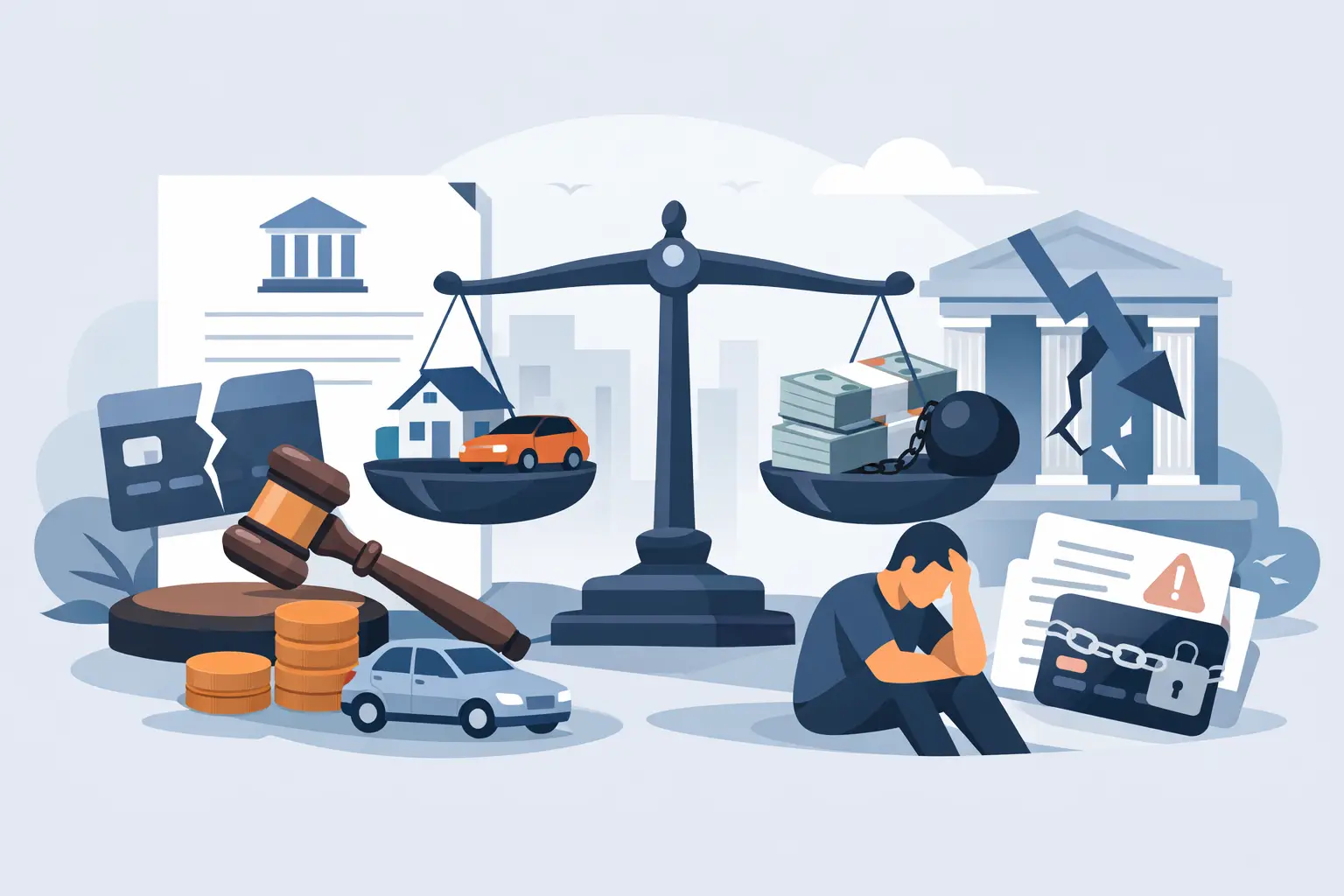
When people ask about the best debts for chapter 7, they are usually asking a very practical question: which bills can bankruptcy actually wipe out fast? That is the right question to ask. Chapter 7 is often most effective when you are buried in unsecured debt, collection calls are getting worse, and you need real relief instead of another payment plan that never solves the problem.
What makes certain debts the best debts for Chapter 7?
The short answer is this: Chapter 7 works best on debts that do not have collateral attached and do not come with special legal protection from discharge. In plain English, that usually means debts like credit cards, medical bills, old utility balances, personal loans, payday loans, and many deficiency balances after repossession or foreclosure.
These debts are often the best fit because Chapter 7 is designed to eliminate many unsecured obligations. If your income qualifies and your case is otherwise straightforward, the process can stop collection activity and permanently erase balances that have been keeping you stuck.
That does not mean every debt is treated the same way. Some debts are easy to discharge. Others may survive bankruptcy unless very specific facts apply. That is why a real case review matters.
Credit card debt is often one of the best debts for Chapter 7
For many people, credit card debt is the clearest reason to file Chapter 7. Credit cards are unsecured. The bank did not take a house or a car as collateral, so there is usually nothing to surrender in order to eliminate the balance.
This matters because credit card debt tends to grow fast. High interest rates, late fees, over-limit fees, and penalty APRs can turn a manageable balance into a crisis. Once minimum payments become impossible, accounts often charge off, go to collections, or end up in lawsuits.
Chapter 7 can be powerful here because it can wipe out qualifying credit card balances completely. If you are using one card to pay another, taking cash advances to cover groceries, or falling behind across several accounts at once, Chapter 7 may offer a cleaner solution than years of struggling with settlements or consolidation.
There is one important caution. If someone runs up cards right before filing, especially for luxury purchases or cash advances, the creditor may challenge that debt. Timing and intent matter. A lawyer should review recent card activity before a case is filed.
Medical bills are another strong fit
Medical debt is one of the most common reasons people need bankruptcy relief. A hospital stay, surgery, ambulance bill, or ongoing treatment can leave a family owing thousands of dollars even if they had insurance.
Medical debts are usually unsecured and are often dischargeable in Chapter 7. That makes them one of the best debts for chapter 7, especially when the bills came from something outside your control. You did not plan to get hurt. You did not budget for an emergency room visit. But the collection pressure still shows up just the same.
What makes medical debt especially frustrating is that it often comes in layers. You may owe the hospital, the emergency physician, the anesthesiologist, the imaging center, and the collection agency that bought one of the accounts. Chapter 7 can deal with all of those unsecured balances in one case instead of forcing you to fight each one separately.
Personal loans, signature loans, and old finance company debt
If you borrowed money without pledging property, that debt is often dischargeable in Chapter 7. This includes many installment loans, online loans, finance company loans, and borrowed money from banks or lenders based only on your creditworthiness.
These debts are a good fit because they often come with aggressive collection tactics once you default. The lender may call constantly, send threats of suit, or sell the debt to a buyer that becomes even more aggressive. In the right case, Chapter 7 stops that cycle.
The key issue is whether the loan is truly unsecured. If the lender took collateral, like a car title or household goods, the analysis changes. A secured debt can still be part of a Chapter 7 case, but it is not handled the same way as a plain signature loan.
Payday loans and title loan deficiencies
Payday loans can trap people faster than almost any other debt. The loan looks small at first, but the fees pile up, rollovers happen, and soon a short-term cash problem turns into a long-term crisis.
Unsecured payday loans are commonly dischargeable in Chapter 7. For many filers, they are exactly the kind of debt that bankruptcy is meant to address – high pressure, high cost, and nearly impossible to repay while covering regular living expenses.
Title loans are more complicated because the lender usually has a lien on the vehicle. If you are still trying to keep the car, you need a strategy before filing. But if the vehicle has already been repossessed and sold, and the lender says you still owe a remaining balance, that deficiency balance may be unsecured and dischargeable.
That distinction matters. The original title loan is secured by the car. The leftover debt after sale is often not backed by enough value to pay itself and may be treated as unsecured in bankruptcy.
Deficiency balances after repossession or foreclosure
A lot of people do not realize that Chapter 7 may help even after property is already gone. If a car was repossessed and sold for less than what you owed, or a home went through foreclosure and a balance remains, that leftover amount is often called a deficiency.
Deficiency debts are frequently unsecured once the collateral is gone. In many cases, they can be discharged in Chapter 7. That can be a major relief because these balances can be large, and lenders may sue to collect them.
The details matter here. State law, timing, and the status of the foreclosure or repossession can affect the analysis. But in general, old deficiency claims are often among the better debts to address in a Chapter 7 filing.
Old utility bills, lease balances, and collection accounts
Some of the most stressful debts are not the biggest ones. They are the ones that keep showing up everywhere – old electric bills, broken apartment lease balances, gym memberships that turned into collection accounts, bounced checking account fees, and unpaid cell phone bills.
Many of these debts are unsecured and dischargeable. If they have been sold to collection agencies, Chapter 7 can usually still deal with them. That matters because a handful of smaller collection accounts can damage your paycheck, your peace of mind, and your ability to move forward just as much as one large balance.
If a landlord claims property damage or unpaid rent, that debt may also be dischargeable unless there is some fraud issue or unusual court finding attached to it. Again, facts matter, but many lease-related collection balances are exactly the kind of debt Chapter 7 is built to eliminate.
Debts that are usually not the best fit
Not every debt responds well to Chapter 7. Recent taxes, child support, alimony, most student loans, and debts tied to fraud or drunk driving injury claims are often much harder or impossible to discharge.
Secured debts can also be tricky. If you want to keep a home or a vehicle, Chapter 7 does not erase the lien just because it erases your personal obligation on the note. You usually must stay current, reaffirm, redeem, or face the risk of losing the property. That is why someone behind on a mortgage or car payment may need to compare Chapter 7 with Chapter 13 instead of assuming one chapter fits every problem.
When Chapter 7 is the wrong tool even if the debt is dischargeable
This is where experience matters. A debt might be dischargeable, but Chapter 7 may still not be the best option if you are trying to save a house from foreclosure, catch up on a car, protect nonexempt property, or handle tax debt that needs time rather than elimination.
For example, credit card debt may be dischargeable, but if your main emergency is a foreclosure sale next month and you have regular income to catch up through a plan, Chapter 13 may do more for you. The right chapter depends on the full picture, not just the name of the debt.
That is why at Arthur Ray Law Offices, we look at the pressure points first. Are wages being garnished? Is a car at risk? Is a foreclosure date coming? Once those facts are clear, the right bankruptcy strategy usually becomes much easier to see.
The real test: will Chapter 7 give you meaningful relief?
The best debts for Chapter 7 are the ones that make up the largest part of your financial problem and can actually be discharged. If most of what you owe is credit cards, medical debt, payday loans, personal loans, repossession balances, and old collection accounts, Chapter 7 may give you fast and meaningful relief.
If most of what you owe is support, recent taxes, or debt tied to property you are trying to keep while behind on payments, the answer may be different. That does not mean you are out of options. It just means the solution has to match the facts.
The good news is that bankruptcy is not supposed to be confusing forever. Once you know which debts can be wiped out and which ones need a different strategy, the fear usually starts to lift. The next step is not guessing harder. It is getting a clear answer based on your actual debts, your property, and how quickly you need protection.
Written and legally reviewed by:


We are a debt relief agency. Our Bankruptcy Lawyers in Memphis, TN help people file for bankruptcy under the bankruptcy code.
*For those who qualify under federal law.